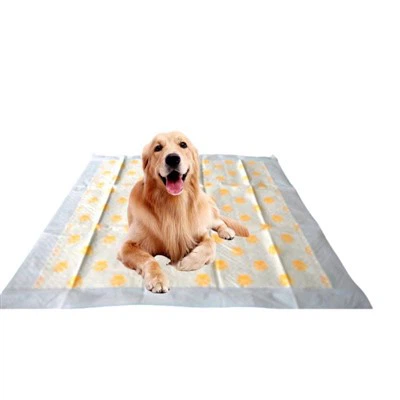
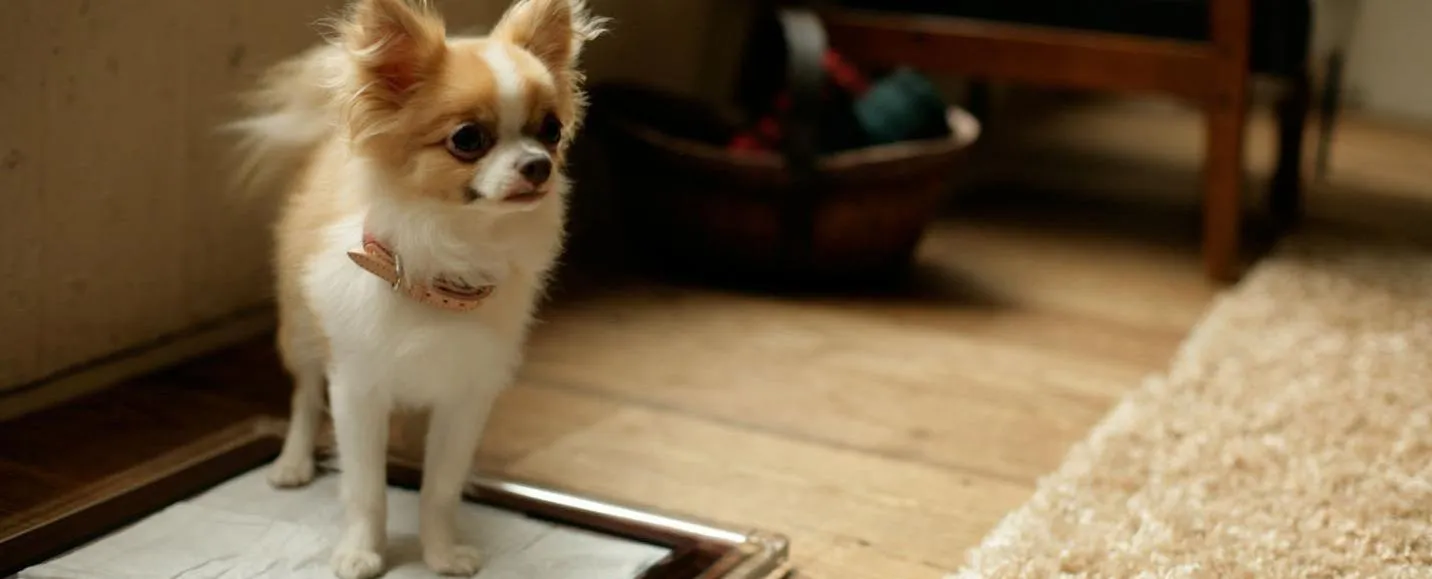
The 5 most critical core indicators for selecting disposable pet training pads are: absorbency, leak-proof performance, odor control, safety, and size suitability.
Core Indicator 1: Absorbency
Absorbency directly determines whether a training pad can fulfill its basic function-absorbing large volumes of liquid. Many people mistakenly believe that "the thicker the pad, the better the absorption," which is a common misconception. The actual factor determining absorption capacity is superabsorbent polymer (SAP); the higher the SAP content, the greater the absorption volume.
SAP also varies in quality. High-grade SAP offers higher absorption ratio and low rewet rate, delivering superior absorbency. For scientifically sound and customized pet training pad solutions, consult the sales team at Tianjin Yiyi.
Core Indicator 2: Leak-Proof Performance
Urine leakage is one of the most frustrating issues for pet owners, especially on vulnerable surfaces such as sofas, carpets, and wooden floors. Once soaked by urine, these surfaces are extremely difficult to clean and leave persistent unpleasant odors.
The leak-proof performance of a training pad relies mainly on its bottom-layer material and structural design, with two key points to consider:
- Bottom-layer material: Choose pads with a thickened PE leak-proof film, which effectively blocks urine from seeping downward and protects flooring.
- Overall structure: Opt for 6-layer structured pads, where multiple layers work together to absorb, lock in moisture, and prevent leakage.

Core Indicator 3: Odor Control
There are three main types of odor control for pet training pads:
- The first is physical odor adsorption. Odor-controlling superabsorbent polymers absorb odors released from urine without chemical additives, making them gentle and non-irritating.
- The second is antibacterial agent deodorizationl. Antibacterial agents inhibit bacterial growth, eliminating odors at the source. Urine naturally contains small amounts of bacteria; once exposed to air, bacteria multiply rapidly and decompose organic compounds in urine, producing pungent ammonia. When bacterial growth is suppressed, odors are significantly reduced. The key here is ensuring the safety of antibacterial agents-select non-irritating, harmless ingredients for pets, and confirm suppliers provide authoritative antibacterial test reports to guarantee long-term use poses no health risks.
- The third is essential oil deodorization, which combines odor control with calming effects. For example, adding lavender essential oil to the pad's surface releases a mild, subtle fragrance to mask residual odors while soothing pets and reducing resistance to the pad. Note that only high-quality essential oils should be used, not low-grade artificial fragrances, to avoid irritating pets' respiratory tracts.
Core Indicator 4: Safety
Pets have frequent contact with training pads, and puppies and kittens may lick the pad surface, making safety a top priority-one of the most valued indicators for buyers. Safety focuses on four key tests:
- Formaldehyde testing: As a strong carcinogen, formaldehyde endangers both pet and human health. Pet training pads must comply with pet hygiene standards for formaldehyde content.
- Optical brightener testing: Optical brighteners can irritate pets' skin and respiratory systems; premium pads should be free of optical brighteners.
- Microbial testing: Ensure microbial content meets pet safety standards to prevent infections from contact.
- Heavy metal testing: Heavy metals such as lead and mercury accumulate in pets' bodies and harm health. Buyers should confirm purchased pads are heavy-metal free.

Core Indicator 5: Size Suitability
Beyond the four performance indicators, size suitability is equally important. Choosing the right size maximizes the pad's effectiveness and avoids waste or insufficient coverage.
- Small dogs (e.g., Teddy, Bichon Frise): approx. 45cm × 33cm
- Medium dogs (e.g., Corgi, Shiba Inu): approx. 60cm × 45cm
- Large dogs (e.g., Golden Retriever, Labrador): 90cm × 60cm and above
Summary
By focusing on the five core indicators-absorbency, leak-proof performance, odor control, safety, and size suitability-pet product buyers can gain a firm foothold in the competitive retail market.