As an eco-friendly alternative to traditional non-degradable SAP (Super Absorbent Polymer), degradable SAP, with its dual characteristics of "high liquid absorption capacity + environmental friendliness", is gradually expanding its application scenarios in the pet hygiene field. However, restricted by factors such as technology, cost, and performance, it still has certain limitations.
Core Application Scenarios
The application of degradable SAP in the pet hygiene field mainly centers on the core demand of "pet excretion care". Currently, it has been maturely applied in the following products and is gradually extending to segmented scenarios:
1. Mainstream Scenario: Pet Pee Pads / Pet Diapers
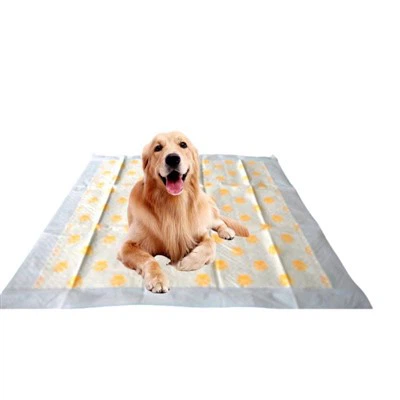
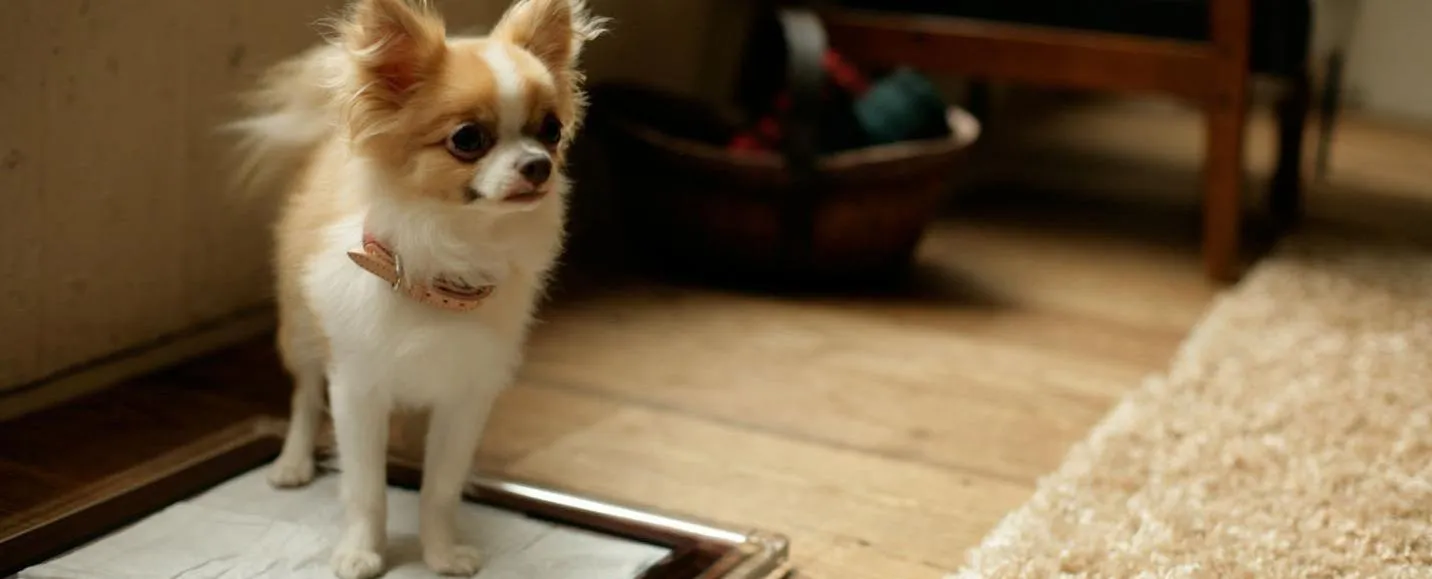
This is the most core application field of degradable SAP and also the category with the largest consumption in pet hygiene products (such as disposable dog pee pads and dog diapers). Its mechanism of action is consistent with that of traditional SAP, but it is supplemented with environmental protection attributes:
- Liquid Absorption and Locking: Degradable SAP can quickly absorb pet urine, with a liquid absorption capacity ranging from dozens to hundreds of times its own weight.
- Eco-friendly Alternative: Traditional SAP (e.g., sodium polyacrylate) is difficult to degrade naturally and tends to cause "white pollution" after disposal. In contrast, degradable SAP (e.g., starch-based, cellulose-based, and polylactic acid-based SAP) can be gradually decomposed into carbon dioxide, water, and small-molecule organic substances in a composting environment, reducing the environmental burden caused by discarded pet products.

Main Application Limitations
Although degradable SAP has prominent environmental value in the pet hygiene field, it has not yet achieved large-scale popularization. The core limitations focus on four aspects: performance stability, cost, degradation conditions, and supply chain adaptability.
1. Performance Stability: Slightly Inferior Liquid Absorption Capacity and Salt Resistance to Traditional SAP
Pet urine is a "salt-containing liquid" (containing urea, sodium chloride, etc.). The "salt resistance" of degradable SAP (especially natural polymer-based SAP, such as starch-based SAP) is generally weaker than that of traditional synthetic SAP (e.g., sodium polyacrylate):
The liquid absorption rate of traditional SAP in salt-containing liquids can reach 50-100 times, while that of some degradable SAP may drop to 20-60 times, and the absorption speed is slower. If a pet has a large urine output (e.g., large dog breeds), problems such as "inadequate liquid absorption and reverse osmosis" may occur.
After absorbing urine, some degradable SAP has low gel strength, and problems like "gel breakage and liquid leakage" may arise due to pets' treading and scratching, affecting the user experience. To address this, "composite modification" (e.g., blending starch with polylactic acid) is required to improve performance, but this will further increase technical complexity.
2. Cost Threshold: Higher Price Than Traditional SAP, Pushing Up Product Selling Prices
The costs of raw materials (e.g., polylactic acid, modified starch) and synthesis processes (e.g., biopolymerization reaction) for degradable SAP are significantly higher than those of traditional SAP (which uses petroleum-based raw materials and has mature processes):
Currently, in the market, the unit price of degradable SAP is approximately 2-5 times that of traditional SAP, directly leading to higher selling prices of pet pee pads and diapers added with degradable SAP.
Pet hygiene products are "high-frequency consumer goods" with high price sensitivity. Although some pet owners recognize the environmental attributes, they still tend to choose traditional products due to the high long-term usage cost, which limits the market penetration rate of degradable SAP.

3. Degradation Conditions: Requiring Specific Environments and Having a Long Natural Degradation Cycle
The "degradation" of degradable SAP does not mean "rapid decomposition in any environment" but relies on specific conditions, which is in contradiction with the actual disposal scenarios of pet products:
Most degradable SAP (e.g., polylactic acid-based SAP) can be completely degraded within 3-6 months only under industrial composting conditions (temperature: 50-60℃, humidity: 60%-70%, and microbial action). If it is discarded in ordinary domestic waste landfills (anaerobic and low-temperature environments), the degradation cycle may be extended to 1-2 years.
Pet owners have diverse disposal habits (e.g., mixing with ordinary garbage bags, discarding in community trash cans), making it difficult to ensure that degradable SAP enters the industrial composting system. As a result, its "environmental value" cannot be fully realized.
4. Supply Chain and Standards: Limited Production Capacity and Ununified Industry Standards
- Insufficient Production Capacity: Currently, the global production capacity of degradable SAP is mainly concentrated in a few enterprises (e.g., some biomaterial companies) and is dominated by small-batch customization, which is difficult to meet the "large-scale and standardized" procurement needs of pet hygiene products. In contrast, traditional SAP has sufficient production capacity and a mature supply chain (e.g., large chemical enterprises in China and South Korea), which can quickly respond to large orders from brands.
- Lack of Standards: Domestic industry standards for "degradable SAP for pet hygiene products" have not yet been clarified. There is no unified specification for aspects such as "degradation rate testing methods", "liquid absorption performance indicators", and "safety and environmental protection thresholds". This leads to problems such as "false degradation" in some products (e.g., claiming to be "fully degradable" only by adding a small amount of degradable components) or uneven performance, which affects consumer trust.