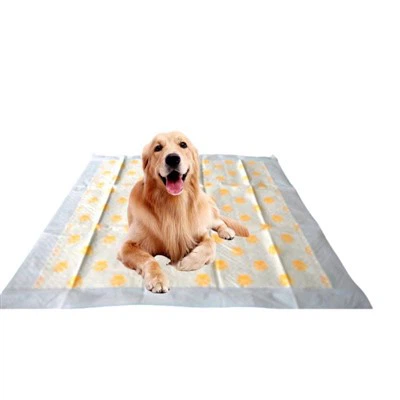
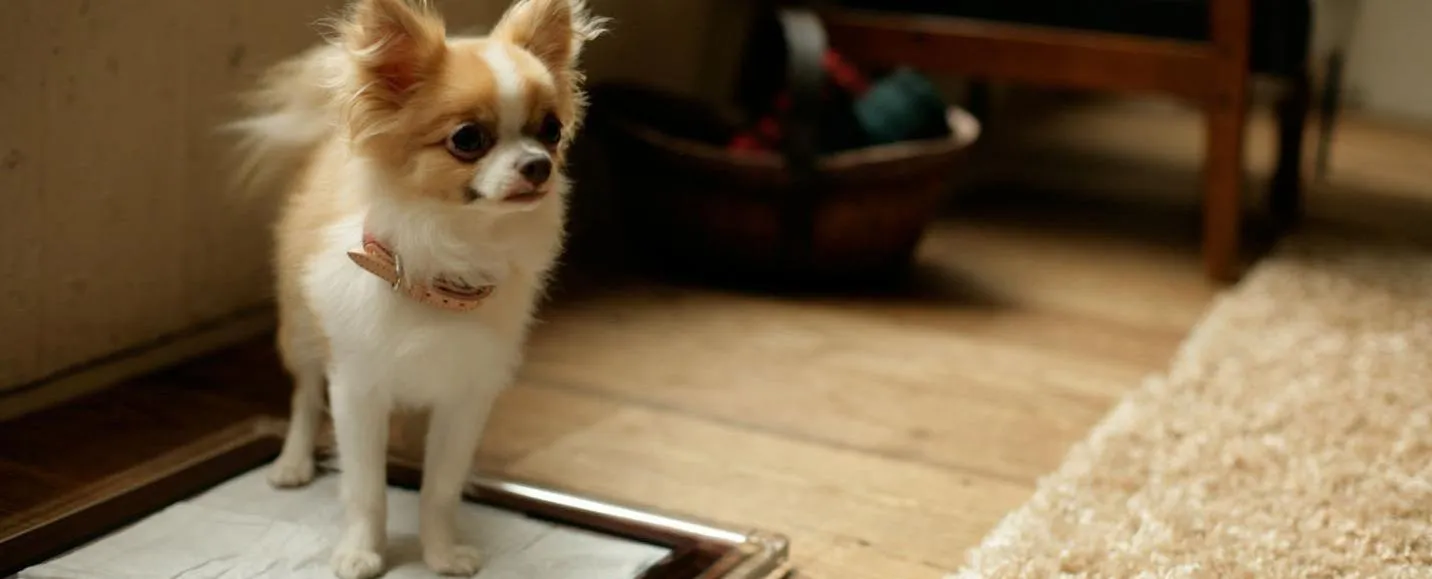
Whether cat owners need disposable pee pads depends on the age, health condition, lifestyle habits, and feeding environment of their cats. Not all cat owning households require them, but in specific situations, they can greatly improve the convenience of cat ownership and solve practical problems. The following is a specific analysis from three aspects: "Applicable scenarios", "Advantages of use", and "Precautions" to help determine whether it is necessary:
Disposable Pee Pads Are Highly Useful for Cats in These Scenarios
1. Kittens / Senior Cats / Sick/Weak Cats: Addressing "Inability to Control Urination Independently" or "Irregular Elimination"
- Kittens (usually under 3-4 months old): Newly separated from their mothers and not yet trained to use the litter box regularly, or with underdeveloped bladders (especially those under 2 months old), kittens tend to "urinate randomly" (e.g., outside the litter box, in the corner of the sofa), "urinate small amounts frequently", or even have urine splatter because they haven't learned to cover their waste with litter. Laying cat pee pads around the litter box at this time can prevent urine from seeping into floors or carpets, reducing cleaning work. If the kitten is temporarily kept in an enclosed space (such as a carrier or playpen) for transition, pee pads can also serve as a temporary "elimination area" for easy replacement.

- Senior Cats (usually over 8 years old): With declining kidney function and aging joints (e.g., suffering from arthritis), senior cats may experience "urinary incontinence" (unconscious urine leakage), "inability to hold urine" (not making it to the litter box in time), or difficulty accessing high-sided litter boxes due to mobility issues-leading to urine soiling their beds or cushions. Placing pee pads next to the cat's bed or in areas where it frequently moves can absorb leaked urine promptly, keep the environment dry, and prevent skin problems caused by the cat lying in damp, soiled areas.
- Sick/Weak Cats: If a cat suffers from urinary system diseases (e.g., cystitis, urinary stones, which may cause frequent urination, painful urination, or random urination), is in the post-surgery recovery period (e.g., temporarily unable to move flexibly after neutering/spaying, or advised by a vet to limit activity), or is too weak to control elimination due to severe illness (e.g., feline distemper, kidney failure), pee pads can act as "temporary hygiene care pads". They reduce environmental pollution from urine and also make it easier for owners to observe urine volume and color (to assist in judging the cat's condition).
2. Cats with "Stress-Induced Random Urination" or "Special Periods": Handling Sudden Elimination Abnormalities
- Stress-induced random urination: Cats are highly stress-prone animals. Moving, changing litter, adding new pets/members to the household, or environmental noise (e.g., renovation) can all cause them to "urinate to mark territory" out of anxiety (e.g., on sofas, under beds, or against walls). Laying pee pads in areas where random urination is frequent can prevent urine from seeping deep into furniture or floors-especially wooden floors and fabric sofas, where urine seepage leaves stubborn odors that are hard to clean.
- Mother cats during labor/lactation: Mother cats discharge amniotic fluid and lochia during labor; during lactation, "local dampness" may occur due to nipple secretions or kittens crawling around. Placing pee pads inside the birthing box keeps the box dry and hygienic, reducing the risk of bacterial infection for both the mother cat and her kittens. Later, used pee pads can be discarded directly, which is more convenient than repeatedly washing the birthing box mat.

3. Owners' "Convenience Needs": Simplifying Cleaning or Using in Special Scenarios
- Portable use for outings: When taking a cat to the vet (for check-ups or treatment) or during long-distance transportation (e.g., shipping, road trips), laying pee pads inside carriers or pet crates prevents the cat from soiling the crate with urine during the journey, reducing post-trip cleaning. If you temporarily stay at a friend's house, pee pads can also be used as "temporary litter box liners"-especially helpful when the friend is unfamiliar with cat care, avoiding inconvenience.
- "Auxiliary leak prevention" for litter boxes: Some litter boxes (e.g., semi-enclosed or top-entry models) may have litter spilled due to the cat "scratching litter too vigorously", or occasional urine splattering outside the box. Laying pee pads under the litter box (to prevent urine seepage from the bottom) and on the floor around it can catch spilled litter and urine, reducing the frequency of daily sweeping and mopping-especially suitable for busy owners or households with multiple cats.

Core Advantages of Using Disposable Pee Pads
- Efficient cleaning: Pee pads have strong water absorption, quickly absorbing urine and locking in moisture to prevent seepage into deep materials. When soiled, they can be discarded directly without the need for washing.
- Odor and bacteria prevention: High-quality pee pads usually contain "deodorizing ingredients" (such as those in Tianjin Yiyi's antibacterial pet pee pads), which reduce the spread of urine odors. Additionally, one-time use avoids bacterial growth caused by repeated use of cloth pads.
- Flexible adaptation: Pee pads come in different sizes, allowing selection based on the cat's body size and specific usage scenarios.
Notes for Use (Avoid Pitfalls)
- Choose the right product and reject "low-quality options": Avoid buying cheap, low-quality pee pads-such products may contain fluorescent agents, inferior non-woven fabrics (prone to lint, posing a safety risk if licked by cats), or insufficient SAP (super absorbent polymer) content (resulting in slow absorption, severe rewetting, and cats getting urine on their paws after stepping on them).
- Replace promptly to avoid "dampness issues": Soiled pee pads must be replaced immediately after being fully absorbed (it is generally recommended to replace them within 8 hours, or as soon as the surface is observed to be damp). Especially in high-temperature summer, damp pee pads breed bacteria, which may cause redness and inflammation on the cat's paws or abdomen. If the cat is used to sleeping on pee pads, it is even more important to keep the pads dry.

Conclusion
Do cat owners need disposable pee pads?
- Recommended for purchase if: You have a kitten, senior cat, or sick/weak cat; your cat has a history of stress-induced random urination; you need to take your cat out frequently; or you want to simplify cleaning around the litter box.
- Not recommended for purchase if: Your cat is a healthy adult that has fully adapted to using the litter box (no random urination or urine leakage), and you have enough time to clean the litter box and its surrounding area every day.