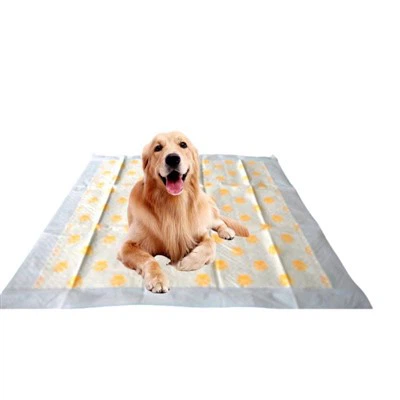
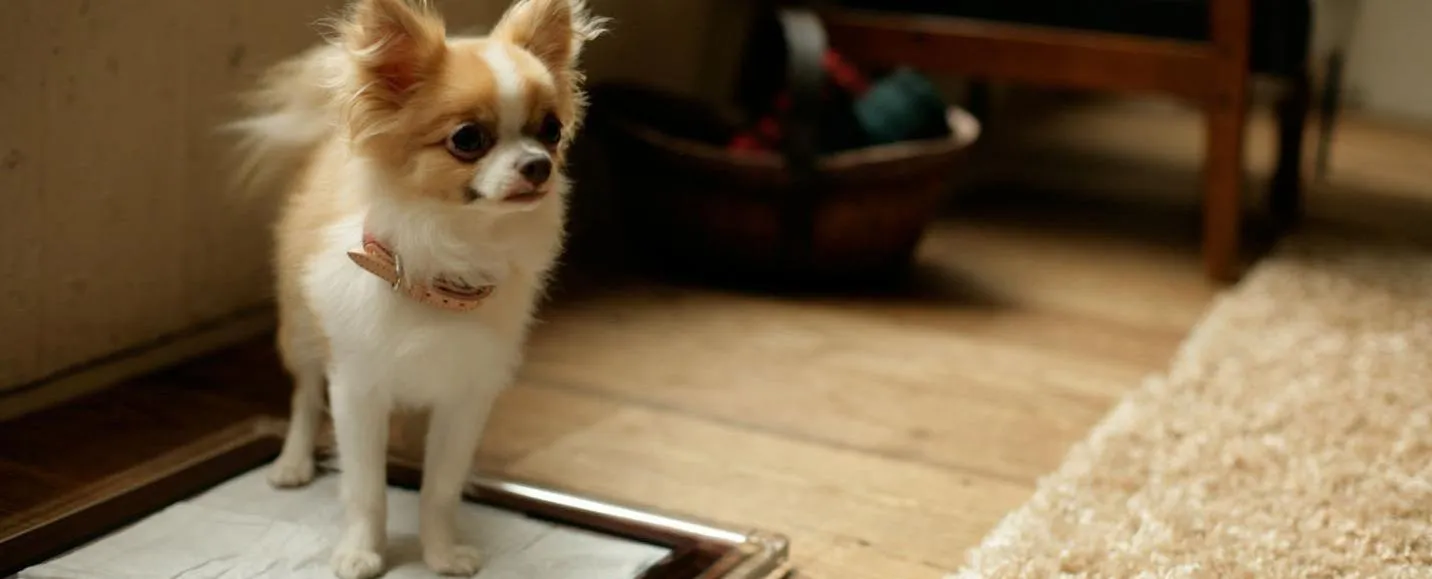
The price differences among different dog pee pads are primarily determined by the following factors:
Material Differences
- Base Materials: Low-end products often use ordinary wood pulp or paper-based materials, which are cost-effective but have poor water absorption. Mid-to-high-end products utilize renewable wood pulp, high-molecular superabsorbent polymers (e.g., 200x SAP materials), and may even incorporate antibacterial layers, significantly increasing costs.
- Additional Features: Dog pads with technologies like antibacterial properties (99.9% bacterial inhibition rate), deodorizing agents, and thickened leak-proof PE films incur higher R&D and production costs.

Water Absorption Performance
- Absorption Capacity: The absorption rate (water absorption capacity) directly impacts pricing. Standard pads with low absorption require frequent replacement, while high-capacity materials (e.g., 200x superabsorbent polymers) rapidly lock in moisture, prevent backflow, and offer longer-lasting dryness despite higher per-use costs.

Branding & Certifications
- Reputable Brands: Well-known brands typically undergo rigorous testing (e.g., antibacterial certifications), maintain strict quality control, and provide comprehensive after-sales services, commanding premium pricing.
- Customization: Tailored packaging or personalized designs also add to production costs.

Design Enhancements
Functional Structures: Features like leak-proof/anti-slip PE film backing and eco-friendly stickers with residue-free adhesive contribute to higher costs due to improved durability and user convenience.