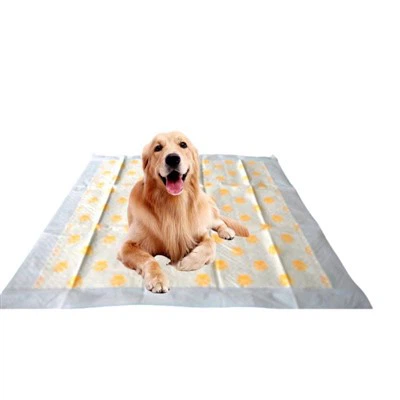
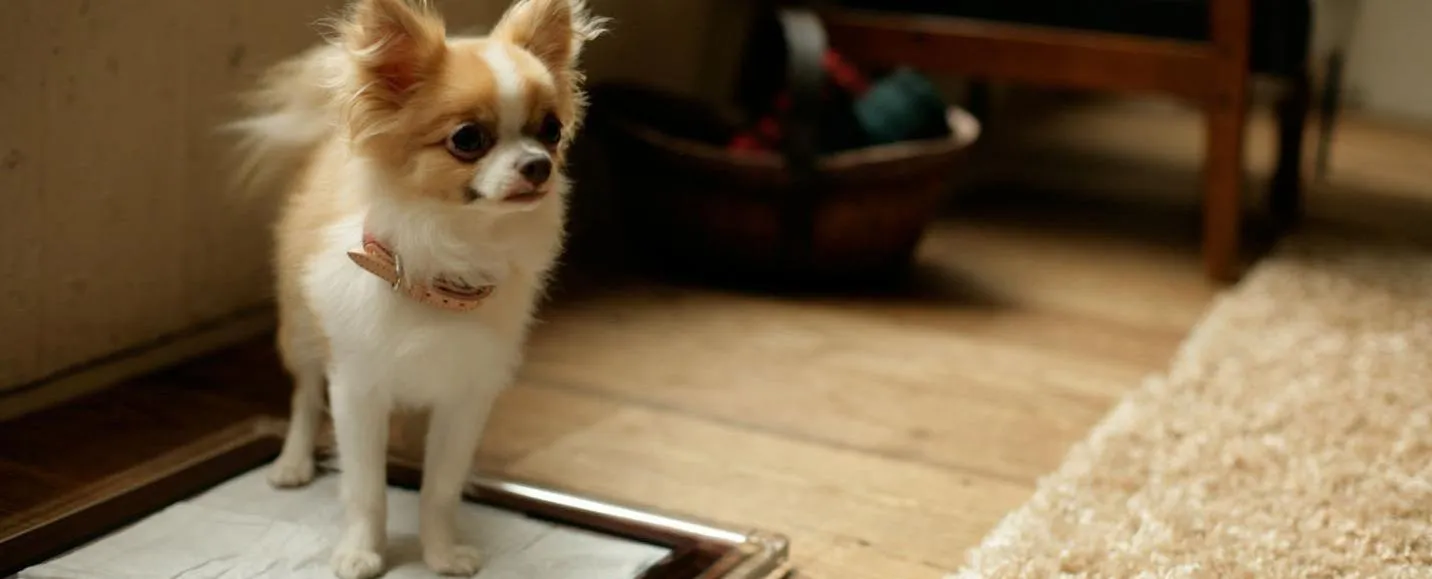

The performance of a qualified disposable dog pee pad is determined by its six‑layer materials from top to bottom. Water‑absorption speed, surface dryness, leak‑proof performance, odor control and anti‑back‑leak properties are closely related to the material and craftsmanship of every single layer.
As a professional manufacturer of pet hygiene products, Tianjin Yiyi has continuously optimized its six‑layer composite structure through years of OEM and in‑house R&D production, solving common pain‑points including urine leakage, re‑wetting and unpleasant odors during the use of dog pee pads.
Layer 1: Non‑woven Top Sheet
This is the layer directly stepped on by dogs' paws. Spun‑bond non‑woven fabric is selected by most clients, and antibacterial agents can be added upon request.
Impacts on user experience:
It determines paw‑touch comfort. Tianjin Yiyi's spun‑bond non‑woven fabric adopts 3S process and is made of 100% virgin PP material. Soft and tear‑resistant, it hardly fuzzes or sheds scraps even when dogs scratch and dig at the pad.
It affects liquid penetration speed. Our non‑woven fabric features good hydrophilicity, which guides urine downward rapidly and reduces urine retention on the surface. This helps prevent wet paw prints left on floors.
With antibacterial agents incorporated, it effectively inhibits bacterial proliferation and reduces odors from urine decomposition.

Layer 2: Distribution Tissue Paper
Lying right beneath the non‑woven sheet, this tissue layer functions to spread liquid and hold internal wood pulp and SAP in place.
Impacts on user experience:
It prevents urine from pooling at one single spot on the dog pee pad. Liquid spreads horizontally for larger absorption area, avoiding localized over‑saturation, bulging and partial leakage. It also locks wood‑pulp and SAP powder inside to prevent powder shedding when the pad is folded or moved.
Layer 3: Fluff Pulp Layer
Fluff pulp quickly receives urine and completes primary liquid absorption.
Impacts on user experience:
Fluff pulp governs instant absorption speed. Higher‑quality pulp absorbs liquid faster and performs better at preventing overflow when dogs pass large volumes of urine. Moreover, fluff pulp temporarily holds liquid and transfers it to SAP, which boasts high absorption capacity yet relatively slow absorption rate.

Layer 4: SAP Absorbent Core Layer
High‑absorbency SAP serves as the core functional layer of dog pee pads. SAP turns urine into gel upon liquid contact.
Impacts on user experience:
SAP directly defines the pad's absorption capacity, liquid‑locking performance and anti‑re‑wetting capability. Gel traps urine inside the core to keep the surface dry. Insufficient SAP content will cause re‑wetting under pressure; dogs will get urine on their paws and leave paw marks all over the floor.
Tianjin Yiyi can adjust SAP proportion according to clients' target‑market requirements, balancing absorption performance and cost, to deliver highly competitive custom dog pee‑pad solutions.
Layer 5: Wrapping Tissue Paper
This thin tissue fully encloses the mixed core of wood pulp and SAP. Together with the second‑layer tissue, it wraps the absorbent core from top and bottom.
Impacts on user experience:
This layer secures loose wood‑pulp and SAP particles. Without this wrapping layer, debris will leak out when the pad is shifted or crumpled.
Layer 6: PE Waterproof Back‑Sheet
The bottom polyethylene waterproof film acts as the final protective barrier of dog pee pads.
Impacts on user experience:
The PE film stops urine from seeping onto floors. Poor‑toughness PE film may tear during dragging and handling. Even if the upper five layers work perfectly, defective back‑sheet will still result in leakage and floor contamination.