

A dog's daily urination frequency is affected by multiple factors including age, body weight, water intake and physical condition, and there is no universally fixed standard.
Healthy adult dogs typically urinate 3‑5 times each day. Small‑breed dogs have limited bladder capacity and generally urinate more frequently than large‑breed dogs. Puppies possess underdeveloped bladders and urinary‑control muscles, leading to more frequent urination. Very young puppies may urinate 6‑10 times throughout the day. Urination may occur after meals, drinking water, or waking from sleep, which is also a period when indoor accidental soiling commonly happens among puppies.

Some senior dogs may suffer from more frequent urination than adult dogs, and even involuntary urine leakage or incontinence, caused by deteriorated bodily functions, kidney disease, diabetes and other conditions. Abnormal signs including sudden increase or decrease in urine output, painful urination and blood‑tinged urine call for prompt veterinary attention.
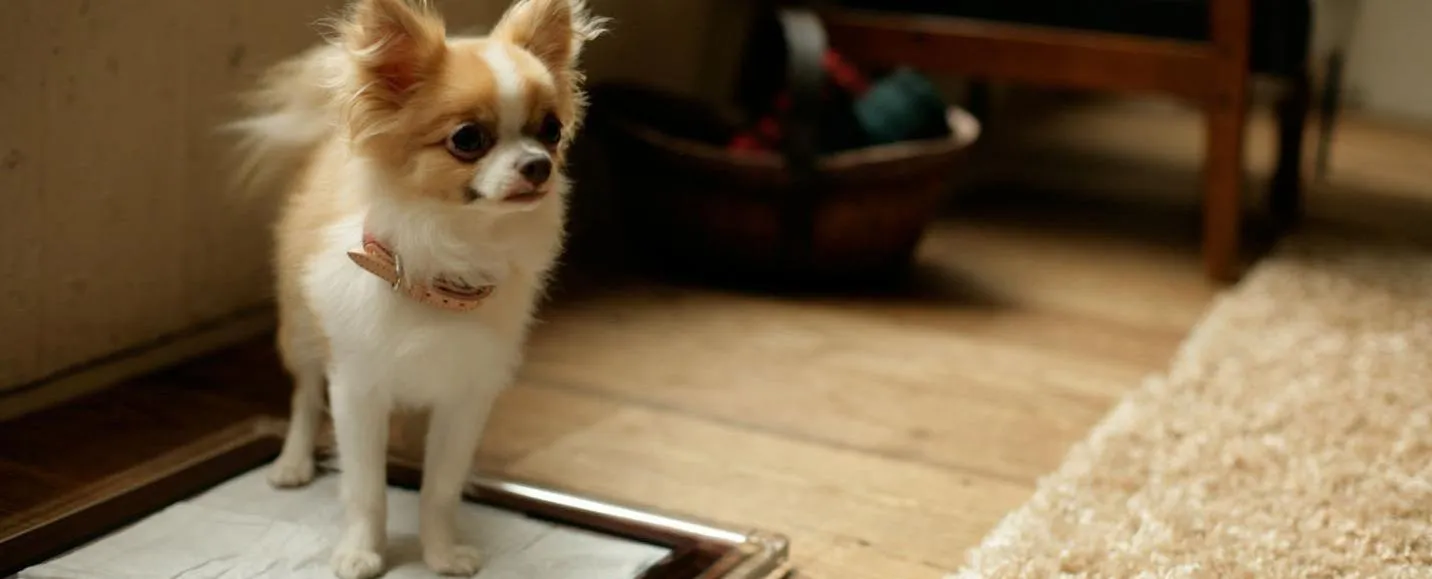
Disposable dog pee pads serve as a practical solution for indoor dog urination. They help monitor urinary‑system health and maintain indoor hygiene for pet excretion.
During puppy potty training, laid‑out disposable dog pee pads catch urine and ease floor cleaning. For pet owners with busy work schedules or during rainy and snowy weather when outdoor walks are impractical, dog pee pads act as an indoor emergency toileting option. For pet travel and shipping scenarios, disposable dog pee pads can be placed inside crates to absorb leaked urine and reduce crate contamination.
When confusion over a dog's urination frequency creates uncertainty about pee‑pad selection, share the dog's breed type and body weight with customer service for tailored recommendations.