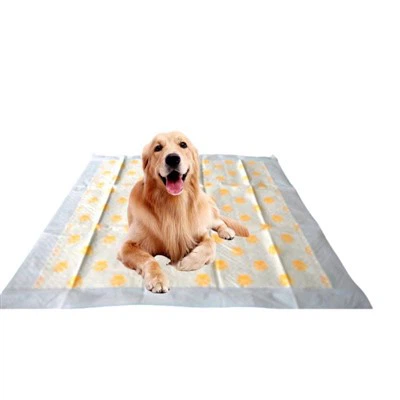
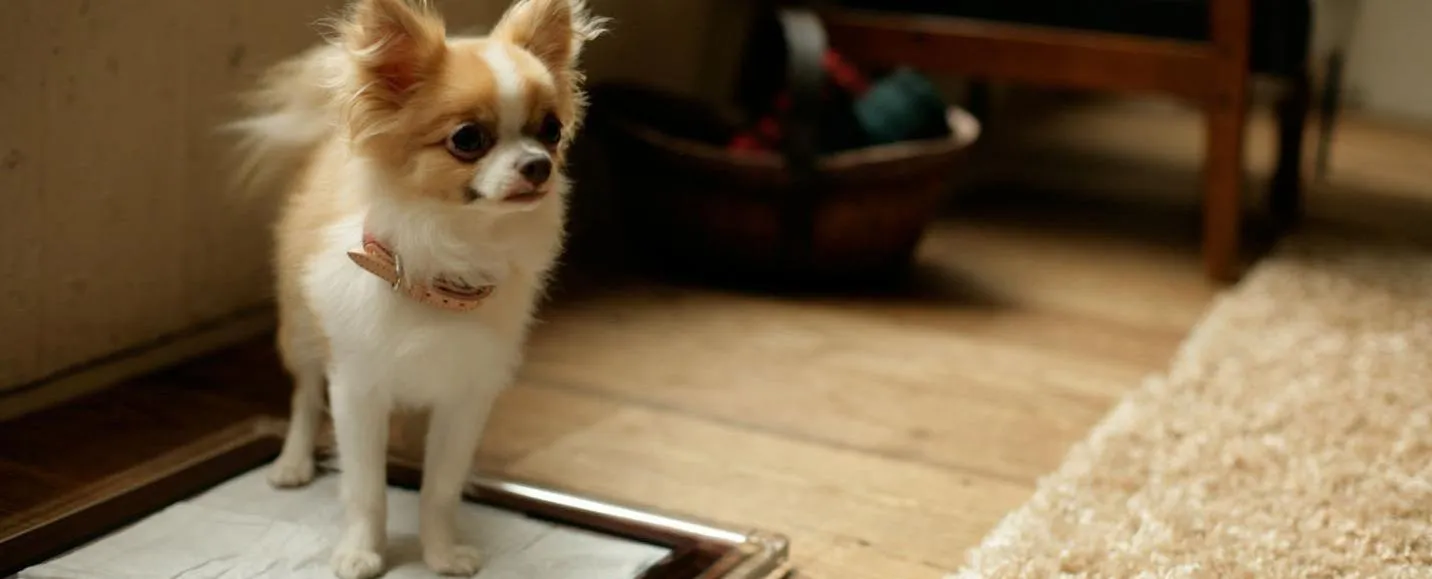
To design a dog pee pad that doesn't leak from the sides, it is necessary to consider various aspects such as structure, materials, and size. The following are some key design points:
Structure Design
- Multi-layer Composite Structure: Design a multi-layer structure consisting of a surface layer, a liquid-guiding layer, an absorption layer, and a bottom layer. For example, the HUSHPET dog pee pad has an 8-layer structure. The first, second, and third layers are non-woven fabric, hot-melt adhesive, and toilet paper respectively. These three layers work together to quickly allow the liquid to penetrate to the next layer and prevent the urine from flowing to the sides. The fourth and fifth layers are fluff pulp and superabsorbent polymer respectively, which can quickly absorb and lock the liquid, preventing liquid leakage and side leakage. The sixth, seventh, and eighth layers are toilet paper, hot-melt adhesive, and PE film respectively, which play the roles of fixing the upper and lower layers, connecting the upper and lower layers, and preventing water from seeping down. Among them, the fourth and fifth layers are the key factors. Increasing the amount of high-quality fluff pulp and superabsorbent polymer can effectively reduce the risk of side leakage.

- Reinforced Edge Structure: Add an additional absorption layer to the edge part of the dog pad. One or more layers of absorbent materials can be stacked at the edge position. For example, more superabsorbent polymer can be added to the absorption layer at the edge to enhance the water absorption capacity of the edge, thereby preventing urine from leaking from the edge.
Material Selection
- Highly Absorbent Materials: The core material of the absorption layer should be a highly absorbent polymer, ensuring that it can quickly absorb a large amount of urine and form a gel state to firmly lock the urine, reducing the flow of urine inside the dog pad and thus reducing the risk of side leakage.

- Waterproof and Breathable Materials: The bottom layer material should have good waterproof performance. For example, a PE waterproof film with a moderate thickness can be used to ensure that urine will not leak onto the ground.
Size Design
Appropriate Size: Design dog pads of different sizes according to the body sizes of different dog breeds. Generally speaking, the size of the dog pad for small and medium-sized dogs can be about 60 cm × 60 cm, and the size of the dog pad for large dogs should be no less than 60 cm × 90 cm, providing enough urination space for dogs, reducing the probability of urinating at the edge, and thus preventing side leakage.

Other Detail Designs
- Anti-slip Design: Add anti-slip particles or an anti-slip coating to the bottom of the dog pad to prevent the dog pad from moving during the dog's use, which may cause urine to flow out from the edge.
- Easy-to-fix Design: Set fixing holes or adhesive strips at the four corners or edges of the dog pad to facilitate fixing the dog pad on the ground or in the dog toilet, maintaining the stability of the dog pad and reducing the risk of side leakage caused by the movement of the dog pad.