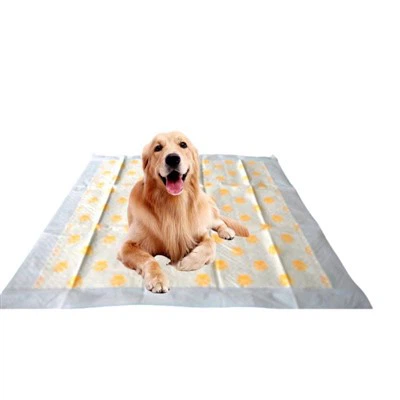
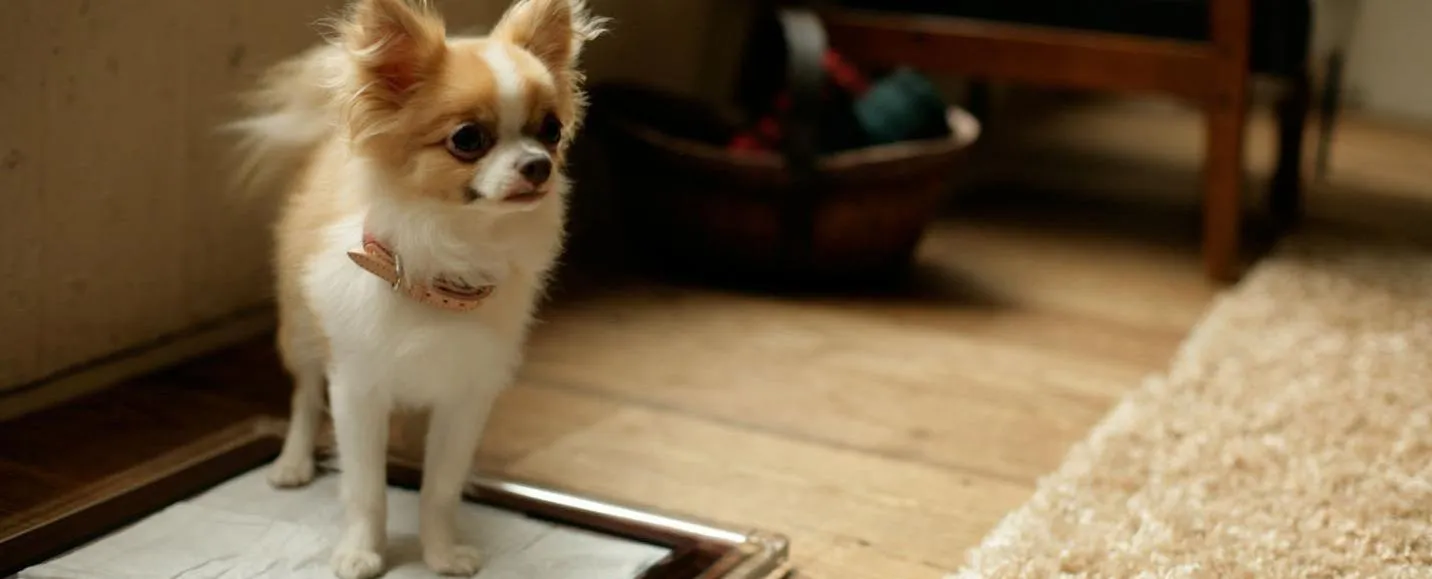
Customizing disposable dog pee pads requires considering usage scenarios (e.g., pet size, usage environment), functional requirements (water absorption, leak-proof performance, etc.), and personalized needs (brand logos, patterns). The process follows the sequence of "clarifying requirements → selecting manufacturers → confirming plans → production and acceptance". Below are the detailed steps and considerations:
Clarify Core Customization Requirements
Before contacting manufacturers, it is essential to sort out the following key requirements, which form the basis of the customization plan:
| Requirement Category | Specific Dimensions | Common Options / Descriptions |
|---|---|---|
| Basic Specifications | Size | - Small dogs (e.g., Poodle, Bichon Frise): 33×45cm, 50×50cm - Medium dogs (e.g., Corgi, Shiba Inu): 60×60cm - Large dogs (e.g., Golden Retriever, Alaskan Malamute): 60×90cm, 90×110cm - Special scenarios: For crates (matching crate size), for cars (long strips, e.g., 50×150cm) |
| Weight | - Regular type: 30-50g (for daily home use, thin and portable) - Thickened type: 70-100g (for senior dogs, puppies, and multi-dog households, with stronger water absorption and less leakage) |
|
| Functional Requirements |
Water Absorption (Core) | - Absorbent layer material: Priority is given to "high-quality fluff pulp + super absorbent polymer (SAP)" (fast water absorption, good water retention, and less rewetting) - Water absorption capacity: Depending on the dog's urine volume, small dogs require ≥300ml per pad, and large dogs require ≥800ml per pad (you can ask the manufacturer to provide a pad test report) |
| Leak-Proof Performance | - Bottom layer material: PE waterproof film (basic leak-proof, suitable for floors), non-slip PE film (with concave-convex texture, suitable for tiles/car seats to prevent the pad from sliding) | |
| Additional Functions | - Deodorization: Adding an activated carbon layer or deodorant factor (reduces the spread of urine odor, suitable for enclosed indoor environments) - Inducing function: Adding attractant (pet potty training) - Environmental protection: Degradable materials (e.g., bio-based PE film, suitable for users who value environmental protection, with higher cost) |
|
| Personalized Design | Surface Pattern / Color | - Pet-themed: Patterns of bones, paw prints, and cartoon dogs (aesthetic for home use) - Minimalist style: Solid colors (e.g., white, light gray, suitable for commercial scenarios such as hotels and pet hospitals) - Dark colors should be avoided (urine stains are more visible and make it difficult to observe the dog's urination status) |
Packaging Requirements |
Brand / Information Printing | - Printing content: Printing logos, contact information, and slogans (enhances brand recognition) - Ink requirement: Food-grade environmentally friendly ink (prevents poisoning from pets licking) |
| Quantity per Package | - Small package: 10-20 pads per package (portable and less prone to moisture) - Large package: 50-100 pads per package (cost-effective, suitable for bulk use) |
|
| Packaging Design | - Plastic bag: Sealed bag (with a tear opening for easy access and moisture prevention) - Carton: Carton (printed with brand information for easy display) |

Select Suitable Customization Manufacturers
The core of customization lies in "controllable quality + stable delivery". Prioritize selecting manufacturers through the following channels and focus on examining 2 key dimensions:
1. Selection Channels
- Offline Pet Product Exhibitions: Such as the Global Pet Expo in the United States and the Canton Fair in China. You can check samples on-site (feel the thickness and test water absorption), communicate face-to-face with manufacturers, and it is suitable for bulk customization (e.g., kennels, pet stores).
- Industry Reputation: If you have contacts in the pet industry, prioritize manufacturers recommended by those who have cooperated with them (to avoid trial-and-error costs).
- Online Platforms: Such as Alibaba.com, Google, and Canton Fair Online.
2. Two Key Dimensions for Manufacturer Evaluation
Whether "Sample Customization" is Supported: First, ask the manufacturer to produce 1-2 samples and test the core functions:
- Water absorption: Pour an equal amount of water (simulating the dog's urine volume), observe whether it is completely absorbed within 10 seconds, and check for rewetting when pressed;
- Leak-proof performance: Tilt the absorbent pad by 30° after water absorption, place it for 5 minutes, and check if the bottom layer leaks;
- Material safety: Smell for pungent odors (inferior pads may contain formaldehyde).
Production Qualifications and Capacity: Request the manufacturer to provide the Production License and Product Test Report (e.g., for water absorption, pH value, and harmful substance testing), and confirm its daily production capacity (to avoid order delays).

Confirm Customization Plan and Sign a Contract
After being satisfied with the samples, sign a formal contract with the manufacturer, and clearly define the following terms:
1. Plan Details
- Clarify Specifications: Size, weight, and materials (materials of the absorbent layer, bottom layer, and surface layer);
- Functional Indicators: Water absorption (minimum water absorption rate) and leak-proof design (whether to include side guards);
- Design Draft Confirmation: Confirm the printing position of patterns and logos (e.g., top-left corner) and colors (provide PANTONE color numbers to avoid color difference).
2. Production and Delivery
- Production Cycle: Determined based on the customization quantity;
- Acceptance Criteria: Randomly select products after delivery and test them according to the sample standards.

Mass Production and Acceptance
1. Production Progress Tracking
During the production cycle, inquire about the progress from the manufacturer regularly and request "photos/videos of the production site".
2. Delivery Acceptance
- Quantity Verification: Count the total number of cartons and the quantity per carton to confirm consistency with the order;
- Quality Sampling Inspection: Test water absorption, leak-proof performance, and printing effect according to the acceptance criteria agreed in the contract. If problems are found, take photos for evidence immediately and contact the manufacturer for handling;
- Storage Recommendations: Store the pee pads in a dry and ventilated place, avoid direct sunlight (to prevent aging of the PE film), and keep them away from water.
Common Customization Mistakes and Avoidance Suggestions
Mistake 1: Focusing Only on Price and Ignoring Materials
Low-priced pee pads may use "inferior fluff pulp" (prone to caking) and "insufficient SAP" (poor water absorption), which will increase the replacement frequency and result in higher long-term costs. It is recommended to compare the quality of samples first before negotiating the price.
Mistake 2: Customizing Oversized Pads and Wasting Space
For example, using large-dog pads for small dogs not only causes waste but may also lead to pad displacement because the edges of the pad are too long for the dog to step on. It is recommended to customize pads according to the standard of "dog's body length + 20cm" (e.g., for a dog with a body length of 30cm, choose a pad of about 50cm).