
Pet incontinence, whether resulting from organ function decline in senior dogs and cats, temporary loss of control after surgery, or frequent urine leakage caused by illness, often leaves persistent urine odors at home, which is a tough problem for many pet‑owning households. To get rid of urine smells, simply masking them with fragrances is not enough. A systematic approach covering pet care, household disinfection, and selection of sanitary cleaning supplies is required.
Source Control
Odors are produced by ammonia released when urine is decomposed by bacteria. Effective source control can greatly reduce odor intensity.
Select Suitable Disposable Pet Sanitary Products
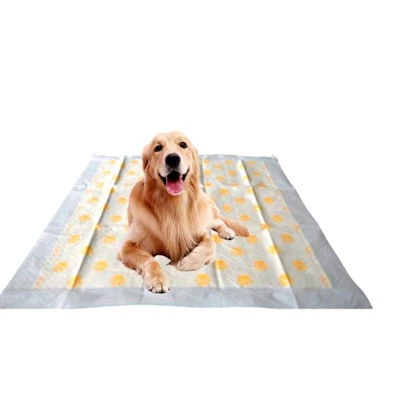
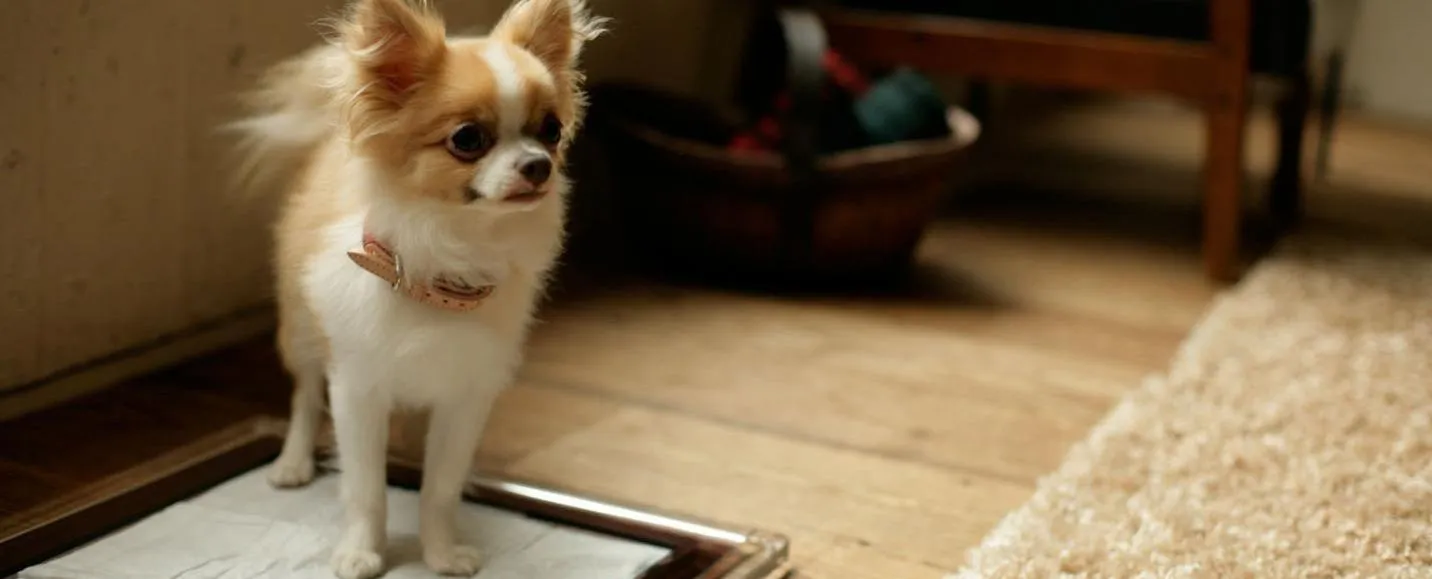
For incontinent pets, opt for antibacterial pet pee pads and pet diapers with excellent liquid‑locking performance. High‑quality pet pee pads and diapers contain high‑grade and sufficient SAP, which can effectively lock urine and prevent side leakage and re‑wetting. Besides, antibacterial agents on the surface of antibacterial pee pads and diapers inhibit bacterial reproduction and cut down odors.
Proper Adjustment of Water Intake and Diet
Do not blindly restrict your pet's water drinking, as water shortage raises risks of urinary system diseases. For pets suffering from kidney diseases or polyuria, adjust their diet following veterinary advice. More concentrated urine generates stronger smells. With a veterinarian's approval, moderately increasing water intake can dilute urine and ease the pungent urine odor.

Immediate Clean‑up
Once urine seeps into carpets, sofa crevices, wooden floors and fabric furniture, urea crystals will remain inside fibers after moisture evaporates. They will give off odors repeatedly when the environment turns humid.
Treatment for Fresh Urine Stains
For freshly excreted urine, press and absorb the liquid with dry paper towels or pee pads first. After most liquid is soaked up, spray pet‑specific enzymatic cleaner. Enzymatic cleaners decompose organic substances in urine and eliminate odors at the source.
Tackling Long-standing Urine Stains
For areas that keep giving off odors with no visible urine stains, a pet urine detection lamp can be used to locate the soiled spots. Spray enzymatic cleaner multiple times and leave it to react fully so that residues can be decomposed, then wipe the surface dry and ventilate the area.

Household Deodorization
Prioritize Ventilation
Opening windows for adequate air circulation is the most cost‑effective and efficient deodorizing method. It dispels lingering urine smells in the air, replaces stale odorous air, and lowers odor concentration.
Thoroughly Dry Fabric Items
Wash pet beds and blankets and expose them to full sunlight for complete drying. Bacteria barely multiply in dry conditions, which helps reduce odors.
Pay Attention to Pet Health
Pet Body Hygiene
The belly and hind‑leg fur of incontinent pets may get soiled with urine, which causes bad smells. These areas need regular cleaning.
Rule Out Underlying Health Issues
Sudden pet incontinence or unusually sharp odors may signal illnesses such as urinary tract infection or kidney disease. Seek prompt veterinary treatment to reduce incontinence at its root.