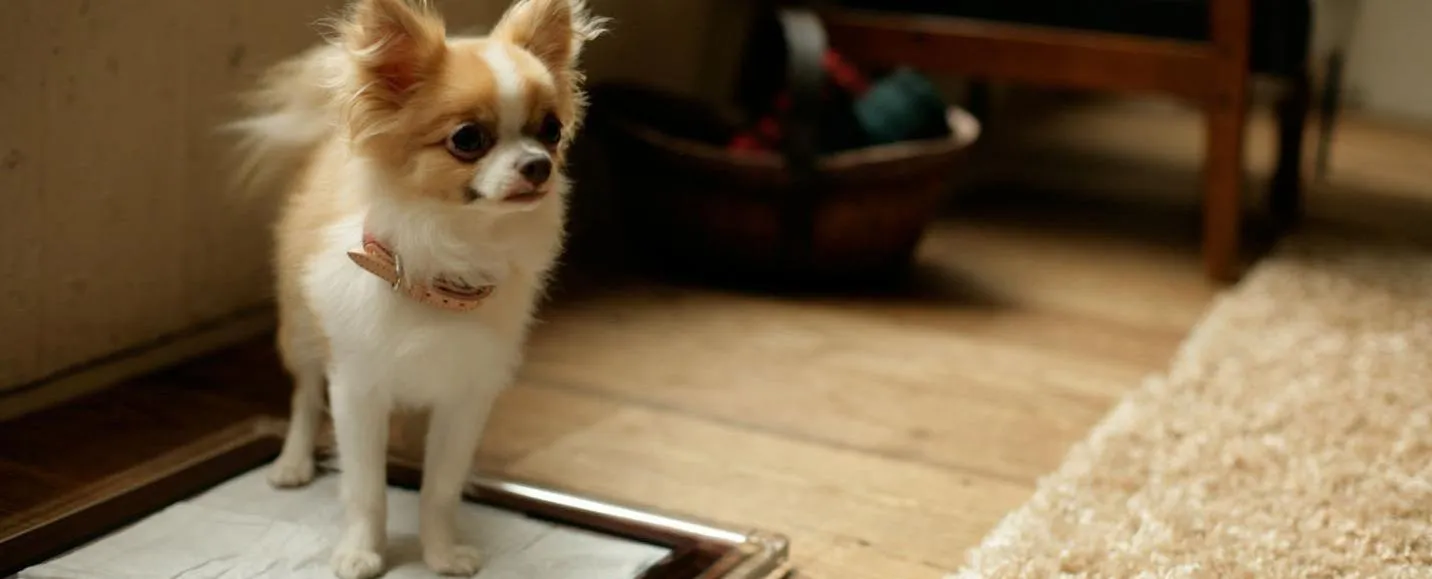

Once hardwood flooring gets contaminated with cat urine, the stench easily soaks deep inside the floorboards. Regular mopping only cleans surface stains and fails to break down uric acid crystals that penetrate the wood, which is the core reason why the unpleasant smell lingers and worsens on rainy and humid days. To completely eliminate cat pee odors, you need to adopt targeted solutions for two distinct situations: fresh urine stains and old, invisible urine residues. Below is a detailed step-by-step guide.
Immediate Treatment for Fresh Cat Pee Stains
The moment a cat urinates is the golden window for odor removal. At this stage, the urine only sits on the floor surface and has not seeped into wood grain gaps. Prompt and proper cleaning can almost completely eliminate residual odors. Never wipe back and forth with a mop, as this will spread the urine and expand the contaminated area.
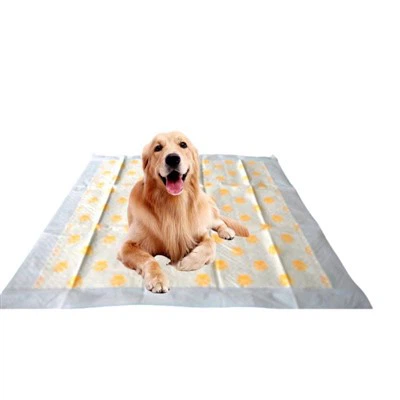
The correct approach is to clean up immediately using disposable cat pee pads and paper towels. Lay a disposable pee pad flat over the urine spot with the absorbent side tightly against the floor to soak up most of the liquid quickly with its strong water-locking capacity. Use dry paper towels to blot up any remaining urine in corners, edges and narrow gaps that the pad cannot cover. Disposable cat pee pads are far more absorbent and effective at trapping moisture than ordinary paper towels, preventing urine from continuously penetrating the pores of hardwood floors.
After fully blotting up all surface urine, wipe the contaminated area with clean water. Then open windows for ventilation or use a fan to dry the floor thoroughly. Complete dryness is essential to stop odor residue at the source.

Remove Old & Invisible Urine Stains With Specialized Tools
Locate hidden odor sources with a cat urine detection UV light
It is common to notice a faint persistent pee smell on floors with no visible stains. This happens because dried cat urine crystals hide deep in wood grains and floor seams, forming invisible old residues that cannot be spotted by the naked eye. Such hidden stains are the main cause of recurring odors and cannot be removed by regular cleaning methods.
A cat urine UV detection light is required to pinpoint all hidden odor sources. Turn off all indoor lights and close the curtains to create a completely dark environment, then scan the entire hardwood floor with the UV light. Special fluorescent substances contained in cat urine will glow bright yellow-green under ultraviolet light, accurately marking every invisible contaminated spot and ensuring no area is missed during cleaning.
Break down odors with pet-specific enzymatic odor remover
After identifying all stained areas with the UV light, perform deep odor removal with a professional pet enzymatic cleaner. Enzymes specifically break down uric acid and protein crystals in cat urine that cause persistent odors, eliminating smells from the root. The formula is mild and will not damage or scratch the finish of hardwood floors.
Spray the enzymatic cleaner evenly over all UV-located old urine stains, focusing on floor joints, corners and recessed grooves. To prevent the cleaner from evaporating too quickly, lock in active ingredients and boost penetration and decomposition effects, cover the treated area with plastic wrap after spraying.
Leave the plastic wrap in place for 30 minutes to 1 hour to allow the enzymes to fully penetrate wood pores and break down deep-set urine residues. Remove the wrap once the time is up and let the floor air dry naturally. For severe, long-standing stubborn odors, repeat the spraying process in small, frequent applications to gradually dissolve deep residues, restoring your hardwood floors to a fresh, odor-free condition.

Conclusion
Effective cat pee odor removal on hardwood floors relies on scenario-based treatment. For fresh stains, use disposable pee pads to absorb liquid instantly and prevent deep penetration. For hidden old residues, use a UV light to locate contamination sources, then apply enzymatic cleaner with plastic wrap coverage for deep decomposition. Repeating the process as needed permanently fixes recurring urine odors while protecting your hardwood floors from damage to the greatest extent possible.