
Odors within the litter‑box area stem from litter selection, cleaning routines and ventilation conditions. Recommended practices are listed below.
Timely Litter‑Box Cleaning
Prompt cleaning constitutes the most fundamental step for odor removal. Clumps formed by urine and feces shall be scooped out within one day after feline elimination. Complete full‑litter replacements on a regular schedule to maintain interior cleanliness of the litter box.
Suitable Odor‑Control Cat Litter Selection
Cat‑litter selection directly governs baseline deodorizing performance. Litter featuring rapid clumping, powerful absorption and built‑in deodorizing properties helps mitigate odors around the litter‑box zone.
Optimized Ventilation
Litter‑box placement influences odor dispersion. Placement right against sofas or wardrobes should be avoided, and well‑ventilated spots are preferred. Poor air circulation triggers odor accumulation in confined spaces.
Odor Elimination Around the Litter Box
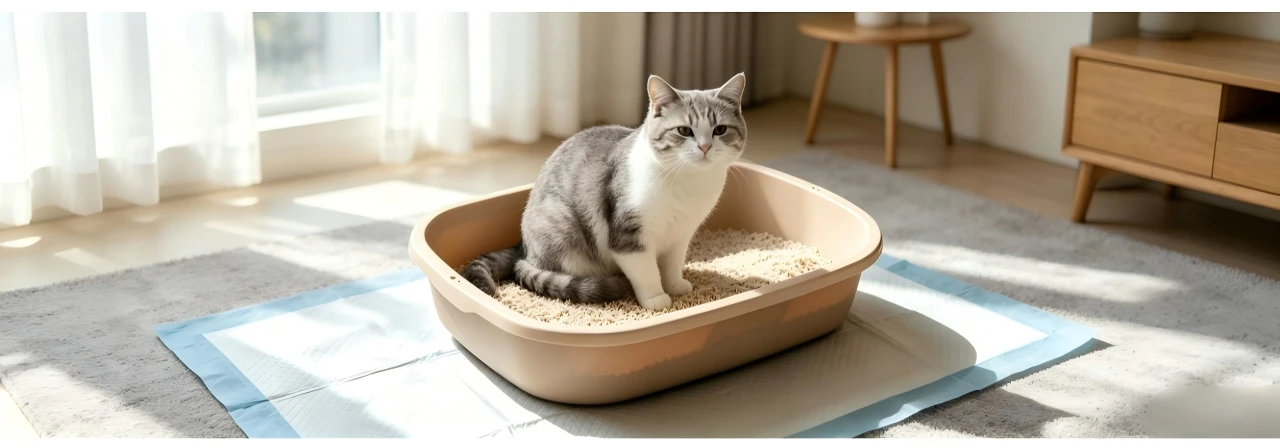
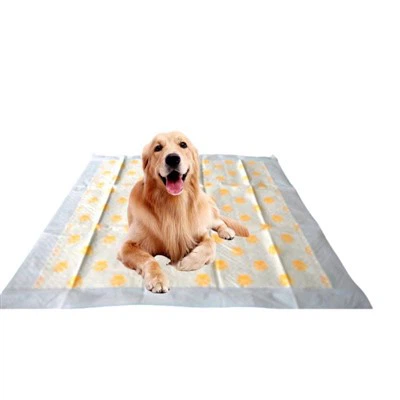
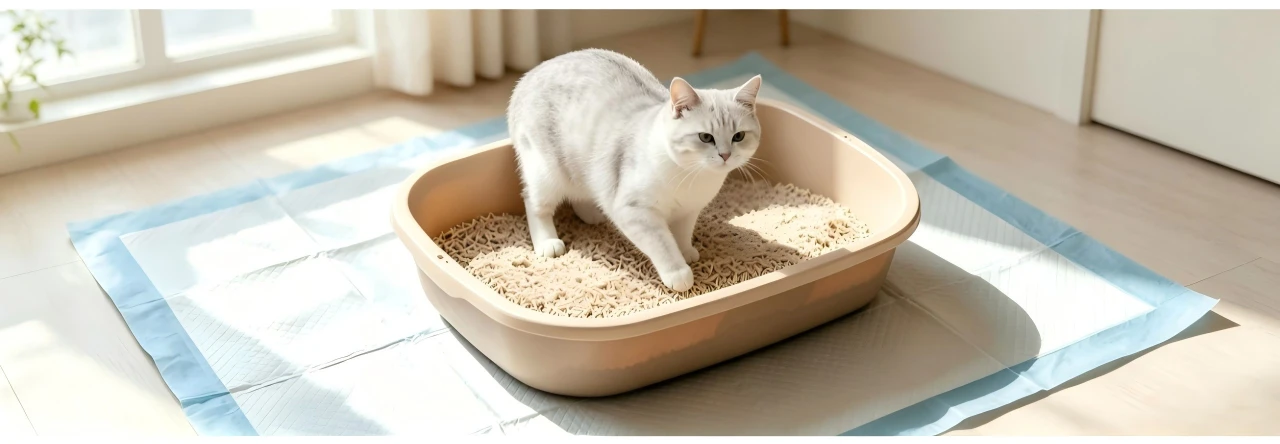
Odors outside the litter‑box perimeter are frequently overlooked. Tiny litter fragments fall onto flooring as cats jump out of the box. Traces of urine left on these scattered particles may seep into wooden floorboards without timely cleanup. Urine residues crystallize inside wood fibers and release persistent urine odors resistant to basic wiping and scrubbing. Large‑sized cat pee pads laid beneath the litter box catch stray litter fragments, absorb liquids and suppress odors to protect floor surfaces. Enzymatic cleaners offer a safe, mild and efficient solution for long‑standing embedded urine odors on wooden floors.
Feline Health Observation
Abnormally strong odors represent a red‑flag condition. Persistent heavy urine smell despite consistent cleaning may indicate underlying feline health complications. Urine develops an exceptionally pungent scent when urinary‑tract disorders occur. Veterinary check‑ups are required promptly under such circumstances.
Summary
Reducing litter‑box‑area odors relies on a combined set of measures: frequent scooping and full litter changes, adoption of odor‑control cat litter, rational litter‑box positioning, external pee pads to trap spilled waste around the litter box, enzymatic cleaning agents for wooden‑floor odor treatment, plus ongoing monitoring of cats physical well‑being.