Eliminating odors from dog pee pad areas requires simultaneous treatment of three aspects: the pee pads themselves, the contact surfaces, and the ambient air. Specific methods are as follows:
Step 1: Source Treatment – Odor Control for the Pee Pads Themselves
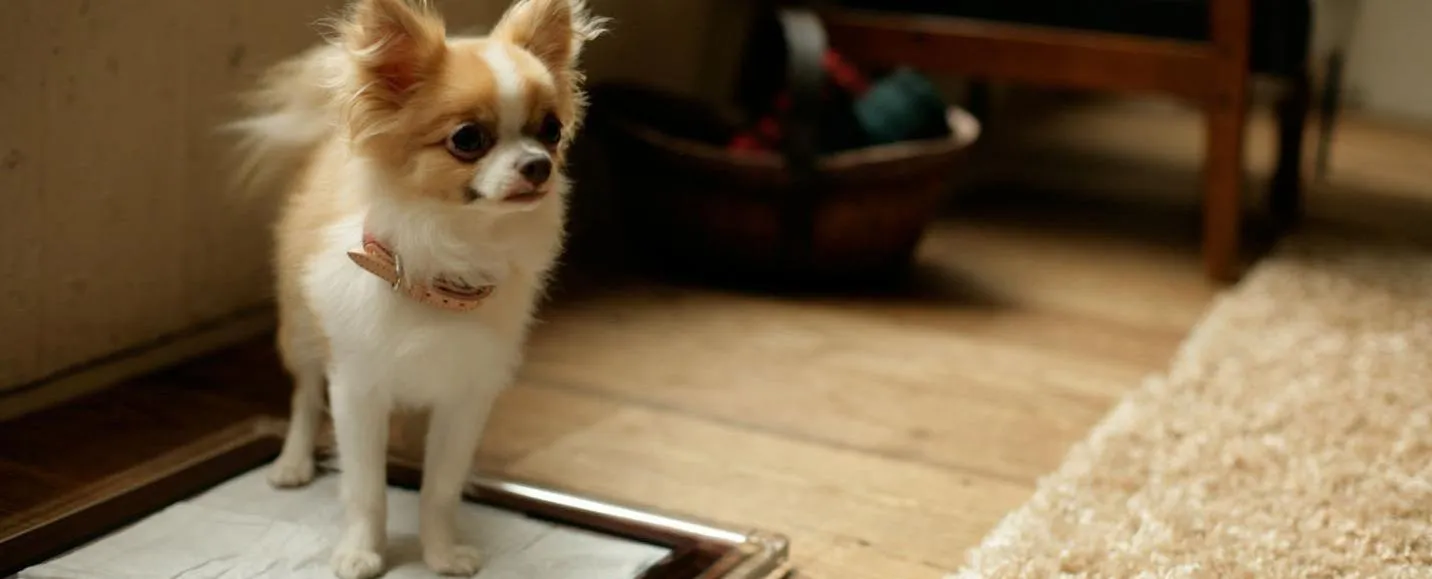
- Replace in a timely manner to avoid urine accumulation: Change the pee pad immediately if its surface is damp or has a noticeable odor. Prolonged use will cause urine to ferment, intensifying the stench and doubling the difficulty of subsequent cleaning.
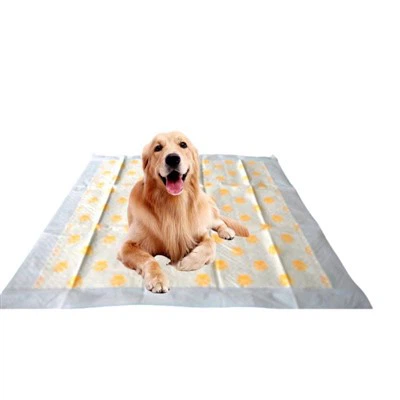
- Choose the right type of pee pad to reduce odors at the source: Prioritize dog pee pads made of activated carbon or bamboo charcoal (which physically absorb ammonia) or essential oil deodorant pee pads (which neutralize odors). The pad's size should cover the pet's urination area, and its absorption capacity must at least meet a dog's single urination needs to prevent urine from overflowing and contaminating the surrounding area.

Step 2: Contact Surface Cleaning – Odor Removal from Floors
Urine leakage or pad displacement can leave lingering odors, which need to be addressed in three steps: cleaning → disinfection → deodorization:
- Basic cleaning (remove surface urine residue): First, blot up residual urine on the surface with paper towels or a cloth, then wipe the contact area with warm water and a neutral cleaner (e.g., pet-specific stain remover), focusing on crevices (such as floor seams). Urea crystals in urine tend to hide in these gaps and decompose into ammonia at room temperature.
- Pet-safe disinfection (inhibit bacterial growth): Use a pet-friendly disinfectant, spray it on the cleaned surface, let it sit for 10 minutes (a critical step for sterilization), then wipe clean with water. Avoid high-concentration chlorine-containing disinfectants (e.g., 84 disinfectant) or phenolic disinfectants– the former irritates pets' respiratory tracts, while the latter is toxic to cats.
- Deep deodorization (break down residual odors): If odors have seeped into wooden floors, use a pet-specific enzymatic deodorant (containing urease and lipase) – only this can break down proteins and urea in urine, eliminating odors at the source. Spray it on the affected area and let it sit for 20 minutes; no rinsing is needed.

Step 3: Ambient Deodorization – Purify Air and Surrounding Areas
- Ventilation: Open windows to ventilate 2-3 times a day for more than 30 minutes each time to speed up the diffusion of ammonia and other odor molecules. Use a fan to enhance air circulation in enclosed spaces.
- Pet hygiene: Regularly wipe your pet's paws and abdominal fur (especially after urine leakage from the pad) to prevent the pet from tracking urine stains around and spreading the odor.