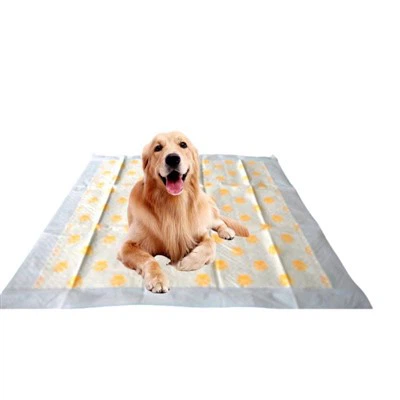
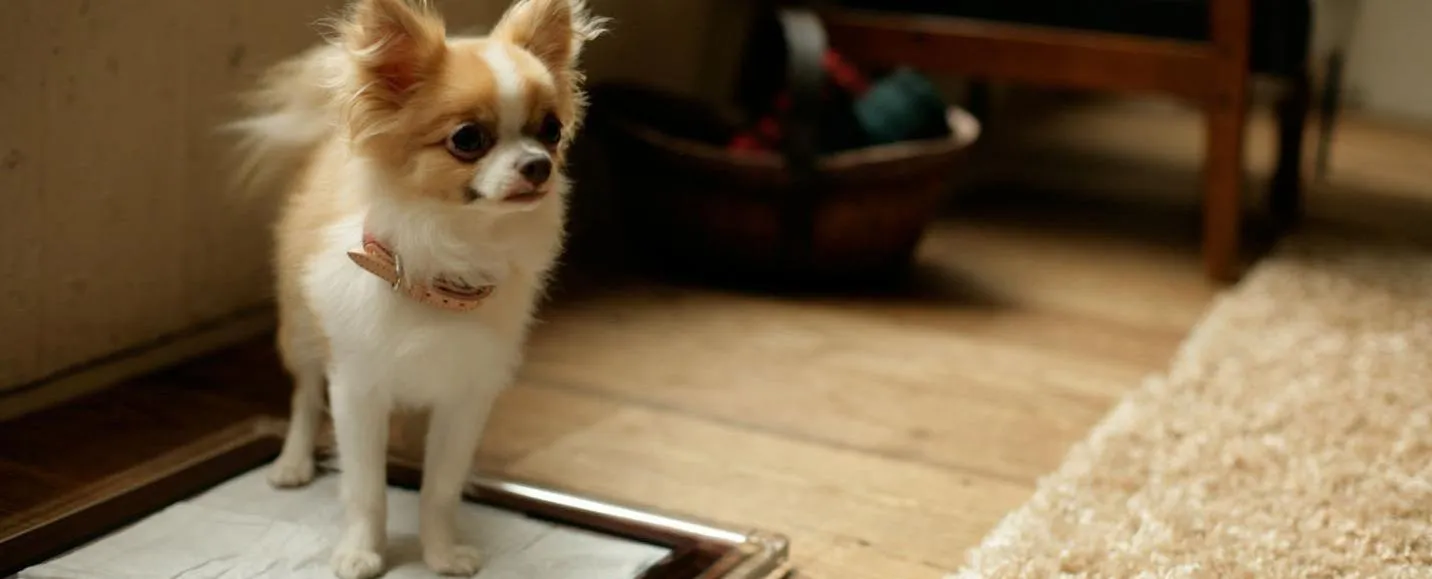
The "disposable" label of disposable pee pads refers to a single sanitary protection cycle rather than a strict limit on the number of uses. Whether to discard a pad after one use depends on its absorption saturation and hygiene condition.
Scenarios Requiring Immediate Disposal After One Use
There is loose stool on the dog pad.
Watery stool contains a large number of active pathogenic bacteria (such as Escherichia coli and Salmonella), viruses (such as canine parvovirus and feline panleukopenia virus), and parasite eggs (such as roundworm eggs and coccidian oocysts). If the pad is not discarded promptly, pets that come into contact with it again are highly susceptible to intestinal infections and skin inflammations (e.g., perianal eczema). Meanwhile, these pathogens can contaminate household environments via pets' fur and paws, endangering the health of family members (especially the elderly and children) and causing cross-infection. Additionally, diarrhea decomposes rapidly to produce pungent odors like hydrogen sulfide, which adhere to the dog pad and surrounding areas and are difficult to eliminate through ordinary means.

The dog pad is leaking or damaged.
The leak-proof bottom film and sealed edges of disposable dog pee pads serve as the "last line of defense". Once the underlying PE film ruptures, the sealed edges come loose, or the absorbent layer reverses leakage due to saturation, the pad loses its leak-proof function. Continuing to use it in this state will cause urine to seep onto floors, carpets, or sofas, not only increasing cleaning difficulty but also leaving stubborn stains and odors-defeating the original purpose of using the dog pee pad.
Pets are in special physiological stages.
Puppies, senior dogs, pets in post-operative recovery, or those with skin diseases or urinary system disorders have relatively low immunity and require a higher standard of sanitary conditions. For these pets, any pee pad that has come into contact with bodily secretions-even without obvious excretion-should be replaced immediately. For example, post-operative pets may have minor exudate, and senior dogs may experience urinary incontinence; even slight contamination of the pad can trigger infections and delay recovery.
Scenarios Allowing for Discretionary Reuse
Under the premise of ensuring hygiene, disposable pee pads can be reused temporarily in certain special situations, provided they meet three core requirements: dryness, cleanliness, and non-saturation.
Use dog pads as temporary bedding without any dirt contamination
Pads laid in pet carriers or car seats during outings can be reused if the pet only rested briefly without excreting, and the pad remains dry and free of fur buildup.

Small pets excrete a small amount on the potty pad and the potty pad is not saturated
For small pets such as hamsters and chinchillas, or newborn kittens and puppies, their single excretion volume is extremely small-possibly only 1/5 or even less of the pad's absorption capacity. In such cases, the pad can be reused if there are no obvious damp marks on the surface, the core absorbent layer has not swelled, and there is no unpleasant odor, but it must be replaced within 24 hours.