The consumer goods tycoon
 Cat food was the best-selling category of all goods that could be purchased online during last year's 11/11 or "Singles Day" in Alibaba's cross-border e-commerce market, Tmall Global, and it was also the largest e-commerce activity in China and the world. Other pet-related goods and services fared well as well. According to National Bureau of Statistics (NBS) data, the compound growth rate of China's pet industry was 49.1% between 2010 and 2016. This is the fastest growing consumer goods category. China's pet economy, which includes food, toys, and pet supplies, as well as pets themselves, has grown at an alarming rate of 2000% in the last ten years.

With China's opening to the rest of the world, its young generation has been cultivated to have a more international worldview, including the concept of dogs and cats as companions, which must be cherished and nurtured.
This trend shows no signs of abating, as a large portion of the market remains underdeveloped. According to Euromonitor International data, the total number of pet dogs and cats in China in 2019 will only slightly exceed that of the United States, despite the fact that China's population will nearly five times that of the United States. Clearly, there is still room for expansion, particularly among certain consumer groups.
It is worth noting that roughly half of Chinese pet owners are under the age of 30, and 65% have a bachelor's degree. According to official census data, only 15.5% of the country's population has access to higher education.
The new bourgeoisie
A newly dressed poodle in a sweater and colorful boots walks along Shanghai's European Colony Corridor these days. Doll Cat lounges in high-end cafes and board game cafes, consuming canned fish products that are technically safe for human consumption. Chinese dogs eat more. In 2018, the average annual food expenditure per dog was slightly higher than 2000 yuan. According to national government statistics, roughly 40% of China's population will have an annual income of less than 12000 yuan by 2020.
The total annual income of China's pet industry is expected to reach 472.3 billion yuan by 2023. Over 2013, this will increase by 800%.
Not only has the number of pets increased dramatically, but so has Chinese pet owners' spending on food and care for their animal companions. Pet ownership has increased by 300% since 2013, but the overall pet economy has grown by a whopping 400%. Food, medical services, medical products, beauty and cosmetology, toys, general supplies, training and education, day care, and so on are all subcategories of the industry. The total annual income of China's pet industry is expected to reach 472.3 billion yuan by 2023.
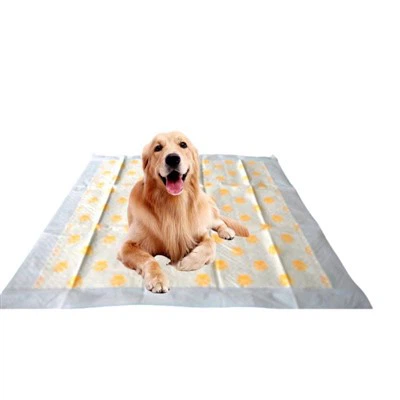
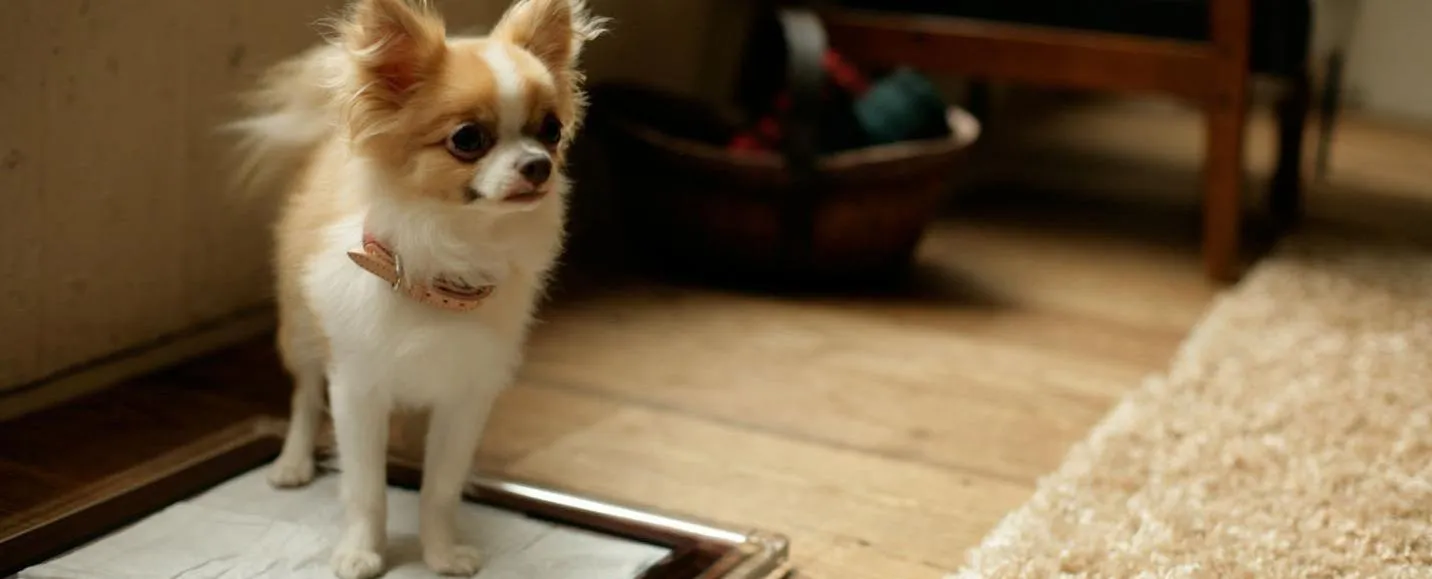
China's pet culture and market are evolving; as people's attitudes shift, more products and services will be based on caring for or even adoring our animal companions. People did not use disposable diapers for babies in the beginning, but they have now become necessary to liberate mothers and protect babies from eczema and red buttocks. Similarly, disposable care pads are becoming more popular among dog owners. The business is booming. People are spending more and more money on pets as the number of pets grows. Disposable pet traning pads, dog diapers, pet wet wipes, pet waste bags, pet shower gel, and other items, in addition to pet food, are in full bloom. Can you imagine China's pet market in the future?