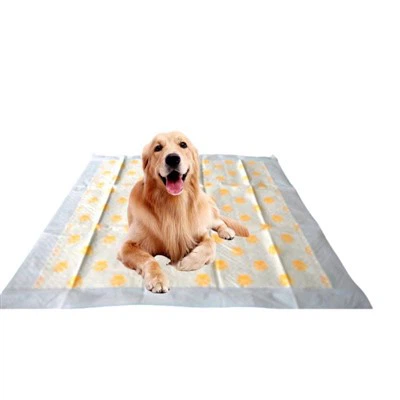
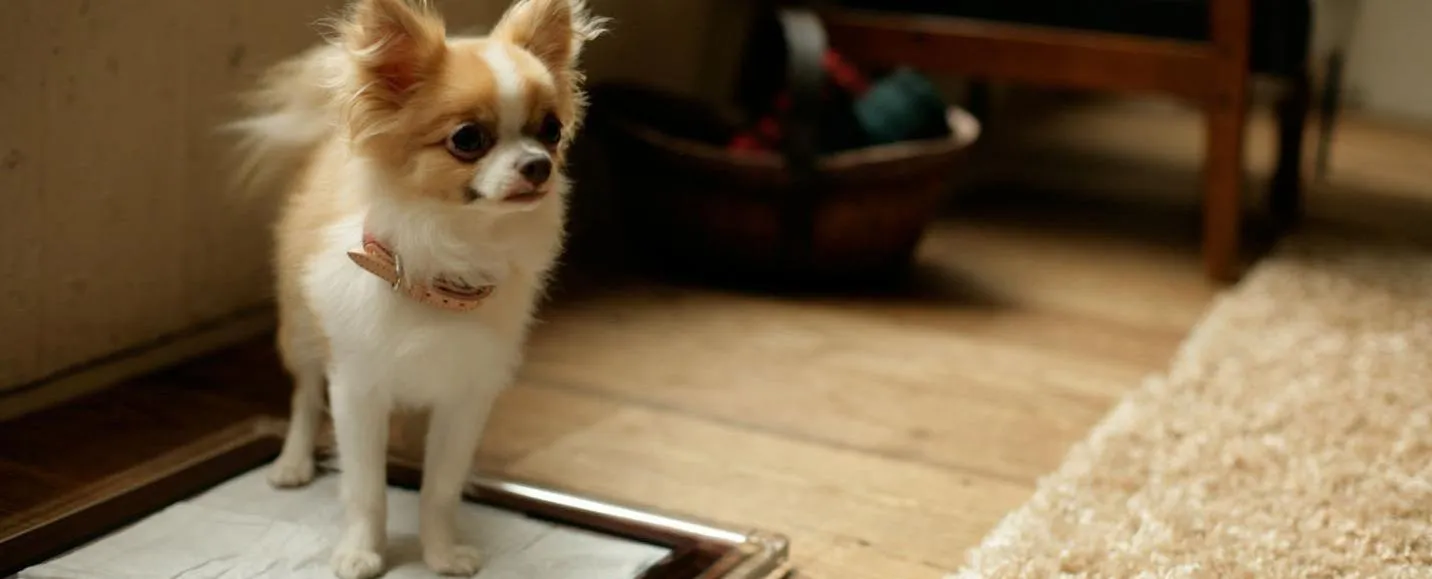
The main differences between disposable and reusable pee pads are as follows:
Material Aspect
- Disposable pee pad
The surface layer is usually made of non-woven fabric material, which is soft, safe, and non-toxic. The non-woven fabric used for HUSHPET disposable pet pee pads is produced by its own factory with strict quality control, not sourced externally.
The middle layer is a highly absorbent polymer material that can quickly absorb and lock in urine, preventing urine leakage. Some disposable pee pads are also added deodorizing agents to reduce odors.
The bottom layer is usually an impermeable PE film, which can effectively prevent urine from penetrating into bed sheets or other items.
- Reusable pee pads
The surface layer is mostly made of pure cotton material, with soft and breathable cotton fibers and excellent skin friendliness. Taking reusable baby pads as an example, a pure cotton surface can reduce friction and irritation to the baby's skin.
The middle layer consists of either absorbent fiber cotton or multiple layers of pure cotton gauze, which are stacked together to improve water absorption performance by increasing thickness and layers.
The bottom layer is usually made of waterproof fabric, such as PU (polyurethane) waterproof fabric, which not only has good waterproof performance, but also is relatively soft and can withstand multiple washes and uses.
Performance Aspect
- Water absorption
Disposable pee pads: Disposable pee pads usually have a faster water absorption rate because their high water absorbing polymers can absorb a large amount of urine in a short period of time and solidify it into a gel, preventing liquid from seeping back. For example, when dealing with sudden large amounts of urine, disposable pee pads can quickly solve this problem.
Reusable pee pads: The water absorption rate is relatively slow, but high-quality reusable pee pads have a larger water absorption capacity. It absorbs urine through multiple layers of absorbent materials or thicker absorbent layers, but the drying effect is worse than disposable pee pads.
- Leak proof
Disposable pee pad: Due to the impermeable PE film bottom layer, as long as it is used correctly, the leakage prevention effect is better when the pee pad has not reached saturation absorption. But if the pee pad is completely soaked in urine or subjected to external pressure, leakage may occur.
Reusable pee pad: Its waterproof bottom layer is reliable in terms of leak resistance as long as it is not damaged after normal use and multiple washes. However, as the usage time and washing frequency increase, the waterproof performance may gradually decline.
- Deodorizing Performance
Disposable pee pads: Some disposable pee pads contain specialized deodorizing ingredients, which absorb urine while adsorbing and decomposing odors to a certain extent, and the effect is quite obvious.
Reusable pee pads: Reusable pee pads generally do not have special deodorizing functions and rely mainly on timely cleaning to maintain cleanliness and no odor. If not cleaned in a timely manner, residual urine will produce a noticeable odor. In addition, thoroughly cleaning urine, including uric acid that is insoluble in water, requires a biological enzyme cleaner.
Convenience Aspect
- Disposable pee pad
The biggest advantage of disposable pee pad is convenience, as it can be thrown away directly after use without the need for cleaning, making it particularly suitable for travel, hospital care, and other scenarios. For example, when taking a baby out, using disposable pee pads and discarding them directly after replacement will not increase luggage burden.
Disposable pee pads are usually sold in separate or bundled packaging, with a small volume and easy to carry.
- Reusable pee pads
Cleaning is required after use, which increases the burden of nursing work. However, many reusable pee pads are now designed to be easier to clean, such as being machine washable, reducing some of the hassle.
Reusable pee pads have a larger and thicker volume compared to disposable pee pads, making them less convenient to carry. However, in daily household use scenarios, this disadvantage has little impact.
Cost Aspect
- Disposable pee pads: The cost of single use is relatively low, but if used frequently for a long time, the overall cost will be relatively high.
- Reusable pee pads: When purchased, the price is relatively high compared to disposable pee pads, but due to their ability to be reused multiple times, the cost is relatively low in the long run.