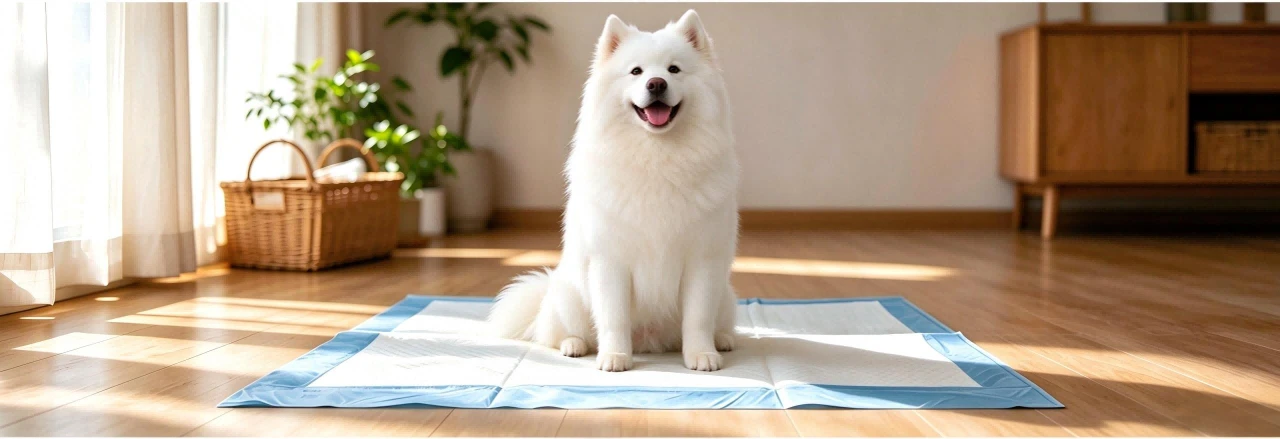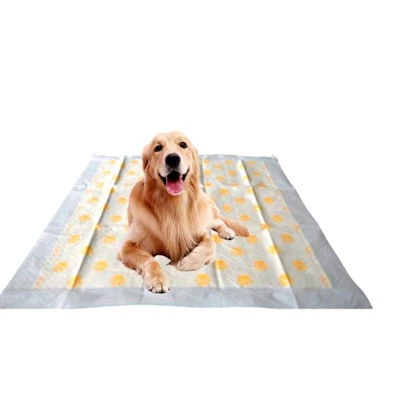
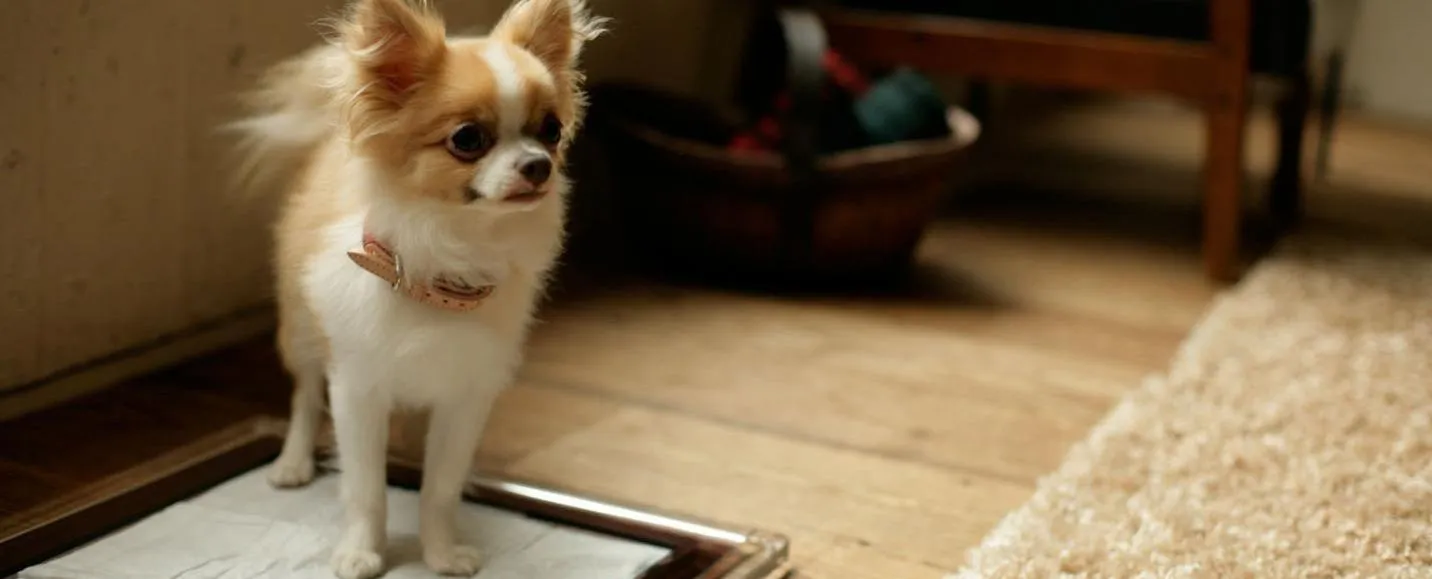

A disposable dog pee pad consists of multiple functional layers from top to bottom: non-woven fabric, tissue paper, SAP, fluff pulp and PE leak-proof film, with each layer performing its respective function. As the core functional material of the entire pad, SAP is the key factor determining the absorbency of pee pads. It undertakes the core task of converting liquid into gel, keeping the pad dry while reducing odour and side leakage.
SAP is a polymer material abundant in hydrophilic groups. Its water absorption mechanism differs from that of sponges, tissue paper and fluff pulp. Sponges merely retain water through capillary action, and liquid backflows under compression. By contrast, SAP particles swell rapidly upon contact with urine and convert liquid urine into stable, non-flowing hydrogel. SAP can absorb water hundreds of times its own weight, boasting an absorption capacity far superior to fluff pulp.
Prevent Back Leakage
After a dog urinates, the top non-woven fabric quickly diverts liquid, fluff pulp spreads urine horizontally, and SAP rapidly solidifies urine to turn flowing liquid into gel. No liquid will squeeze out from the gel even when the dog steps or lies on the pad.
This is the fundamental reason why premium dog pee pads remain dry on the surface after urination. If a pee pad contains no SAP or an insufficient SAP dosage and relies only on wood pulp for absorption, urine will remain trapped within the pulp. The surface stays persistently damp. Dogs will get their paws wet when stepping on the pad and transfer urine onto floors, sofas and dog beds, leading to a substantial increase in cleaning costs.
Reduce Odour
The unpleasant smell of dog urine mainly comes from ammonia. When urine is exposed to air, urea decomposes rapidly and releases ammonia gas, causing pervasive odour. SAP encapsulates urine inside the gel, limiting contact between urine and air, slowing urea decomposition and suppressing ammonia release to deliver basic deodorisation.
Leakage Prevention
The bottom PE film acts as the final barrier, yet it only blocks liquid passively and cannot lock in moisture actively. Without solidification by SAP, liquid urine easily spills over the pad edges and contaminates floors and carpets. Meanwhile, the gel structure improves the overall stability of the pad and reduces the risk of tearing during use.