Adapting to Pets' Physiological Traits to Address "Urgent Toilet Needs"
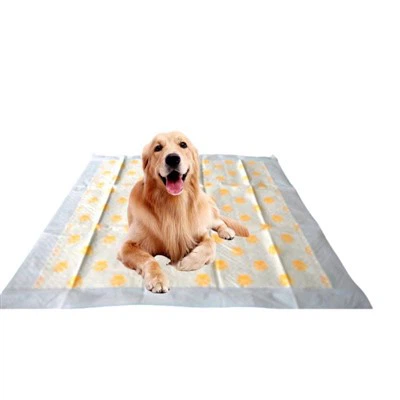
One of the core pain points in pet ownership is that pets cannot control their excretion independently or use a fixed toilet area like humans. Pet pee pads precisely cater to this physiological trait:
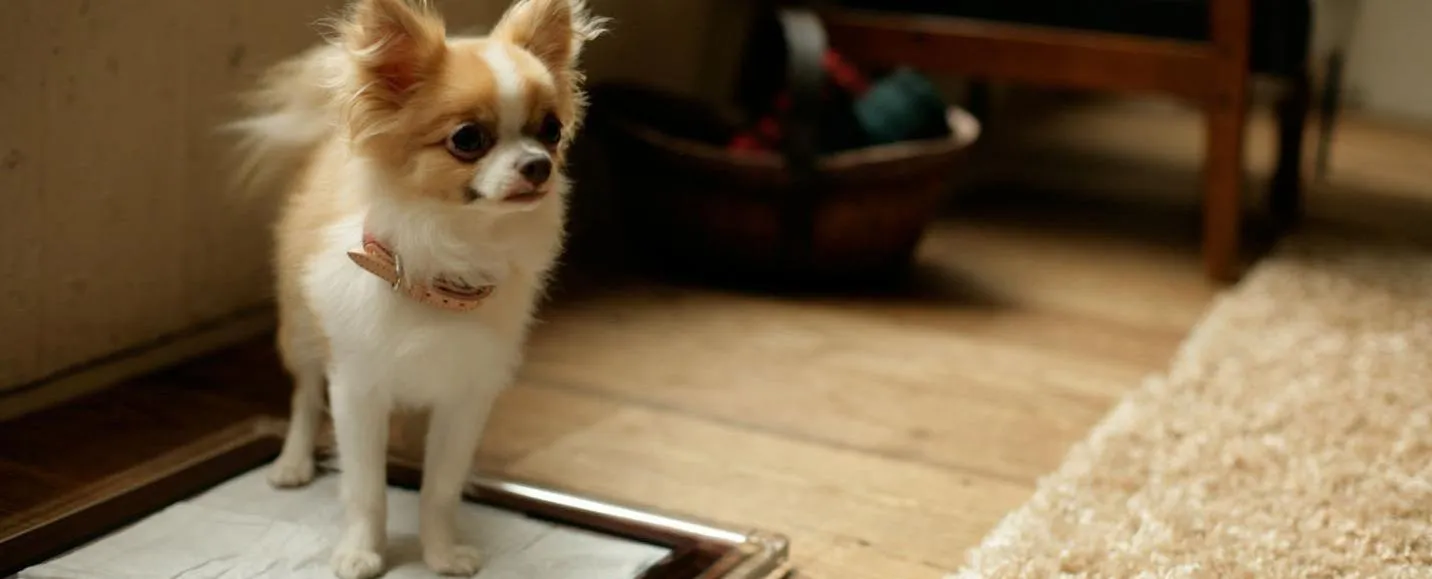
- For puppies and kittens: Their bladders are not fully developed within 3-6 months, requiring 5-8 urinations per day on average. Before completing fixed-point toilet training, they tend to excrete randomly at home. Pee pads act as "portable toilets"-they contain special odor attractants to guide young pets to excrete in designated areas, preventing urine from seeping into floors and corroding furniture.
- For senior pets or sick pets: With age, kidney function declines, joint diseases cause mobility issues, or conditions like diabetes and cystitis lead to frequent urination or incontinence. The super-absorbent layer of dog pee pads (usually containing polymer water-absorbent resin) quickly locks in urine, preventing pets from developing skin inflammation due to wet fur after excretion and reducing the burden of frequent cleaning for owners.
- Even for well-trained adult pets: In extreme scenarios (e.g., heavy rain making outdoor trips impossible, or owners working overtime and returning late), pee pads serve as "emergency toilet areas." This prevents pets from damaging their urinary systems due to holding urine, fundamentally reducing cleaning problems caused by random excretion.

Efficiently Locking Dirt and Preventing Seepage to Reduce Cleaning Difficulty
Ordinary cleaning methods (such as mops and paper towels) often face three issues when dealing with pet urine: "incomplete absorption, residual odors, and stain seepage." The structural design of pet pee pads solves these pain points:
- Material aspect: High-quality dog pee pads usually adopt a "six-layer structure"-the non-woven fabric layer, toilet paper layer, and fluff pulp layer quickly divert urine to prevent pets from spreading dirt by stepping on wet areas. The middle polymer water-absorbent layer can convert urine into a gel-like substance, with an absorption capacity of 50-200 times its own weight and minimal re-seepage. The bottom PE waterproof membrane effectively prevents urine seepage, protecting home surfaces like wooden floors, carpets, and sofas from corrosion and mold.
- Comparison with traditional cleaning: If a pet urinates on a carpet, it needs to be removed, cleaned, and air-dried, taking 2-3 days. Moreover, residual urine alkali may remain due to incomplete cleaning, breeding bacteria. With pee pads, only a single pad needs to be replaced, completing cleaning in 30 seconds. Additionally, deodorizing factors (such as activated carbon and plant extracts) neutralize ammonia odors, preventing indoor odor spread.
Adapting to Diverse Pet Ownership Scenarios to Enhance Life Convenience
The diversity of modern pet ownership scenarios makes pet pee pads a "versatile cleaning aid," covering almost all aspects of pet life:
- Daily home use: For families that do not allow pets on sofas or beds, pee pads can be laid in areas where pets frequently move (e.g., beside cages, on balconies) to prevent accidental excretion. For small apartments, there is no need to set up a separate "pet toilet area"-the portability of pee pads allows flexible adaptation to spatial layouts.
- Outings and travel: When taking pets in a car, pee pads can be laid on seats to prevent pets from soiling seats due to motion sickness (vomiting) or urination. When staying in pet-friendly hotels, pee pads protect hotel bed sheets and carpets, reducing cleaning disputes.
- Special care periods: During pet delivery, pee pads serve as "maternity pads" to absorb amniotic fluid and secretions, keeping the delivery environment clean. After surgery (e.g., sterilization), when pets cannot move frequently, pee pads prevent wounds from getting infected by contact with urine, aiding post-operative recovery.

Assisting in Pet Behavior Training to Establish Good Living Habits
Pet pee pads are not only cleaning supplies but also "behavior training tools," playing a crucial role in cultivating pets' fixed-point toilet habits:The attractants added to pee pads help pets quickly form a conditioned reflex that "pee pads = toilet area." Especially during the training period of puppies and kittens, using pee pads reduces the need for owners to scold pets, making the training process gentler and more efficient. Even for adult pets, if they have excretion disorders due to moving or environmental changes, pee pads can act as "transition tools," helping pets re-adapt to the toilet rules of the new environment and avoiding pet stress reactions caused by excretion problems.
Conclusion: From "Cleaning Tool" to "Pet Ownership Necessity"-Rooted in Dual Care for Pets and Owners
The "essentiality" of pet pee pads essentially lies in their precise solution to the pain points of pet ownership: they not only meet the physiological and psychological needs of pets, reducing health risks caused by excretion but also save time and energy for pet owners, lowering cleaning pressure. This makes the coexistence between humans and pets more comfortable and harmonious, establishing pet pee pads as irreplaceable "essential cleaning supplies" in pet life.
Tianjin Yiyi is China's largest manufacturer of disposable dog pee pads. For procurement inquiries, please feel free to contact us.