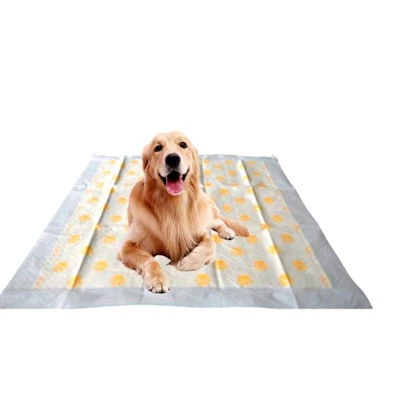
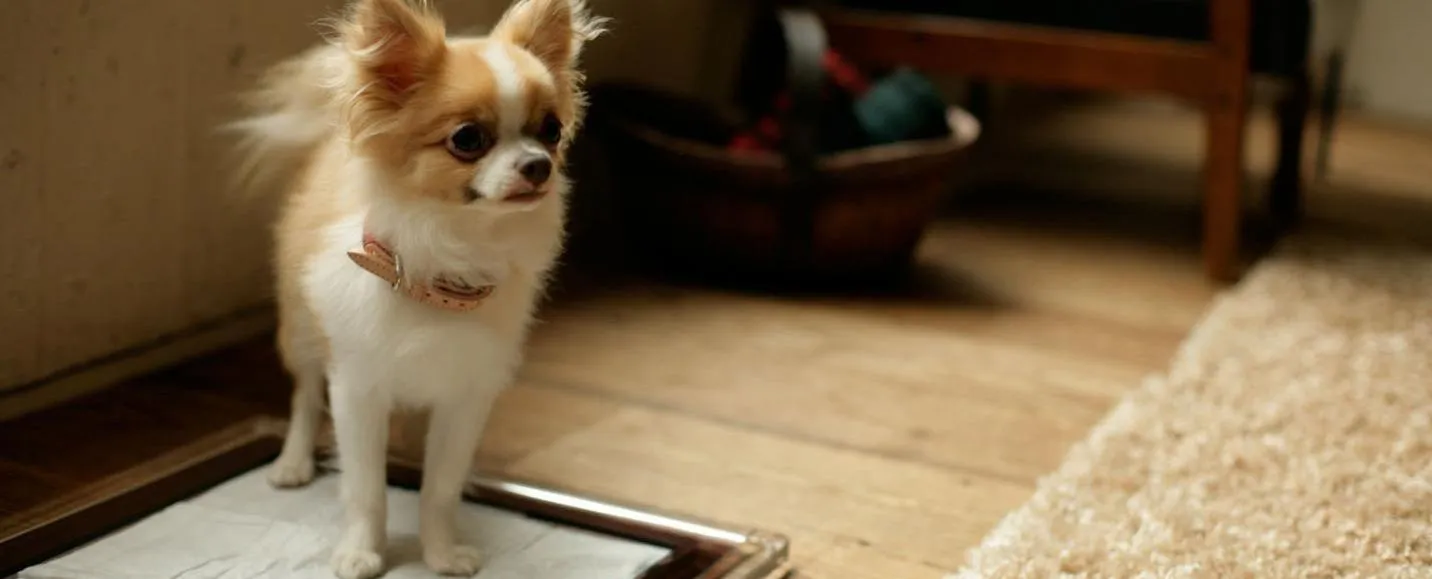

Many puppy owners run into this common problem. Even when potty pads are laid out in advance, puppies will avoid the designated spot and urinate on the floor, corners, or around the pad instead. This issue is usually linked to setup of the space, training methods, cognitive development or health conditions. Root causes can be checked one by one, and the issue can be fixed with proper, science-based guidance.
First, the puppy has not learned what the disposable potty pad is for, meaning potty training is incomplete. Dogs pick their potty spots by scent; they do not know the pad is their toilet. If owners simply lay down a pad without consistent guidance and timely rewards, puppies can hardly form that association. Worse still, some owners scold or punish puppies after accidents. This makes some dogs link relieving themselves to fear. Instead of learning not to pee on the pad, they learn that elimination leads to scolding. As a result, they sneak off to pee elsewhere and deliberately avoid the pad. Inconsistent training, with on-and-off enforcement of rules, also confuses puppies and makes reliable pad use hard to achieve.

Secondly, the puppy may refuse to use the disposable potty pad if it is positioned improperly or the environment makes it feel insecure. A dog's toilet area should be kept separate from food bowls, water bowls and sleeping areas. Eating and resting zones need to be divided from the elimination zone. If the pad is placed in a busy walkway or noisy high-traffic spot, the puppy may feel anxious or easily disturbed and refuse to go there. Frequent relocation of the pad is another issue. Once the puppy gets familiar with the scent marker, moving the toilet breaks the routine, so it cannot build the habit of using the pad in a fixed spot.
Third, instinct and psychological factors can also cause a puppy to avoid using the potty pad. Puppies already accustomed to relieving themselves outdoors will instinctively resist going potty indoors. Events such as heat cycles, environmental changes, new pets at home, moving house and frequent visitors may affect a puppy's state and disrupt its established potty routine.
Fourth, health issues may also lead the puppy to avoid using the potty pad. If a puppy previously used the pad reliably but suddenly starts having accidents, it may be unwell. Urinary tract infections, bladder stones, arthritis and other conditions can cause urinary incontinence or painful urination. The puppy may not make it to the pad in time, or associate the pad with pain and start avoiding it.