
White vinegar can stop dogs from peeing repeatedly in the same spot for a short time. However, for long-term results, disposable dog training pads are needed to train dogs to relieve themselves in a fixed area. Detailed explanations are as follows.
White vinegar can prevent random urination in the short term
Dogs mark their territory via scent. Ammonia odors lingering in urine send a persistent signal telling them "this is an acceptable toilet spot." The main component of white vinegar is acetic acid, which neutralizes ammonia molecules that cause urine odors. It quickly fades residual urine smells and erases the dog's scent memory of the area. Additionally, white vinegar emits a sharp acidic odor. A dog's sense of smell is dozens of times more sensitive than humans'. The strong sour scent triggers an innate avoidance response, so the dog will steer clear of the spot and refrain from urinating there for a short period.
Still, white vinegar has obvious limitations and only offers temporary relief instead of a fundamental solution:
- It evaporates rapidly; the sour smell fades completely within a few hours.
- It only eliminates surface odors. Urine seeped into gaps in hardwood floors, carpet fibers, or tile grout cannot be fully removed by vinegar, and hidden residual odors will keep luring the dog back.
- It cannot correct the dog's improper potty habits-it merely masks odors. Once the acidic scent barrier disappears, inappropriate urination will resume.

Thoroughly eliminate odors to prevent indiscriminate urination
To fully eliminate scent cues that attract your dog back to accident spots, follow these mandatory cleaning steps:
- Blot fresh urine thoroughly with dry tissue to stop liquid from soaking deeper into furniture and flooring.
- Mix white vinegar and clean water at a 1:1 ratio, spray evenly over the stained area, and let it sit for 10 minutes to fully neutralize urine ammonia.
- Wipe the area with clean water, blot up all moisture with dry towels, and open windows to speed up evaporation.
- For carpets or hardwood floors heavily saturated with urine, use a specialized pet enzymatic cleaner for deep, thorough cleansing.
Once odor removal is finished, isolate the accident zone with pet playpens to block your dog's access. Meanwhile, guide your dog to its dedicated potty area.

Carry out potty training to prevent random indoor peeing
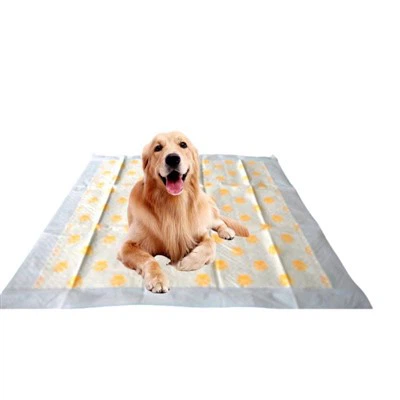
White vinegar erases old urine scents, while disposable dog training pads create a new, fixed potty zone. Combining the two delivers long-term results, with the pads offering prominent advantages:
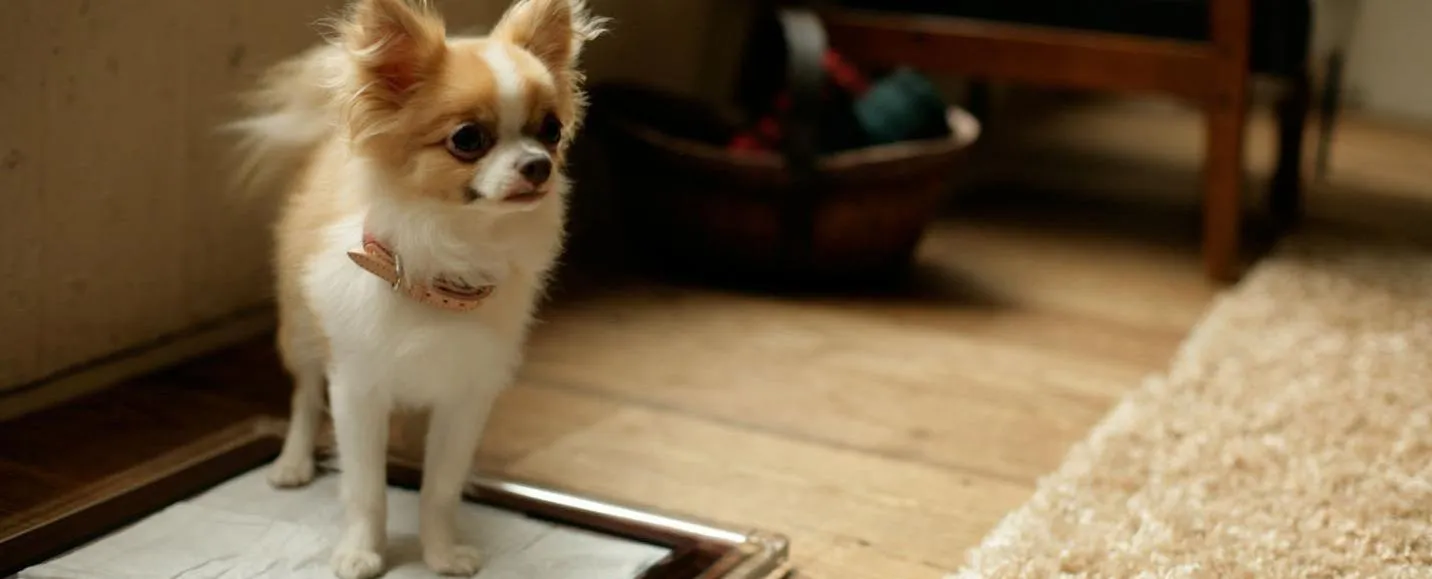
- Build consistent potty habits: Lay disposable training pads in fixed locations such as balconies or bathrooms. Immediately reward your dog with treats and praise after it pees on the pad. With repeated training, the dog will form a stable potty routine and stop seeking random corners to mark territory.
- Fast absorption & odor locking: High-quality disposable pet training pads adopt a multi-layer absorbent structure that locks in urine quickly, preventing leakage, backflow and odor buildup. Simply replace the pad with a new one once fully saturated, eliminating scent triggers that lure dogs to relieve themselves indoors at the source.

Summary
White vinegar can temporarily stop dogs from urinating in the same spot by neutralizing ammonia urine odors and covering territorial scent marks, yet it only addresses symptoms, not the root cause. Inappropriate urination will almost always recur once the vinegar scent evaporates. For permanent, thorough resolution, pair vinegar cleaning with disposable dog training pads to standardize your dog's potty zone, plus specialized pet enzymatic deodorizers to deep-clean heavily soiled, strongly odorous areas. This combo will put an end to your dog's indoor peeing troubles for good.