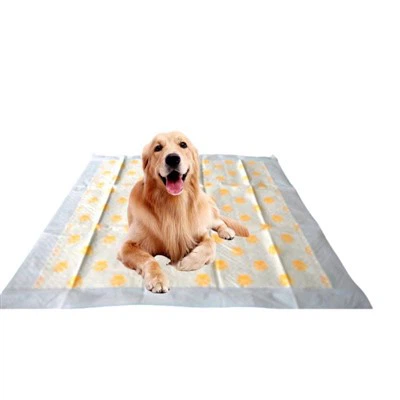
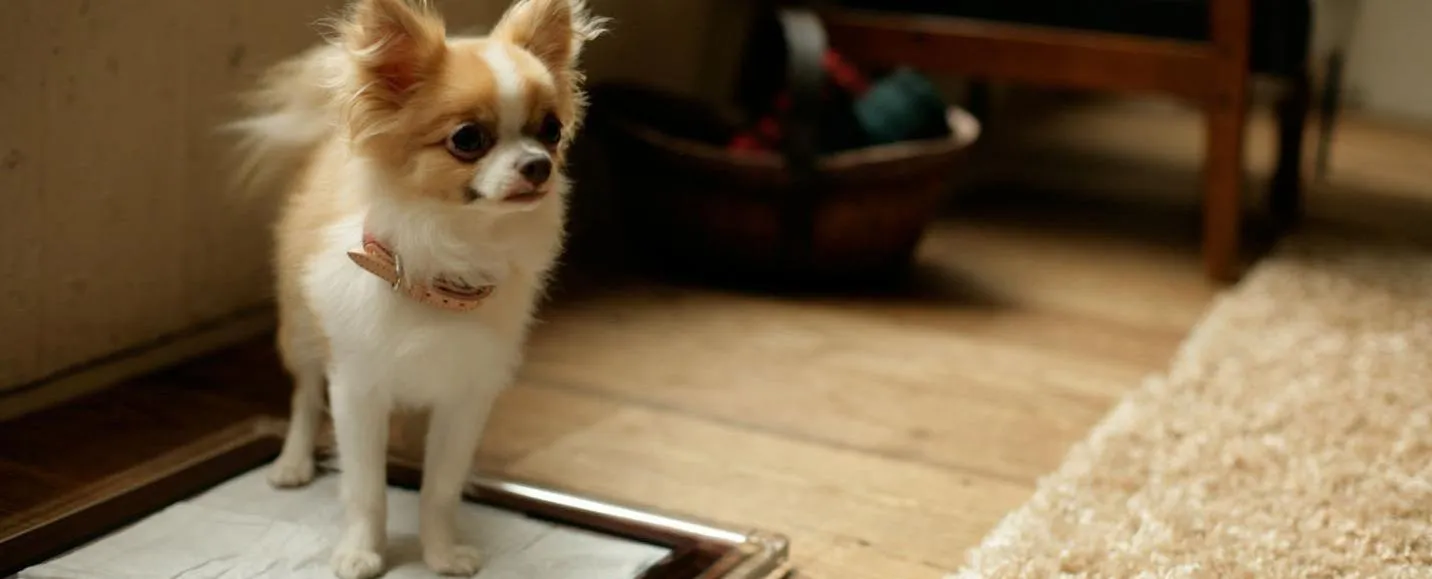
In general, it is not recommended to completely replace cat litter with cat pee pads. Although both can be used to handle cats' excretion, they have obvious differences in functions, cats' acceptance, and application scenarios, which can be analyzed from the following aspects:
Cats' physiological habits and acceptance
- Cats are naturally fond of burying their excrement. This is an instinct developed in their wild survival to cover their own scent and avoid being detected by natural enemies. The granular texture of cat litter can satisfy cats' need to dig and bury with their paws, giving them a sense of security after excretion.
- However, cat pee pads have a smooth texture and lack particles for cats to dig. Most cats will have a resistant attitude towards such an "unburiable" environment, may refuse to excrete on the pee pads, and then urinate or defecate anywhere. Adult cats, in particular, are more dependent on cat litter, making it extremely difficult to switch to pee pads.
Functional limitations
- Poor ability to handle feces: Although cat pee pads can absorb urine, they cannot cover the odor of cats' feces by burying like cat litter. Exposed feces will cause the odor to spread quickly, and cleaning is more troublesome as it requires manual picking up, which is easy to pollute the environment.
- Absorption efficiency and dryness retention: Although high-quality cat pee pads have good water absorption, when cats urinate frequently, the pee pads are prone to saturation and rewetting, resulting in a damp surface. This may make cats feel uncomfortable and then unwilling to use them again. In contrast, cat litter (especially clumping cat litter) can quickly absorb urine and form clumps, facilitating timely cleaning and keeping the litter box relatively dry.

Differences in applicable scenarios
- Cat pee pads are more suitable for specific scenarios, such as:
(1) When kittens have just been weaned and haven't learned to use cat litter, they can be used as a transitional tool temporarily;
(2) When cats are sick or have difficulty moving after surgery and cannot enter the litter box, placing pee pads can facilitate care;
(3) When carrying cats out, they can be temporarily placed in airtight boxes or portable cages for emergency use;
(4) They can be placed in double-layer litter boxes to absorb urine leaked from cat litter, or at the bottom of single-layer litter boxes as an auxiliary absorption tool to reduce the difficulty of cleaning the litter box.
- Cat litter, on the other hand, is the first choice for long-term home breeding of cats. It can better adapt to cats' daily excretion needs and maintain the cleanliness and fresh smell of the home environment.
In summary, cat pee pads cannot completely replace cat litter; they are suitable as auxiliary cleaning supplies.