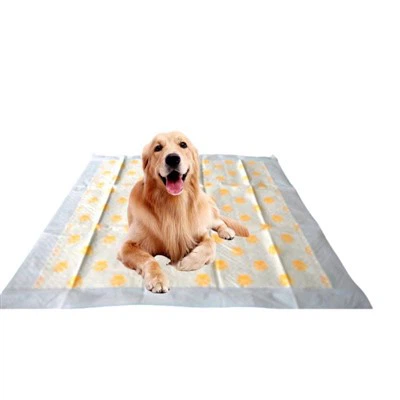
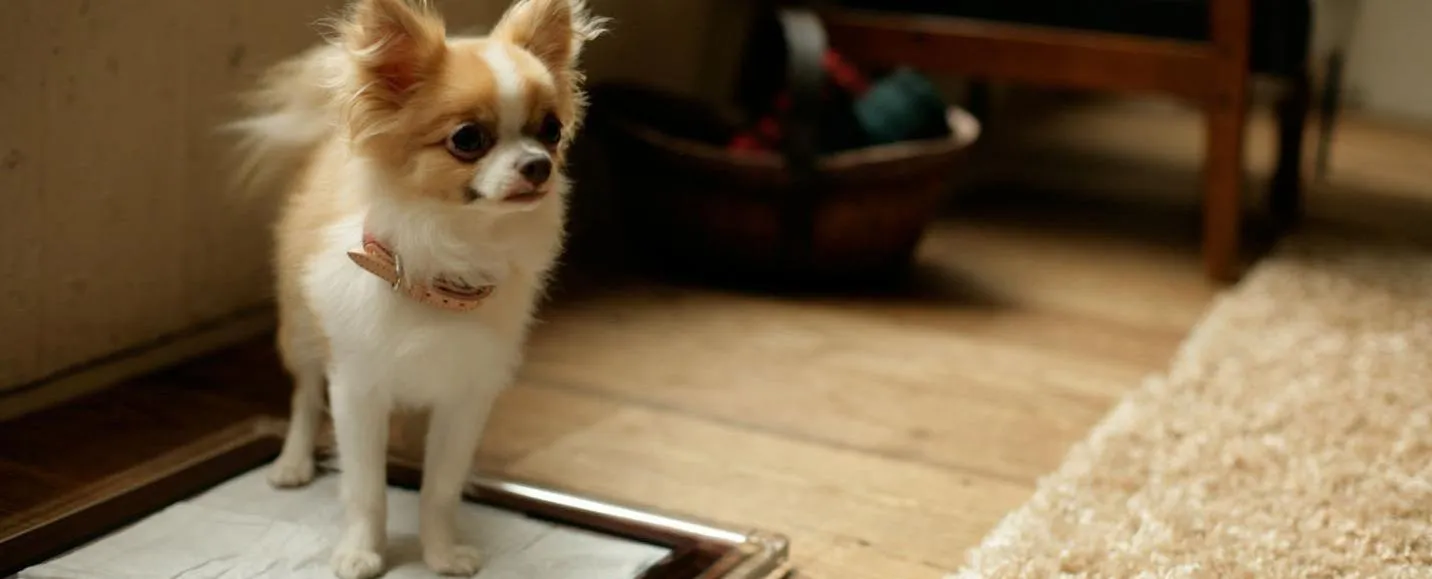
Dogs tearing up pee pads is a common behavioral issue, usually related to curiosity, boredom, or their instinct to chew on certain materials. It can be gradually guided and corrected through the following methods:
Identify the Reasons Behind the Behavior
1. Boredom or excess energy:Puppies or active breeds (such as Border Collies, Golden Retrievers) may release energy through chewing if they lack exercise and interaction.
2. Curiosity about the material: The texture and smell of pee pads (especially when there is urine residue) may arouse dogs' desire to explore, and chewing can become a habit because it is "fun".
3. Territory marking behavior: A few dogs will tear up pee pads and mix their own scent to strengthen their sense of territory.

Targeted Solutions
1. Reduce Opportunities for Chewing and Use Physical Intervention
Use anti-chew pee pads: Choose anti-chew dog pee pads with bitter apple extract to prevent dogs from continuous chewing.
2. Consume Energy and Divert Attention
- Increase exercise: Ensure sufficient walking time every day (at least 30 minutes for small dogs, 1-2 hours for large dogs depending on their size), and combine with interactive games (such as fetching, tug-of-war) to let dogs release energy and reduce destructive behaviors caused by boredom.
- Provide alternative toys: Place the dog's favorite chewing toys (such as teething sticks, chew gels) near the pee pad. When it approaches the pee pad ready to tear it up, attract its attention with the toy, so that it understands that "tearing the pee pad is wrong, but chewing the toy is allowed".
3. Positive Guidance and Training
- Stop and guide in time: When the dog starts to tear the pee pad, say "no" in a deep voice or gently pat its mouth (with moderate force, just to stop the behavior), then immediately take it away from the pee pad area and hand over a toy at the same time, so that it associates "tearing the pee pad" with "being stopped" and "chewing the toy" with "being allowed".
- Reward correct behavior: If the dog does not tear the pee pad after excretion on it, immediately reward it with snacks (such as freeze-dried treats, small meat strips) and praise ("good boy" + petting) to strengthen its "correct behavior".
4. Improve the Environment and Mental State
- Keep the pee pad area clean: Regularly clean the floor where the pee pad is placed to avoid residual odors stimulating the dog; try to fix the pee pad in a corner and do not change its position frequently, so that the dog forms the cognition that "this is the excretion area, not the play area".
- Relieve separation anxiety: If the dog only tears the pee pad when left alone, it may be caused by separation anxiety. You can leave old clothes with the owner's scent before leaving, or use an automatic food dispenser to distract it, and gradually reduce its unease.
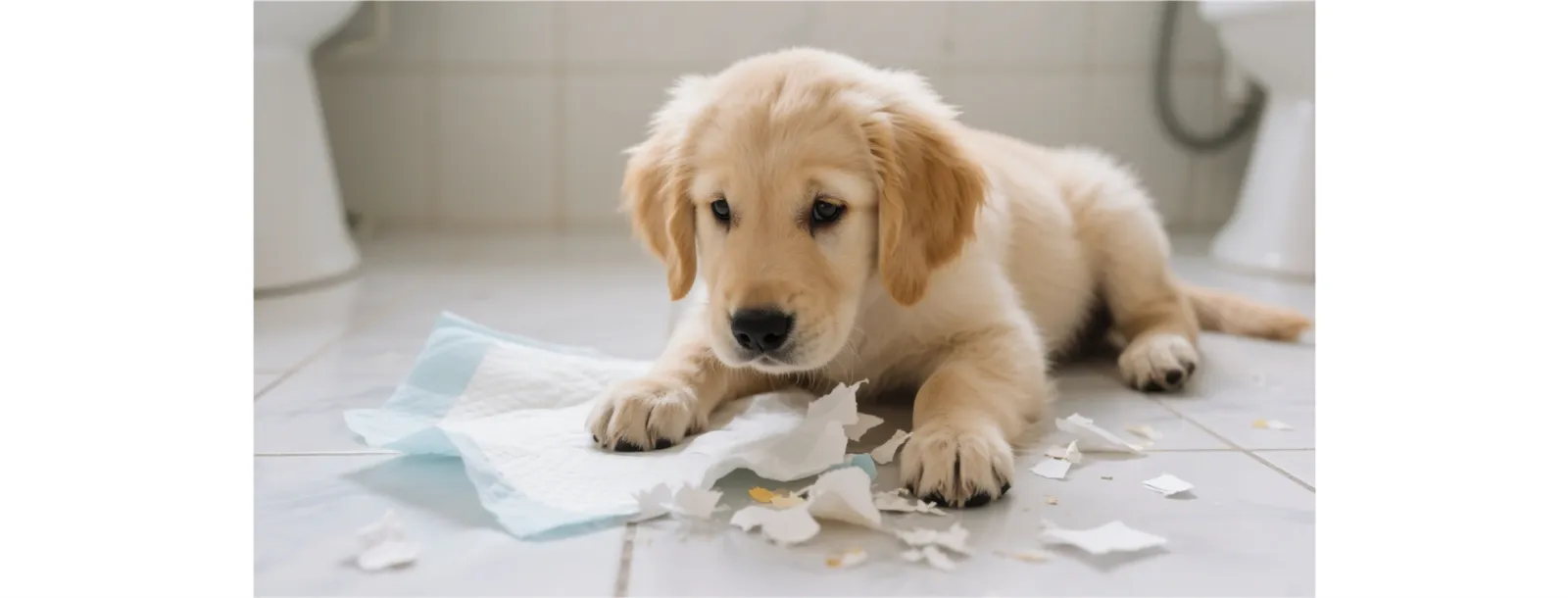
Note to Avoid These Misunderstandings
- Do not severely punish the dog (such as hitting or scolding) after it tears up the pee pad, as this may make it afraid of excretion and instead lead to inappropriate urination.
- Puppies have poor self-control, and correction takes time. It requires patience and repeated guidance, and improvement is usually seen after 1-2 weeks of persistence.
Through the combination of "reducing opportunities + diverting attention + positive rewards", most dogs will gradually give up the habit of tearing up pee pads.