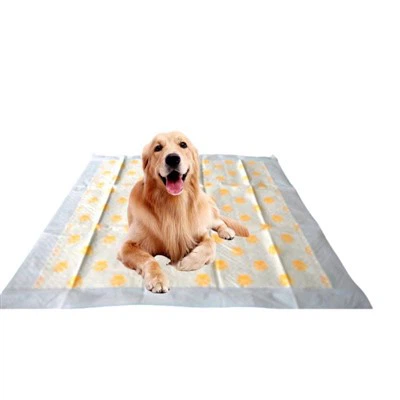
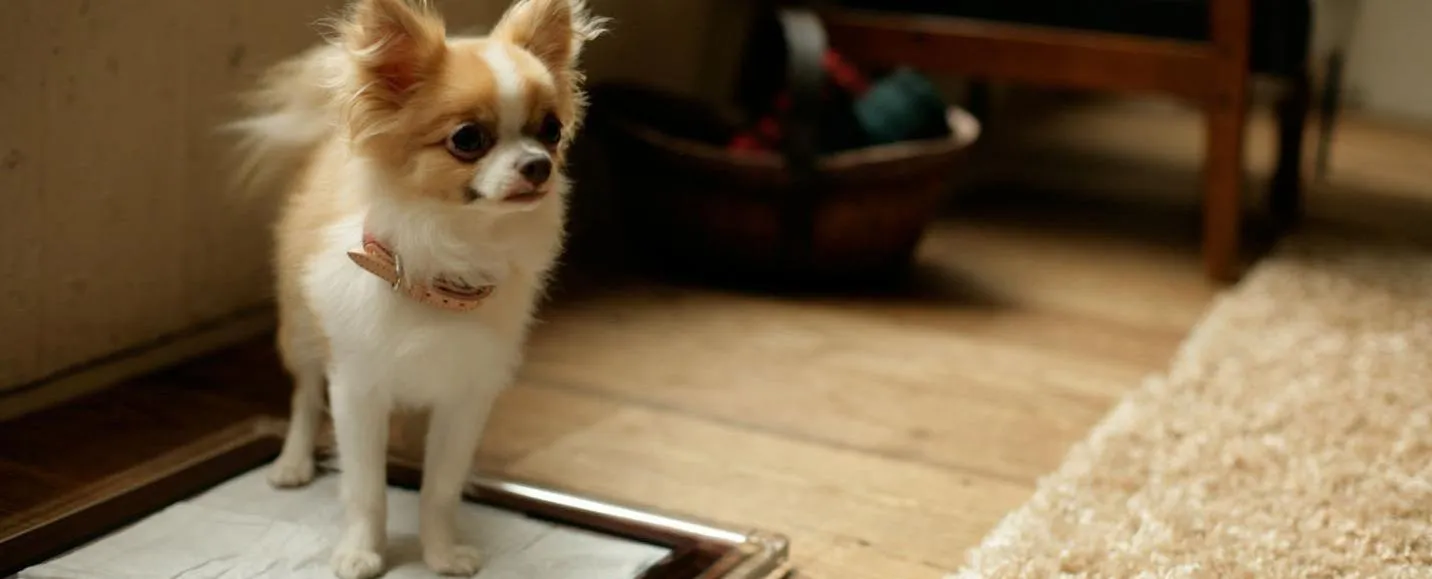
Leakage in disposable dog pads is not caused by a single factor; it is usually closely related to the product's own design, usage compatibility, pet behavior, and operation methods. Specifically, it can be divided into the following categories:
Causes Related to Product Design and Quality
- Defects in leak-proof structure: The waterproof PE film at the bottom is insufficient in thickness, damaged, or poorly bonded and sealed, failing to effectively block liquid penetration.
- Insufficient water absorption performance: The content of polymer materials in the water-absorbing core is too low or of poor quality, and the absorption rate fails to meet the standard, making it impossible to lock in liquids quickly; the unreasonable ratio of fluff pulp to polymer leads to slow liquid infiltration, which is prone to surface overflow.
- Unreasonable surface liquid-guiding design: The lack of a textured liquid-guiding structure on the surface prevents liquids from quickly penetrating down to the absorbent core. Liquids remaining on the surface are prone to spreading and leaking when stepped on by pets.

Issues with Usage Scenarios and Compatibility
- Inappropriate size selection: Failing to choose a suitable size based on the pet's body type. When a small-dog pad is used for a large dog, the coverage area is insufficient, and urine is likely to exceed the range of the pad; when a puppy pad is used for an elderly dog (which has a larger urine output), the water absorption capacity is insufficient, leading to leakage.
- Inappropriate placement environment: Placing the pad on an inclined surface or a slippery surface. After the pad shifts, the pet's urination position deviates from the core water-absorbing area.
Impacts of Pet Behavior and Physiological Characteristics
- Special urination behavior: Some pets are used to lifting their legs to urinate or urinating at the edge of the pad, making it easy for liquids to splash out directly or exceed the range of the side guards.
- Abnormal urine output: Elderly dogs with renal function decline, puppies that have not developed a regular urination habit, or pets that drink too much water may have a single urination volume exceeding the rated absorption capacity of the pad. Leakage occurs when the core is saturated.
- Damage caused by chewing or scratching: When a pet chews the pad, the surface and absorbent core are damaged, and liquid leaks directly from the damaged area; scratches from the pet's paws cause cracks in the pad, damaging the leak-proof structure.

Improper Human Operation and Maintenance
- Infrequent replacement: If the pad has absorbed urine multiple times and reached a saturated state but is not replaced in time, the core cannot lock in additional liquid, resulting in leakage.
- Incorrect laying method: Failing to lay the pad flat and smooth, as wrinkles form channels for liquid accumulation; some non-slip pads with adhesive are not pasted and fixed properly, causing the pad to shift when the pet moves, and the urination position deviates from the effective area.