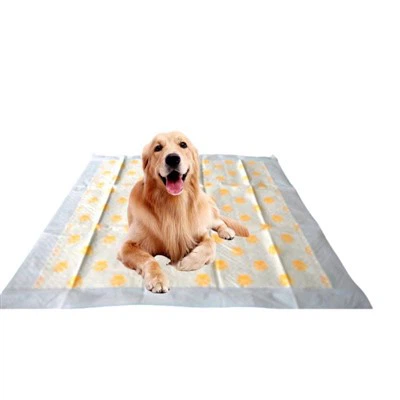
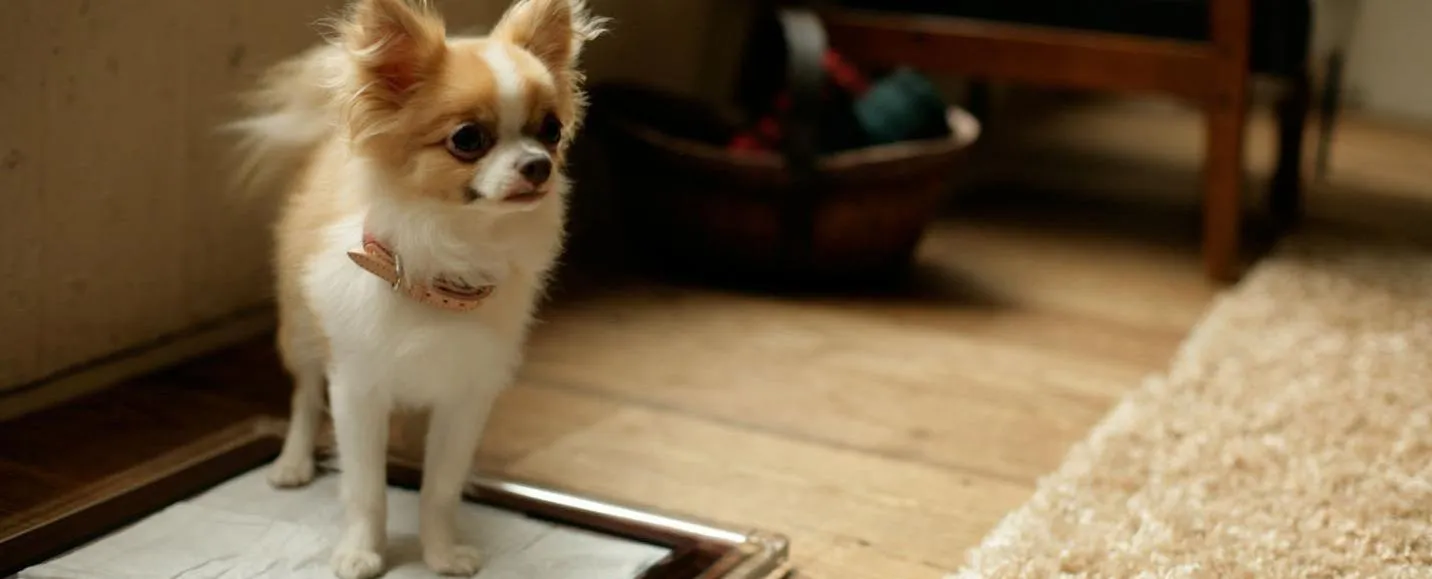
Misconception 1: Prioritizing Thickness Over Absorption Capacity
- Misconception:"The thicker the pee pad, the better its absorption capacity" - people assume that a bulky pad can hold more liquid.
- Reality:The absorption capacity of a dog pee pad depends primarily on the quality of its absorbent core materials (such as superabsorbent polymer (SAP) and fluff pulp), rather than thickness alone. Some low-quality thick pads are filled with cheap, recycled fluff pulp with poor water absorption. Though they feel bulky to the touch, they have weak water-locking ability and are prone to reverse osmosis, leaving wet dog footprints on the floor.
- Buying Guide:Focus on the liquid absorption capacity of the dog pee pad (e.g., "absorbs X cups of liquid") instead of thickness, which is just a visual and tactile trait.

Misconception 2: Ignoring Pet-safe Material Standards
- Misconception:All pee pads have more or less the same composition, so there is no need to pay much attention to their material ingredients.
- Reality:Low-priced, inferior pee pads may contain irritating chemicals and recycled, bleached pulp with impurities. Contact with such pads can easily cause skin allergies and rashes in dogs; what's more, there is a risk of accidental poisoning if dogs chew and ingest the pads.
- Buying Guide:Prioritize safe dog pee pads made from sustainable, clean raw materials, and certified to pass tests for fluorescent agents, heavy metals, formaldehyde and other harmful substances.