I. Purchasing-related Questions
1. How to choose the right size of dog pads for dogs?
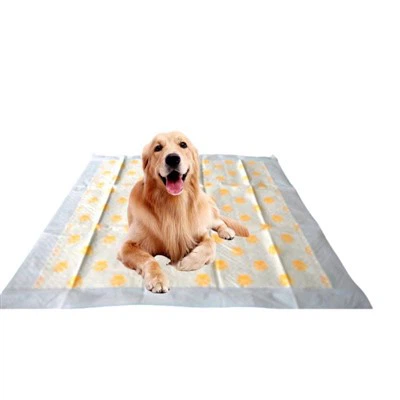
Measure the length and width of the dog while it is standing. For small - breed dogs (such as Poodles and Chihuahuas), it is recommended to choose dog pads about 45cm×30cm; medium - breed dogs (such as Shiba Inus and Beagles) are suitable for 60cm×60cm pads; large - breed dogs (such as Golden Retrievers and Labrador Retrievers) need pads of 90cm×60cm or even larger sizes to ensure that the dogs have enough space to excrete and urine will not overflow.
2. Are dog pads with more layers better?
Not necessarily. The core functions of dog pads are water absorption and leakage prevention. High - quality pet pads usually consist of a liquid - guiding layer, an absorption layer, and a waterproof layer. The key is to focus on the materials, such as the water absorption speed of the liquid - guiding layer, the content of superabsorbent polymer in the absorption layer, and the leakage - prevention effect of the waterproof layer.

3. Are scented puppy pads harmful to dogs?
The chemical fragrances added to some scented dog pads may irritate a dog's sense of smell, causing discomfort or even allergic reactions. If you need to cover up odors, it is recommended to choose dog pads with natural deodorizing ingredients (such as bamboo charcoal), or use odorless pet potty pads together with pet - specific deodorants.
II. Usage - related Questions
1. How to train a dog to use pee pads?
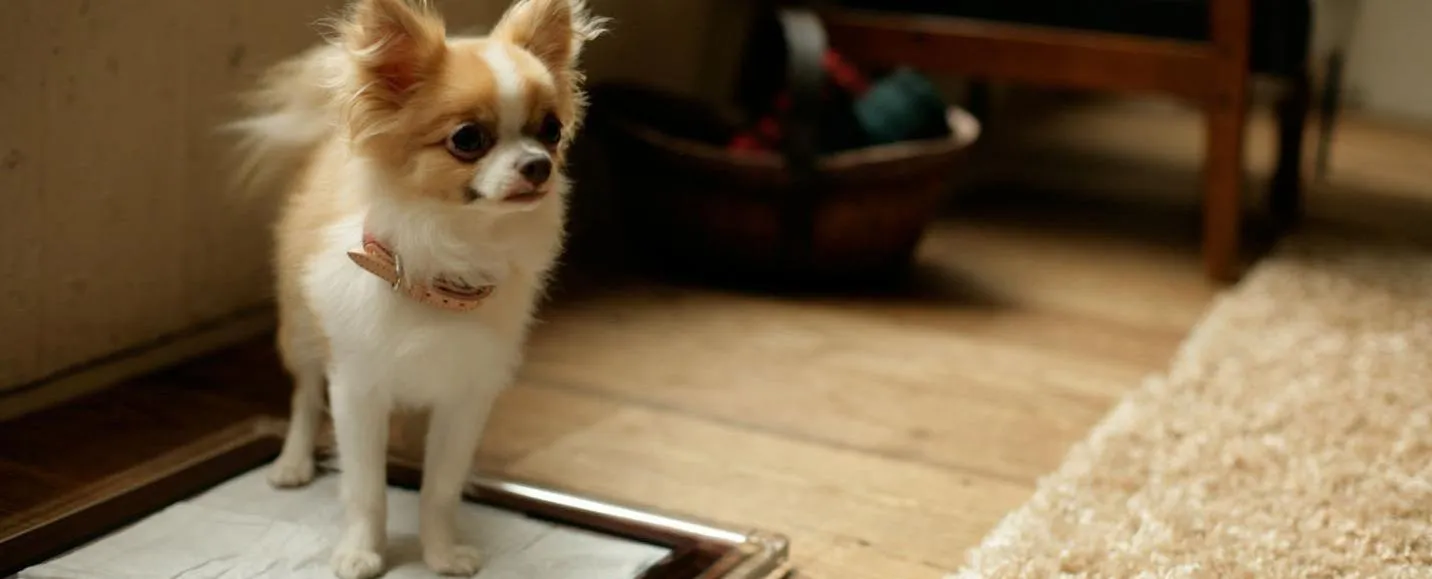
Place the dog pad in a fixed location where the dog often excretes, and you can smear a small amount of the dog's urine on it as an inducement. When the dog shows signs of excretion (such as circling or sniffing the ground), guide it to the urine pad. Once it succeeds, immediately give it treats and praise. If the dog excretes elsewhere, clean the area thoroughly and remove the odor to avoid attracting the dog again.
2. How often should dog pads be replaced?
It depends on the dog's urine volume and the absorbency of the dog pad. Generally, if the surface of the pad still looks wet 10 minutes after absorption, it's time to replace it. Or lift the pad, and if most of the area at the bottom has darkened, indicating that it has absorbed a large amount of liquid, it should be replaced. If the pet pad is saturated but not replaced, urine is likely to seep back or overflow, soiling the surrounding environment.
3. Can dog pads be reused?
Disposable dog pads are not recommended for reuse because their absorption capacity decreases and they are prone to breeding bacteria, which affects hygiene.

III. Storage - related Questions
1. How to store pet pads?
Unopened dog pads should be stored in a dry and cool place, away from direct sunlight and humid environments to prevent the waterproof layer from aging and the absorption layer from failing. After opening, the dog pads also need to be stored in a sealed manner to prevent dust and bacterial contamination.
IV. Other Questions
1. What if the dog refuses to use the dog pad?
It may be due to an inappropriate location of the dog pad, unfamiliar smell, or improper training methods. You can try changing the location of the dog pad, such as placing it in a quiet and hidden corner; replacing the dog pad with one of a different material or brand; and strengthening positive training, guiding the dog patiently without scolding or hitting.
2. Can dog pads completely replace taking the dog for walks?
No. Dog pads mainly solve the problem of indoor excretion. However, dogs need to meet their exercise, social, and exploratory needs through outdoor walks, which also helps them defecate and urinate. Long - term lack of outdoor walks may lead to behavioral problems and health risks in dogs. It is recommended to ensure an appropriate amount of walking time every day.