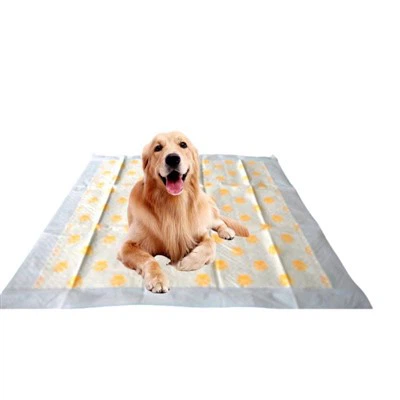
I. How to Choose Suitable Disposable Bed Pads for the Elderly?
Select by Absorption Capacity
- Mild Incontinence (small urine volume): Choose pads with an absorption capacity of approximately 500–1000ml, suitable for daily activities or mild leakage.
- Moderate Incontinence (moderate urine volume): Opt for pads with 1000–2000ml absorption capacity, ideal for bedridden elders or those with frequent urination.
- Severe Incontinence (large urine volume): Prioritize thickened pads with over 2000ml absorption capacity, or use them with adult diapers to avoid side leakage.
Focus on Material and Breathability
- Top Layer: Choose soft, skin-friendly non-woven fabric or cotton-like material to reduce friction and prevent pressure sores.
- Bottom Layer: Must include a waterproof PE film to prevent leakage and protect clothing/bedding; ensure the bottom is breathable to avoid stuffiness and moisture.
- Core Layer: High-quality pads contain superabsorbent polymer (SAP) with fast absorption and strong water-locking capabilities to prevent backflow.
Size Matching
Choose based on the elder's body type. Common specifications:
- Small (approx. 60cm×90cm): Suitable for thin elders or those using wheelchairs.
- Medium (approx. 80cm×120cm): Universal size for most bedridden elders.
- Large (approx. 100cm×140cm): For overweight elders or those needing full-body protection.
II. How to Use Elderly Pee Pads Correctly?
Laying Method
- For Bed Use: Spread the disposable adult underpad flat on the bedsheet, ensuring the central absorbent layer aligns with the elder's buttocks. Press the waterproof bottom firmly against the sheet to avoid wrinkles and side leakage.
- For Wheelchair/Seat Use: Fold a suitable-sized pad and place it on the seat, with edges slightly extending beyond the seat to prevent urine from flowing onto the chair surface.

Replacement Frequency
- Routine: Check every 2–4 hours. Replace immediately if the pad is saturated (surface feels damp) to avoid skin irritation from prolonged urine contact.
- Special Cases: Increase replacement frequency during diarrhea, heavy sweating, or concentrated urine. Clean the buttocks with warm water, dry thoroughly, and apply barrier cream (e.g., petroleum jelly, zinc oxide ointment) for protection.
Combination with Other Care Products
Pair with adult diapers or urine bags for elders with limited mobility or severe incontinence to reduce pad replacement frequency.
For long-term bedridden elders, use pressure-relieving mattresses to minimize local pressure and reduce the risk of pressure sores.
III.How to Care for an Elder's Skin When Using Disposable Underpads?
Cleaning Tips
Gently wipe the perineal area, buttocks, and inner thighs with warm water or non-irritating wet wipes during each pad change. Avoid rough rubbing.
After drying, apply petroleum jelly, zinc oxide ointment, or specialized barrier cream to form a protective layer against urine irritation.
Skin Problem Prevention
- Keep Dry: Ensure the pad surface stays dry to prevent bacterial growth; improve ventilation in summer to reduce stuffiness.
- Regular Repositioning: Turn bedridden elders every 2 hours and massage pressure points to promote blood circulation and prevent pressure sores.
- Skin Monitoring: Seek medical advice promptly if redness, itching, or ulcers occur. Temporarily discontinue pad use and switch to more breathable care products if necessary.
IV. Common Issues with Disposable Underpads and Solutions
| Issue | Possible Causes | Solutions |
|---|---|---|
| Side Leakage/Seepage | Incorrect pad size, uneven laying, delayed replacement | Choose proper size, lay flat without wrinkles, replace more frequently |
| Skin Redness/Itching | Irritating material, delayed replacement, poor cleaning | Switch to soft, breathable pads; enhance cleaning and apply barrier cream |
| Pad Slippage | Inadequate non-slip design or uneven bedsheet | Choose pads with non-slip granules or place a non-slip mat under the pad |
| Strong Odor | Slow absorption, weak water-locking ability | Switch to high-absorption pads with SAP; replace promptly |
V. Storage and Eco-Friendly Disposal
Storage Guidelines
Store in a cool, dry place away from direct sunlight or moisture. Use opened pads within a short period to prevent material deterioration from humidity.
Eco-Friendly Disposal
Disposable Bed Pads: Classified as dry waste (other waste). Wrap used pads tightly before discarding to avoid environmental contamination.

VI. When to Seek Medical Advice?
Consult a doctor promptly if the elder experiences:
- Frequent incontinence accompanied by painful urination, hematuria, or strong urine odor;
- Unhealed skin ulcers, infections, or pressure sores;
- Anxiety, depression, or social withdrawal due to incontinence.
By scientifically selecting and using adult pads, combined with meticulous skin care, the quality of life for elders can be effectively improved while reducing the burden on caregivers. For special care needs, consult professional healthcare providers or nutritionists for personalized solutions.