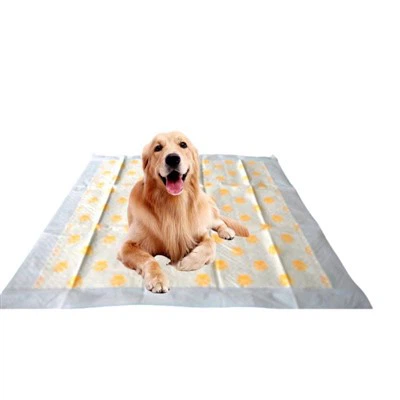
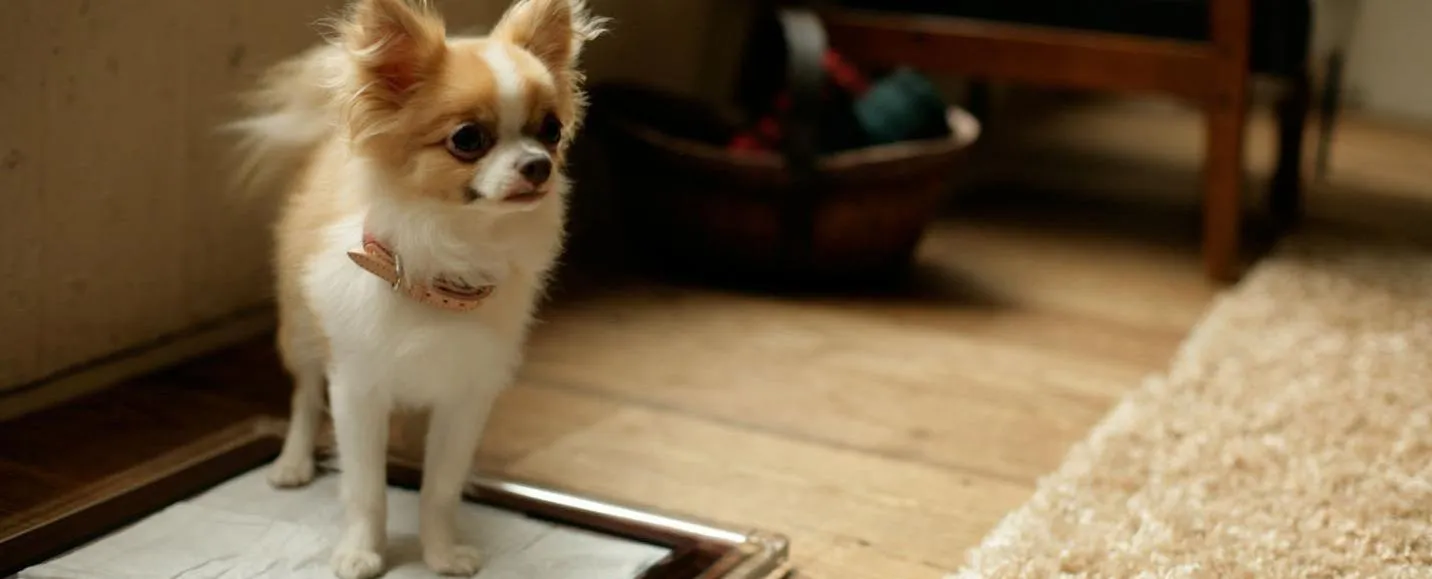

There is no universal fixed interval for replacing dog pee pads. Service life of a dog potty pad is affected by a dog's age, body size, single urination volume, usage environment and inherent pad quality. Replacement timing is determined by actual pad conditions. The four intuitive signs below can act as reference criteria.
1. Accumulated Water on the Surface
Once internal absorbent material reaches saturation, water marks remain on the surface and the absorbent layer forms clumps and bulges. Urine easily adheres to paws and fur during dog movement and gets tracked throughout living spaces. Immediate replacement is required upon observation of this condition.
2. Noticeable Urine Odour
Distinct ammonia odour signals decomposition of trapped urine and massive bacterial proliferation. Continued use contaminates indoor air, and prompt replacement is necessary once this odour develops.

3. One Pad in Use for a Full Day
Regardless of visual cleanliness, continuous use of a single pad for an entire day is not recommended. Prolonged placement allows bacterial decomposition of urine metabolites and creates hygiene hazards. Same-day replacement is advised.
4. Faded Diamond Pattern and Darkened Colour on the Reverse Side
The pad bottom can be inspected by flipping the pad over. Faded or vanished diamond texture and obvious darkening of the PE leak-proof backing indicate urine has penetrated the upper absorbent layer and reached the leak-proof film. Absorption capacity approaches saturation with imminent leakage risk, requiring timely replacement.
Proper pad replacement following these standards maintains a clean environment, reduces odour and bacterial growth, and protects canine skin health.