To get dogs to adapt to and like using disposable pee pads, it requires combining their habits, sensory preferences, and positive guidance to gradually establish a conditioned reflex that "pee pads = safe toileting area". Here are the specific methods:
Choose the Right Dog Pad to Reduce Instinctive Resistance
A dog's "first impression" of a potty pad matters a lot, so it's important to reduce their resistance from the start:
Choose the right type:
Prioritize fragrance-free and fluorescent agent-free pee pads (to avoid chemical odors irritating their sense of smell).
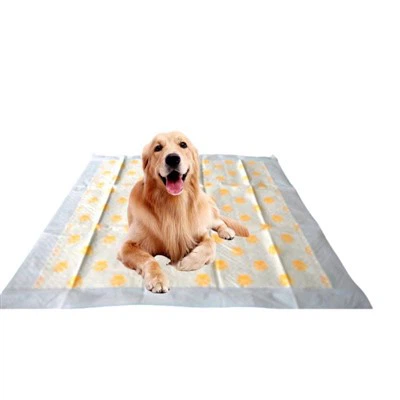
Proper size:
Select a size based on the dog's body type, ensuring that when the dog stands on it, their entire body is within the pad's range. This prevents urine from leaking over the edges (leakage can make the dog feel "this isn't useful").

Place It Correctly to Align with Toileting Habits
Dogs have natural preferences for "toileting locations"; proper placement can reduce their resistance:
Away from "core living areas":
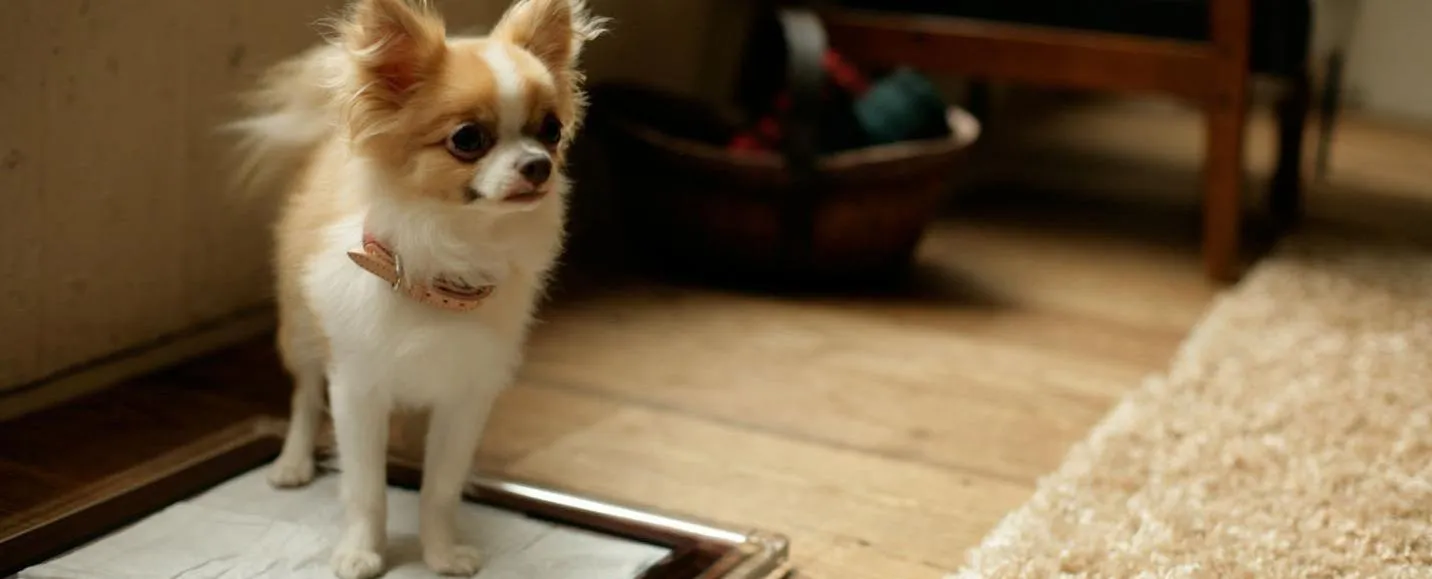
Place it in a quiet corner away from food bowls and dog beds (such as the bathroom or balcony), which aligns with the dog's instinct to "separate toileting from eating/resting".
Keep the position fixed and avoid frequent moves:
Once a location is determined, try not to change it often. Dogs rely on "fixed toileting spots"; moving it may cause them to refuse due to unfamiliarity.
Establish Associations Through Positive Training
Guide and reward your dog to help them understand that "eliminating on the pee pad = getting benefits":
Catch elimination signals and guide in time
Observe your dog's pre-elimination signs (such as sniffing the ground, circling, or tucking their tail), and immediately carry them to the potty pad. If the dog eliminates on the pad, reward them immediately with treats, praise, or petting (e.g., "Good job!" + a small piece of dried meat) to link "pee pad" with "pleasure".
Tip: Rewards should be given within 10 seconds after elimination; otherwise, the dog won't remember the association.
Avoid negative stimuli
Never scold or hit your dog after they eliminate (whether on or off the pad)! If they eliminate outside, simply clean it up quietly and guide them to the pad earlier next time. Scolding or hitting will make the dog think "eliminating itself is wrong" and may even make them afraid to eliminate in front of you, worsening the problem of inappropriate urination.

Maintain the "Attractiveness" of the Pee Pad
Make the dog feel that "the pee pad is a clean and comfortable place":
Replace it promptly
Urine residue causes odors, and dogs dislike dirt. It's recommended to replace the pad at least 1-2 times a day; for puppies or senior dogs, increase the frequency (e.g., check after meals or waking up).
Clean the surrounding area regularly
If there are lingering odors from previous inappropriate urination around the pad (even if invisible to the eye), the dog may be drawn to eliminate there. Use pet-specific deodorizers (with enzymatic ingredients) to clean and eliminate residual odors.
Summary
The core logic is: Choose a pee pad that suits the dog's senses and instincts, and establish the association of "pee pad = toileting + pleasure" through positive rewards. Puppies usually adapt within 1-2 weeks, while adult dogs may take longer (especially those with a habit of inappropriate urination). Patience and consistency are key. With the right methods, most dogs will gradually accept and get used to using pee pads.