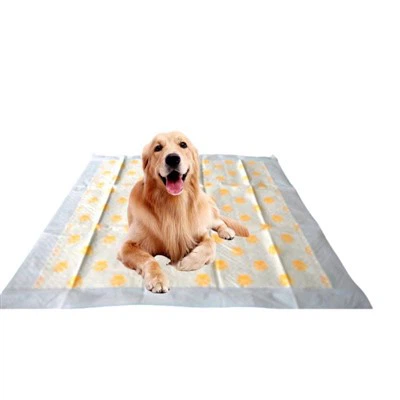
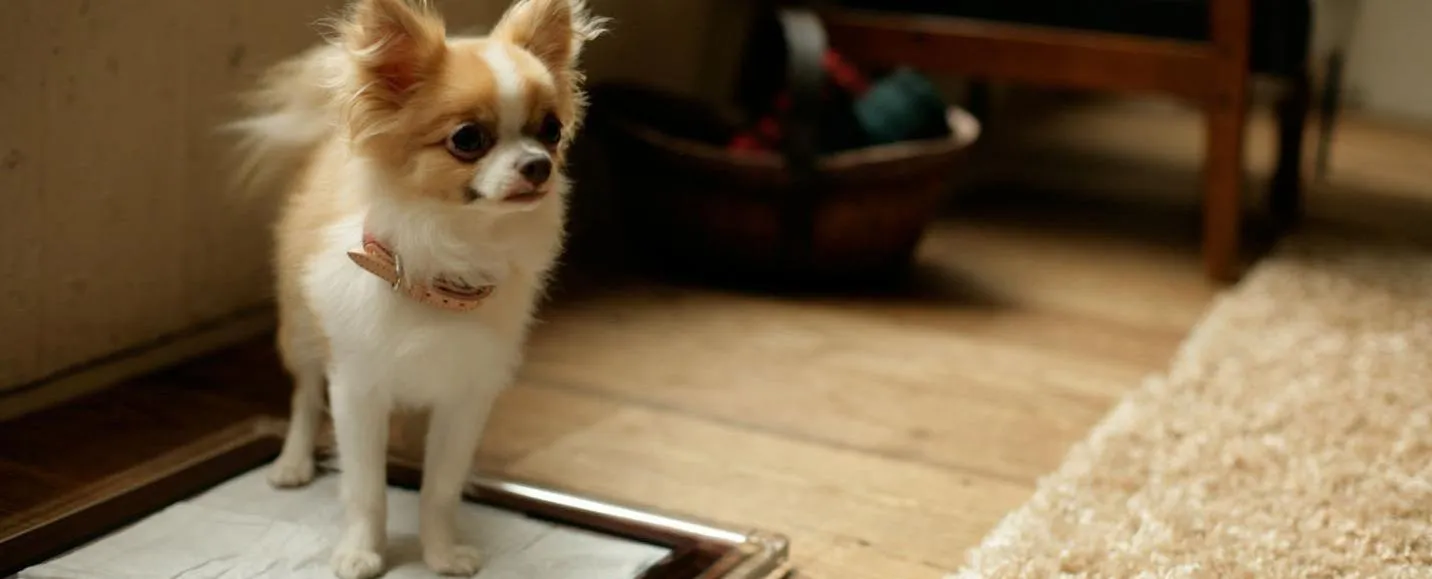
Dogs' refusal to use disposable dog pads is mainly related to their instinctive habits, sensory sensitivity, and environmental adaptation. The specific reasons can be analyzed from the following aspects:
Sensory Rejection
Dogs have a much better sense of smell and touch than humans, and certain characteristics of disposable dog pads may cause them to have an instinctive dislike:
- Discomfort from smell:
Some disposable dog pads contain chemical fragrances, fluorescent agents, or industrial adhesives, whose odors are too stimulating for dogs (humans may not notice it, but dogs can smell strong unpleasant odors). They will refuse to approach because they "hate this smell".
- Discomfort from touch:
The surface of low-quality disposable dog pads may be rough, stiff, or sticky (more obvious when wet), making dogs feel "uncomfortable" when stepping on them. Puppies or elderly dogs, in particular, are more sensitive to the touch of objects they come into contact with and may avoid the pads for this reason.

Conflict with Instincts and Habits
Dogs have some instincts related to "toileting" in their nature. If the use of disposable dog pads goes against these instincts, they may be rejected:
- "Separation of toileting from eating/resting":
Dogs naturally do not like to excrete where they eat or sleep. If the disposable dog pad is placed near their food bowl or kennel, they will feel "this is not a toileting area" and choose another place instead.
- "Preference for familiar environments":
If you suddenly change the brand or size of the disposable dog pad, or frequently move its position, dogs will resist due to "environmental unfamiliarity". Puppies in the training period, in particular, are more dependent on a "fixed toileting spot".
- "Dislike of uncleanliness":
Dogs are actually very clean. If the disposable dog pad is not replaced in time, they will feel "this place is too dirty" and refuse to use it again.
Insufficient Training or Improper Methods
Even if the disposable dog pad itself is fine, dogs may not know that "the disposable dog pad is a toileting area" without proper guidance:
- Failure to establish a conditioned reflex:
Puppies need repeated guidance (such as being carried to the disposable dog pad before urination and rewarded with snacks after success) to associate "disposable dog pad" with "excretion". If this step is omitted, they may regard the disposable dog pad as an ordinary mat.
- Interference from negative memories:
If a dog has been scolded or beaten while on the disposable dog pad (for example, the owner gets angry after excretion), it will make them mistakenly think that "approaching the disposable dog pad means being punished", leading to fear and resistance.

Summary
The essence of dogs' refusal to use disposable dog pads is that "the pads do not meet their sensory preferences, go against their instincts, or have not been properly guided". To solve this problem, targeted adjustments are needed: choose odorless and comfortable disposable dog pads, place them in a fixed position away from food bowls and kennels, replace them in time to keep them clean, and let dogs accept that "disposable dog pad = toileting area" through positive training.