Although both disposable adult bed pads and disposable dog pee pads are absorbent hygiene products, they differ significantly in design, performance, and standards due to the differences in their users and scenario requirements. The specific differences are as follows:
Different Core Design Goals
- Disposable adult bed pads
With "enhancing user comfort and maintaining dignity" as the core, they need to take into account skin sensitivity and user experience. For example, for adults who are bedridden for a long time, they need to reduce pressure sores caused by friction and have excellent air permeability.
- Disposable dog toilet pads:
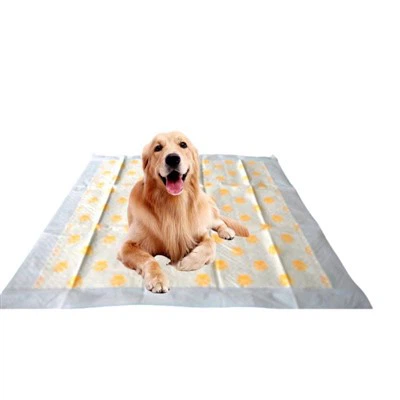
With "efficient absorption, convenient cleaning and adaptation to pet behaviors" as the core, they pay more attention to pets' excretion habits (such as large urine volume and possible multiple excretions) and environmental protection (such as preventing leakage caused by pets' scratching). The design focuses more on durability and leak-proof performance, and the requirement for "skin feel" is lower than that of adult products.
Different Materials and Safety Standards
| Dimension | Disposable Adult Bed Pads | Disposable Dog Toilet Pads |
|---|---|---|
| Contact Materials | The surface of adult bed pads is generally made of super soft and skin friendly non-woven fabric or cotton soft material to reduce irritation to sensitive skin; The water absorbing layer material is food grade polymer material, ensuring no harmful substances (such as fluorescent agents, formaldehyde) and complying with national medical device or hygiene product standards (such as GB 15979). | The surface layer is mostly ordinary non-woven fabric (focusing on wear resistance and scratch resistance), and the water-absorbing layer is mainly high-efficiency water-absorbing resin, which has lower requirements for "skin-friendliness"; some products may be made of recycled materials (such as PCR materials). Although they meet environmental protection requirements, they do not strictly restrict chemical residues like adult products (because pet skin has higher tolerance and the risk of licking is lower). |
| Safety Certifications | They need to pass human skin irritation tests and microbial index tests (such as total bacteria and fungi). Some high-end products also need to meet EU CE, US FDA and other medical-grade standards. | They mainly meet the basic safety standards for pet products (such as no heavy metals, sharp substances, or toxic dyes). They do not need to pass human skin safety tests, and pay more attention to scratch resistance and bite resistance (to prevent pets from accidentally eating fragments). |
Different Absorption Performance
- Disposable adult bed pads
The content of fluff pulp and polymer in adult bed pads is relatively high, which can absorb dilute urine and thick menstrual blood, with large absorption capacity and fast drying speed;

- Disposable dog toilet pads:
The content of fluff pulp in dog toilet pads is relatively low, which is mainly used to absorb urine. The absorption capacity varies with the size of pets, and there are many specifications. Because the single urine volume of dogs of different sizes varies greatly, for example, the single urine volume of Teddy is 50-150ml, while that of Labrador is 200-500ml. If the absorption capacity is too small, it will leak; if it is too large, it will lead to too long use time, easy to smell, and waste of pee pads. Its drying speed is lower than that of human bed pads, because pets will not stay on the dog pads for a long time, so there is no need to increase too much cost.
Different Sizes and Scene Adaptations
- Size specifications
The specifications and sizes of adult bed pads are relatively large, and most of them are 60*90cm or larger.
The specifications and sizes of dog pee pads are relatively small, and most of them are 60*90cm or smaller.
- Scene adaptation
Adult bed pads are mostly used in family care, hospitals, nursing homes and other scenes, and need to be compatible with beds, wheelchairs and other facilities;
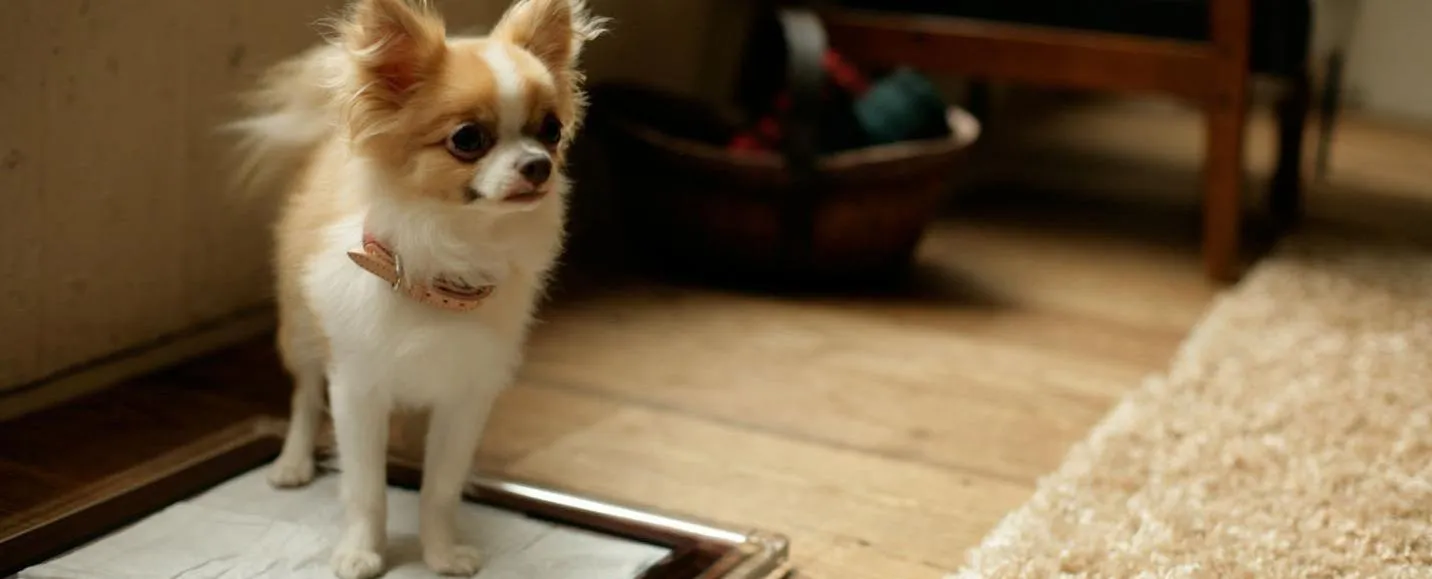
Dog pee pads are mostly used in pet nests, cages, and vehicle-mounted scenes. Some products will be added "inducers" (to attract pets to excrete at fixed points), which is a design that will never be used in adult products.
Different Hygienic Standards
- Adult bed pads belong to medical or civil hygiene products, which need to meet strict hygiene requirements (such as no fluorescent agents, no formaldehyde), and have high microbial limit standards (such as total bacterial count ≤ 200cfu/g);
- Dog pee pads have lower hygiene standards, mainly requiring "no peculiar smell and no obvious pollutants", and the microbial limit is loose.

Summary
The core difference between the two is that adult bed pads focus on "human safety, comfort, and dignity" with strict standards; dog pee pads focus on "efficient absorption, environmental protection, and adaptation to pet behaviors" with more emphasis on practicality. Therefore, they cannot be replaced by each other (for example, using dog pee pads for adults may cause skin problems due to material irritation; using adult bed pads for pets may cost more).
However, as a supplier of disposable pet pee pads for major supermarkets in Europe and America, Tianjin Yiyi's disposable dog pads have safety standards, hygiene standards, and raw material quality very close to human-use standards, with excellent quality.