1. Urination Volume of Dogs by Body Type and Dog Pad Recommendations
(1) Small Dogs (Weight < 10kg)
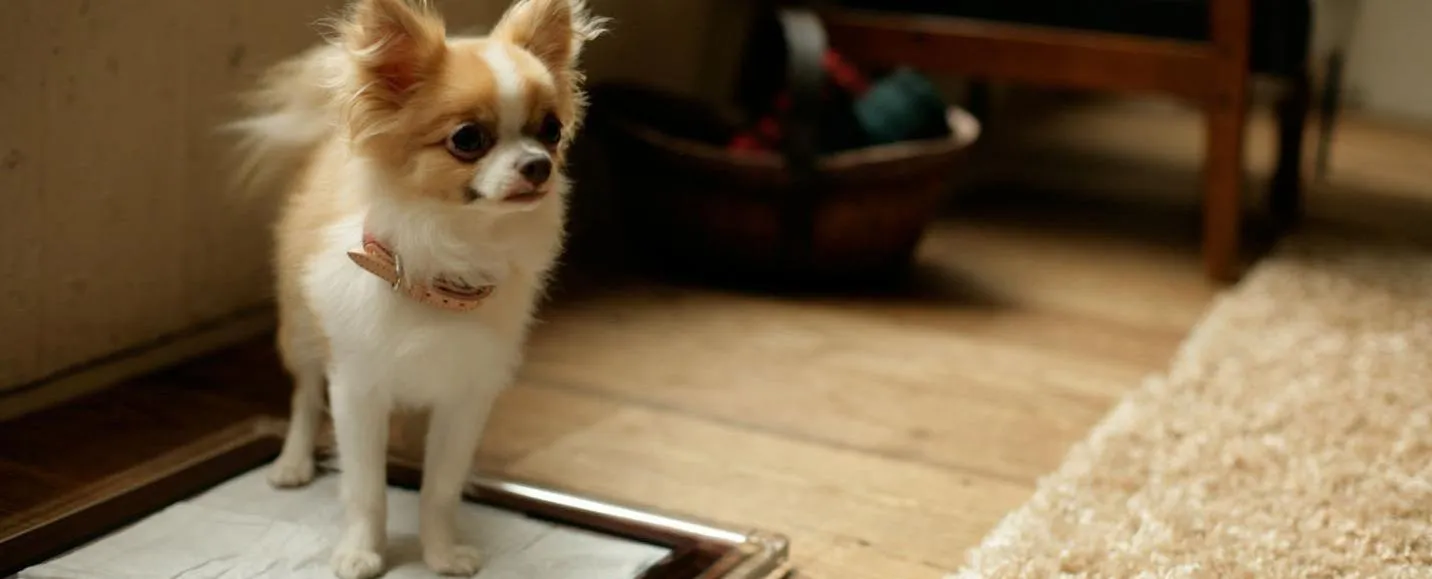
Single urination volume: Approximately 30-50ml, daily total: 100-200ml.
Examples: Chihuahua, Pomeranian, Teddy.
Dog pad absorption capacity recommendations:
Daily use: Choose pads with 300-500ml absorption capacity (replace 1-2 times daily).
Outdoor use/long-term alone time: Opt for 500-800ml absorption capacity (e.g., thickened or multi-layered pads to prevent leakage).

(2) Medium Dogs (Weight 10-25kg)
Single urination volume: Approximately 50-100ml, daily total: 200-400ml.
Examples: Shiba Inu, Border Collie, Beagle.
Dog pad absorption capacity recommendations:
Daily use: Choose pads with 500-1000ml absorption capacity (replace 1 time daily or split into morning/evening changes).
Special scenarios (e.g., rainy days preventing outdoor walks): Select 1000-1500ml absorption capacity in larger, thicker sizes.

(3) Large Dogs (Weight 25-50kg)
Single urination volume: Approximately 100-200ml, daily total: 400-800ml.
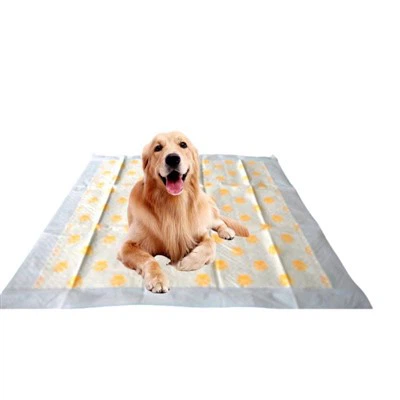
Examples: Golden Retriever, Labrador, Siberian Husky.
Pet pad absorption capacity recommendations:
Daily use: Choose large pads with 1000-2000ml absorption capacity (replace 1 time daily; pair with a pad tray to prevent side leakage).
Senior dogs/sick dogs (prone to frequent urination): Opt for over 2000ml absorption capacity or washable waterproof pads.

(4) Extra-Large Dogs (Weight > 50kg)
Single urination volume: Approximately 200ml+, daily total: 800-1500ml.
Examples: Tibetan Mastiff, Great Dane, Saint Bernard.
Dog pad absorption capacity recommendations:
Prioritize 2000-3000ml absorption capacity super-absorbent pads to ensure quick absorption and leak prevention.

2. Other Factors Influencing Urination Volume and Coping Strategies
(1) Age
Puppies: Immature bladder, frequent urination (6-8 times daily), small single volume (10-30ml).
Recommendation: Use 200-500ml absorption capacity small pads, replace every 2-3 hours.
Senior dogs: Possible frequent urination or increased volume due to reduced kidney function or diabetes.
Recommendation: Choose high-absorption + quick-lock pads (e.g., with absorbent bead layers) and increase replacement frequency.
(2) Water Intake and Health Status
Increased water intake: Higher volume in hot weather, post-exercise, or when eating wet food/canned diets.
Recommendation: Temporarily upgrade pad absorption (e.g., medium dogs from 500ml to 1000ml) or increase pad coverage area.
Urinary system diseases (e.g., cystitis, kidney disease): May cause abnormal volume increases/decreases; seek veterinary care immediately.
Temporary solution: Use leak-proof pads + waterproof base films to prevent floor damage from seepage.
(3) Usage Scenarios
Long-term indoor use: Select pads by body type and pair with pad fixers or fences to prevent chewing/movement.
Outdoor carry: Choose portable small pads (e.g., 30cm×40cm) with 300-500ml absorption capacity for easy replacement.
3. Additional Key Metrics for Urine Pad Selection
(1) Size Matching
Small dogs: 30cm×40cm – 45cm×60cm
Medium dogs: 60cm×90cm – 70cm×100cm
Large dogs: 90cm×120cm+
(2) Structural Design
Prioritize multi-layered structures (top quick-infiltration layer + middle SAP layer + bottom waterproof film) to avoid backflow and side leakage.
(3) Material Safety
Choose fluorescent-free, low-dust materials, especially for puppies or dogs with sensitive constitutions.
4. Summary Recommendations
| Dog Type | Daily Urine Volume (ml) | Recommended Absorption Capacity (ml) | Replacement Frequency |
|---|---|---|---|
| Small Dogs | 100-200 | 300-800 | 1-2 times/day |
| Medium Dogs | 200-400 | 500-1500 | 1 time/day (morning/evening) |
| Large Dogs | 400-800 | 1000-2000 | 1 time/day |
| Extra-Large Dogs | 800-1500 | 2000-3000 | 1 time/day (morning) |
Note: For first-time use, purchase small trial packs to observe urination habits and pad absorption, then adjust specifications. If sudden urine volume changes occur (e.g., drastic increases/decreases), consult a veterinarian promptly to 排查 (investigate) health issues.