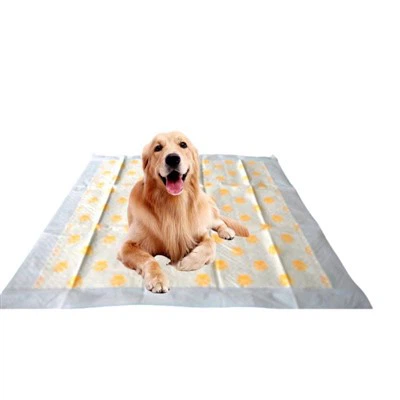
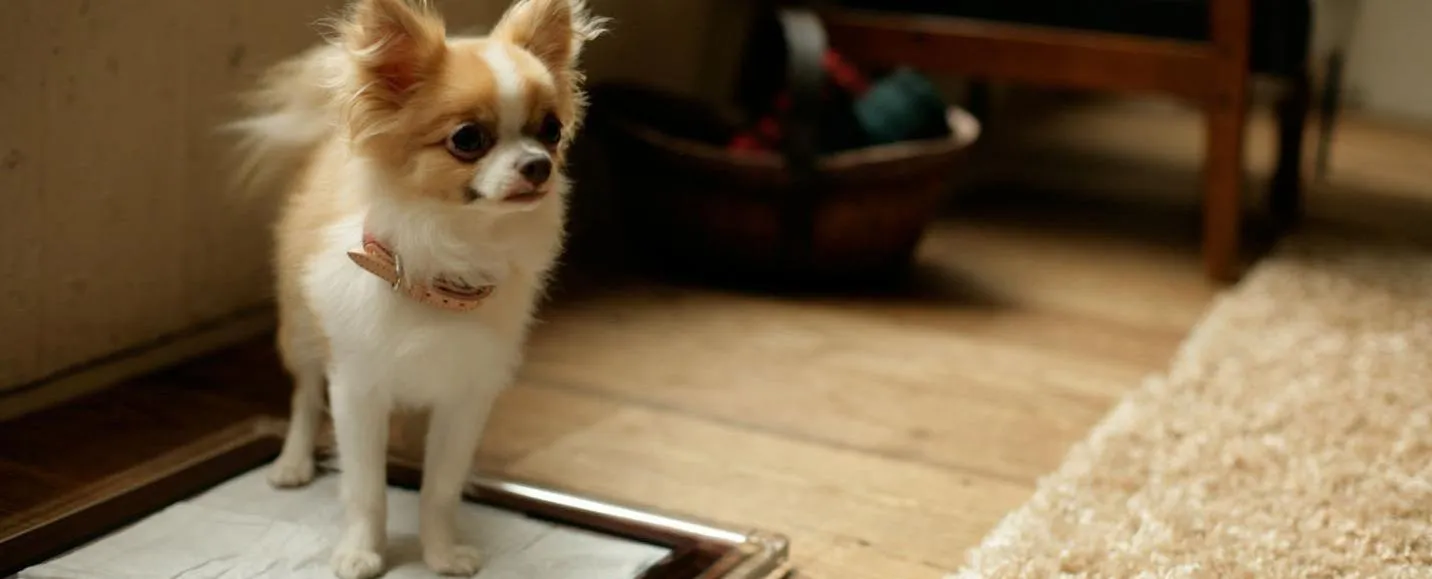

Used Together with Litter Boxes
Lay the cat pee pad on the inner bottom of the litter box. Urine leaking to the bottom of the box will be quickly absorbed and locked by the pad. This prevents urine from seeping and sticking directly to the litter box base, reducing the work of scrubbing the litter box. When placed around the outside of the litter box, the pads catch scattered cat litter tracked out on the cat's paws and residual urine on its paws, keeping the floor around the litter box clean.
Sanitary Care for Senior Cats and Sick Cats after Surgery
- Elderly cats with arthritis struggle to jump into litter boxes. Pee pads can be laid in their regular activity areas to create simple toilet spots.
- For cats suffering from urinary incontinence, kidney disease or cystitis, disposable pee pads catch accidental urine leaks at any time and protect furniture and floors from stains.
- For cats wearing an Elizabethan collar after neutering or other surgeries, place cat pee pads inside their beds to stop urine from contaminating wounds. It also allows easy observation of urine color and volume to assist health monitoring.

Travel and Vet Visits
Cats may feel the urge to relieve themselves due to environmental stress during trips. Line cat carriers, airline crates and car interiors with cat pee pads for emergency toileting. The pads rapidly absorb urine, prevent leaks that soil carriers and vehicles, and cut lingering odors. When staying at hotels, lay pee pads inside crates as temporary toilet areas. Once soiled, simply remove and discard the pad with no washing required. Lightweight and foldable, they are easy to carry when travelling.
Cat Birthing
Lay multiple layers of cat pee pads at the bottom of the queen's nesting area to catch amniotic fluid released during labour, postpartum lochia and urine from newborn kittens. When a pad gets wet and contaminated, remove the top layer without moving the mother cat or her newborns. This keeps the nesting area continuously dry and clean, lowering risks of bacterial growth and hypothermia in kittens. It also allows direct observation of discharges and kitten excretion to track the health of newborns in a timely manner.

Lining the Bottom of Cat Cages
Kittens have poor bladder control and cannot hold urine well, so they may urinate randomly inside cages. Cat pee pads laid at the cage bottom quickly absorb urine and lock in liquid to stop leaks. They maintain a dry and clean cage environment, prevent urine from soaking the cage floor and soiling kitten fur, and reduce bacteria and odour buildup. The whole pad can be taken out and replaced once dirty for easy, efficient cleaning, ideal for caged kitten rearing.
Other Uses for Cat Pee Pads
When a cat vomits suddenly, cat pee pads rapidly soak up vomit, stopping liquid from spreading, limiting stain spread and residual odour for easy cleanup. During pet grooming sessions, lay cat pee pads on grooming tables to quickly absorb rinse water, keep the table dry and prevent slipping.