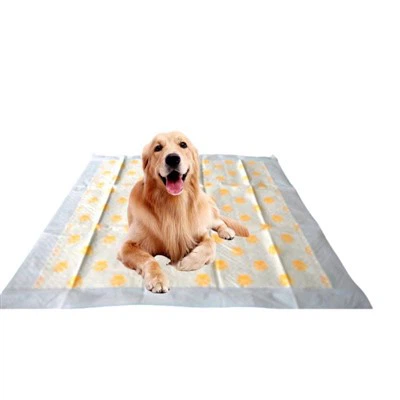

Medical-grade underpads differ significantly from ordinary ones in terms of purpose, performance, and standards. The following is a comparative analysis across multiple dimensions:
I. Core Definitions and Application Differences
| Type | Definition | Main Applications |
|---|---|---|
| Medical-grade underpads | Products meeting medical device standards, certified through strict testing, and specially designed for medical care scenarios. | Medical-grade care in hospitals, nursing homes, post-surgical care, and for incontinent patients. |
| Ordinary underpads | Daily care products that do not meet medical-grade standards, catering to general nursing needs. | Daily home care for incontinence, pet care, and mild nursing scenarios. |
II. Key Performance Comparisons
1. Materials and Safety
Materials: Made of medical-grade non-woven fabric, superabsorbent polymer (SAP), breathable bottom film, etc., free of harmful substances like fluorescent agents and formaldehyde to avoid skin allergies.
Safety: Must pass microbial testing (e.g., total bacterial count ≤200CFU/g) and skin irritation tests, complying with medical-grade standards such as Hygienic Standards for Disposable Hygiene Products (GB 15979).
Materials: Use non-woven fabrics meeting daily product standards.
Safety: Only meet general daily product standards, without toxicological or allergy testing for medical scenarios.
2. Absorption and Leak Prevention
Medical-grade underpads:
Absorption speed, water-locking capacity, and leak-proof design are determined by the customized absorbent pad solution.
Ordinary underpads:
Absorption speed, water-locking capacity, and leak-proof design are determined by the customized absorbent pad solution, with water absorption performance basically consistent with that of medical-grade underpads.
3. Breathability and Comfort
Medical-grade underpads:
The bottom film uses breathable PE film with a breathability of ≥1000g/24h per square meter, reducing stuffiness and the risk of pressure sores.
Thinner (usually ≤5mm), fitting the body curve, suitable for long-term bedridden patients.
Ordinary underpads:
Determined by the customized solution.
4. Antibacterial and Hygiene Standards
Medical-grade underpads:
- Some pads add antibacterial agents (e.g., silver ions, nano-zinc oxide) with an antibacterial rate ≥99%, inhibiting the growth of bacteria (e.g., E. coli, Staphylococcus aureus).
- The production environment must comply with GMP (Good Manufacturing Practice) standards, using sterile packaging for direct use after opening.
Ordinary underpads:
- No antibacterial treatment or only added with antibacterial agents, with an antibacterial rate of ≥99% against common bacteria such as E. coli.
- Packaging and production environment meet daily product standards.

III. Certification and Regulatory Differences
Medical-grade underpads:
- Require a Medical Device Registration Certificate issued by the National Medical Products Administration (NMPA), classified as class I or II medical devices.
- The production process is regulated by the Medical Device Good Manufacturing Practice, with each batch tested for physical, chemical, and biological properties.
Ordinary underpads:
- Only need to comply with the Hygienic Standards for Disposable Hygiene Products (GB 15979), falling under daily necessities with lower regulatory thresholds.
- No medical device registration is required, and products can be launched after self-inspection by the enterprise or third-party testing.
IV. Application Scenario Comparisons
| Scenario | Medical-grade underpads | Ordinary underpads |
|---|---|---|
| Medical scenarios | Post-surgical care, intensive care, long-term use for incontinent patients. | Not suitable (may cause infection or nursing risks). |
| Daily home care | Suitable for elderly people, paralyzed patients, and others requiring professional care. | Suitable for mild incontinence, short-term care for pregnant women, or pet pads. |
| Mobile scenarios | Can be used in wheelchairs, ambulances, etc., with strong leak prevention. | Only suitable for home use, prone to side leakage during movement. |
V. Price and Purchase Channels
Medical-grade underpads:
- Higher price due to material costs, certification fees, and medical-grade service premiums.
- Purchase channels: Hospital pharmacies, medical device stores, and formal e-commerce platforms (check the registration certificate number).
Ordinary underpads:
- Lower price, suitable for daily low-cost needs.
- Purchase channels: Supermarkets, convenience stores, and ordinary e-commerce platforms (no professional qualifications required).
VI. How to Choose?
Prioritize medical-grade underpads when:
The patient is in the post-surgical recovery period, long-term bedridden, severely incontinent, or has skin sensitivity issues.
The usage scenario is a medical environment (e.g., hospitals, nursing homes) requiring infection control standards.
Choose ordinary underpads when:
For mild incontinence, short-term care (e.g., short-term use after childbirth for pregnant women), pet pads, or temporary emergencies.

Conclusion
Medical-grade underpads focus on "medical safety and professional care," far exceeding ordinary underpads in materials, absorbency, and antibacterial properties, making them suitable for scenarios requiring strict hygiene standards. Ordinary underpads, however, offer cost-effectiveness to meet basic daily needs.