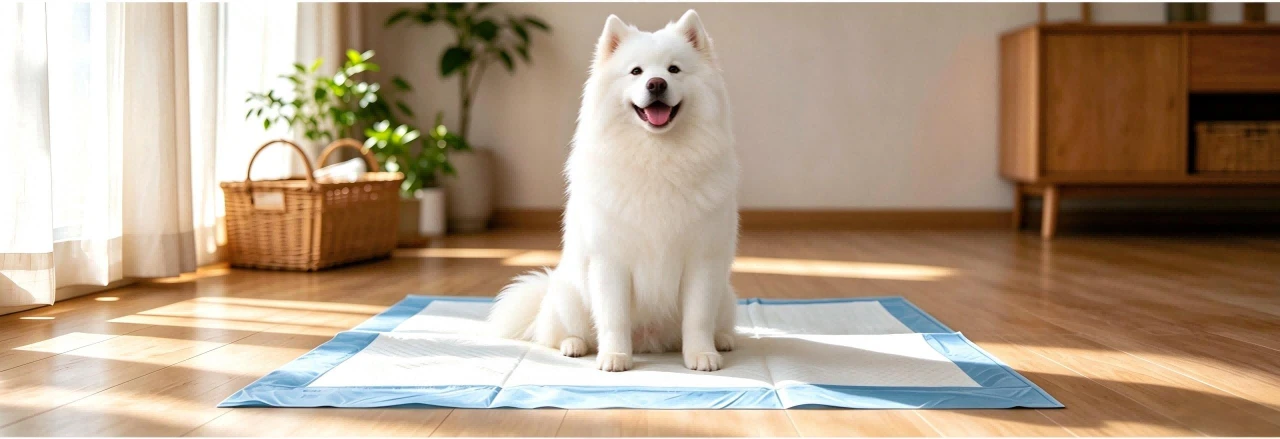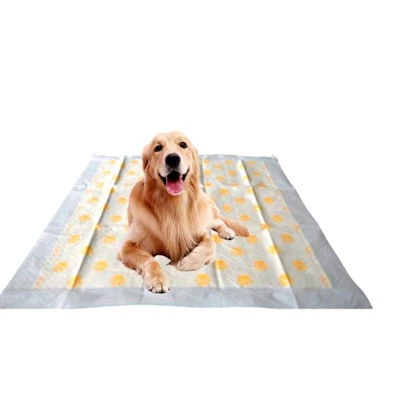
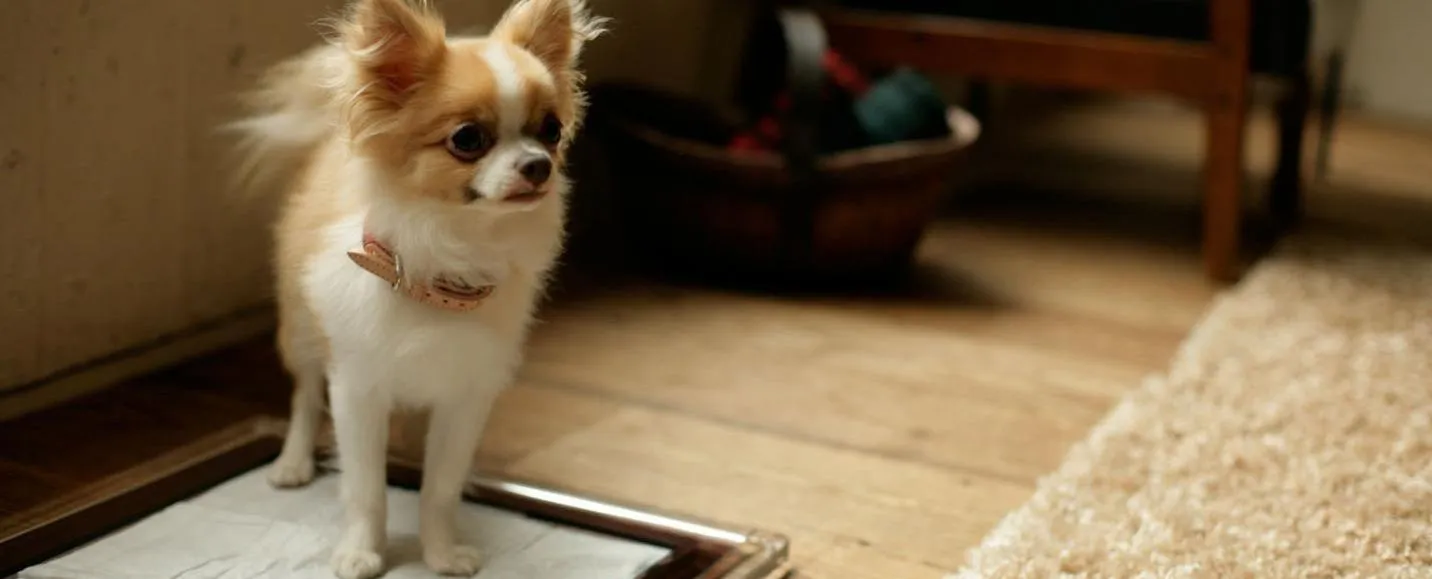

The top-sheet dryness of pet pee pads directly determines the actual performance of the product, with impacts covering pet skin health, application scenarios, odor management and end-user experience.
From the perspective of skin contact for pets, urine contains irritants such as urea. If the pad surface remains wet for an extended period and stays in continuous contact with pet skin, microbes tend to multiply under suitable temperature conditions, raising the risks of skin redness, dermatitis and other issues. Puppies, senior pets, post-surgery pets and incontinent pets lie on pee pads for long hours with prolonged exposure, making them more vulnerable to moisture-related problems. Superior top-sheet dryness cuts continuous contact between skin and urine to mitigate such risks.
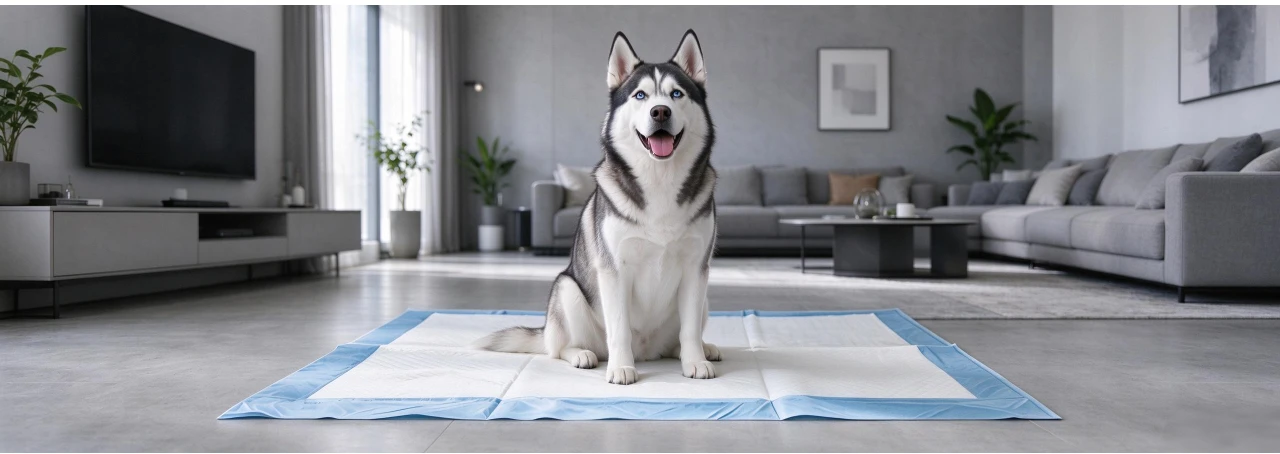
In terms of household hygiene, pee pads with poor anti-wicking performance allow liquid to backflow to the surface once stepped on by pets. As pets move around, urine sticks to their paws and gets transferred onto floors, beds, carpets and other surfaces, causing secondary contamination and extra cleaning work. Potty pads with consistent dry top-sheets lock liquid inside the absorbent core and prevent urine tracking.
For pet potty training, pets naturally favor dry contact surfaces. Damp, sticky pads reduce pets' willingness to relieve themselves on them, which may lead to accidents outside the designated area. A dry top-sheet matches pets' tactile preference and helps sustain proper spot-toilet habits.
Regarding odor control, urine exposed on the top sheet has ample contact with air, which accelerates decomposition and ammonia release, resulting in stronger unpleasant smells. When liquid quickly permeates downward and gets absorbed and immobilized by superabsorbent polymers in the core, urine is sealed beneath the top sheet with reduced air contact, helping suppress odor emission.