
Feline incontinence means cats cannot control urination and defecation voluntarily, resulting in unprompted urine leakage and stool seepage. It is commonly caused by organ degeneration in senior cats, neurological disorders, urinary tract diseases, kidney disease, spinal injuries, or limited mobility during post-operative recovery. Below are tips for properly caring for incontinent cats:
Identify the Cause of Feline Incontinence
The first priority is to visit a vet promptly to find the root cause of incontinence. Care measures can only ease the trouble caused by leakage and cannot cure the underlying illness. If you notice your cat frequently leaking urine or defecating randomly, take it to a veterinary clinic for examinations such as urine tests and B-scans to identify the cause. Follow the veterinarian's advice for medication and rehabilitation. Keep monitoring your cat's water intake and excretion frequency, attend regular follow-up visits, and adjust care routines according to its physical condition.
Optimize Your Cat's Living Environment
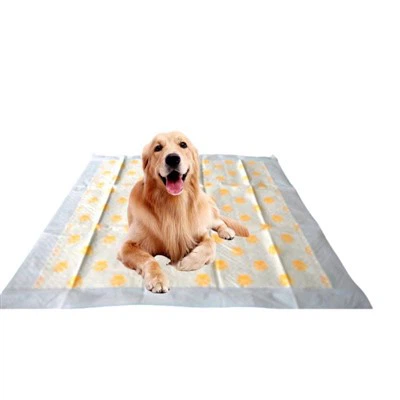
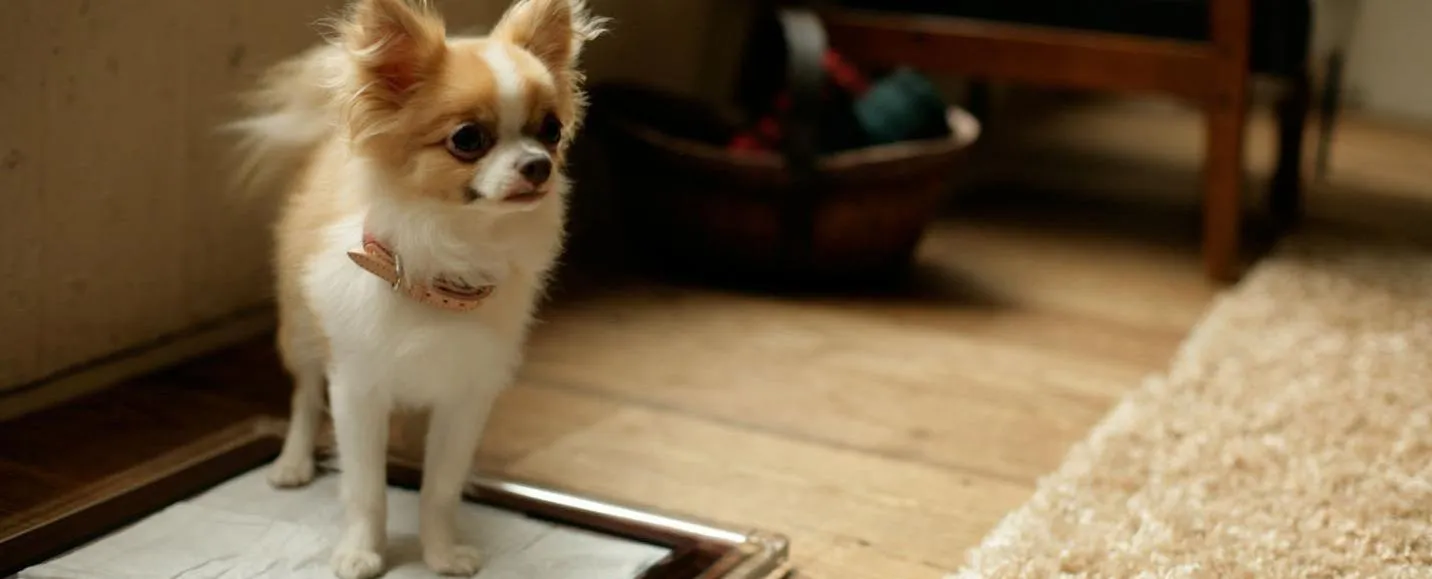
Improve the home environment to reduce cleaning workloads. Incontinent cats may not make it to the litter box in time. Place low-entry litter boxes in multiple locations around your home for easy access. Lay pet pads on areas where your cat often rests to quickly absorb leaked urine and protect furniture. Keep the space well-ventilated and dry. Damp conditions easily breed bacteria, triggering feline skin inflammation and unpleasant indoor odors.

Use Cat Diapers
For cats with frequent urine and stool leakage, cat diapers are recommended. Tianjin Yiyi offers custom disposable cat diapers. The absorbent core is made of high-absorbency SAP and quick-absorbing fluff pulp, featuring fast absorption, anti-backflow and effective leak protection. The well-designed tail opening fits feline anatomy, and the elastic waistband allows adjustable tightness so the cat can move and lie down freely. The diapers pass multiple safety tests and are free of formaldehyde, fluorescent agents and heavy metals. They are suitable for long-term care of senior incontinent cats and post-surgery cats.
Proper wearing and timely replacement of diapers are critical. Inspect the diaper every 3–6 hours. Replace it immediately once saturated or leaking. During each change, wipe the cat's lower abdomen and private fur with pet-safe wet wipes to remove residues. Thoroughly dry the fur and allow the skin to air out for a while to prevent urine scald and eczema caused by prolonged confinement.
Manage Diet Properly
Diet management cannot be overlooked. Choose suitable cat food as recommended by your vet; prescription diets are required for cats suffering from kidney disease or cystitis. Provide constant access to clean fresh water and remove spoiled food in a timely manner to lower metabolic stress. Try to keep the living environment stable. Stress triggered by frequent relocation or loud noise can worsen incontinence symptoms.