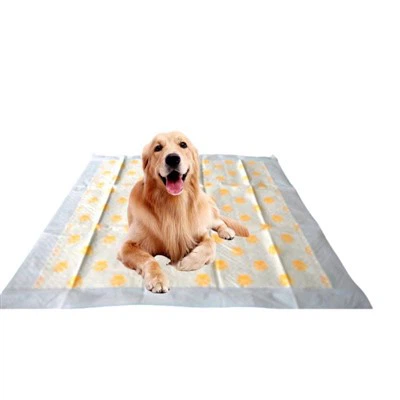
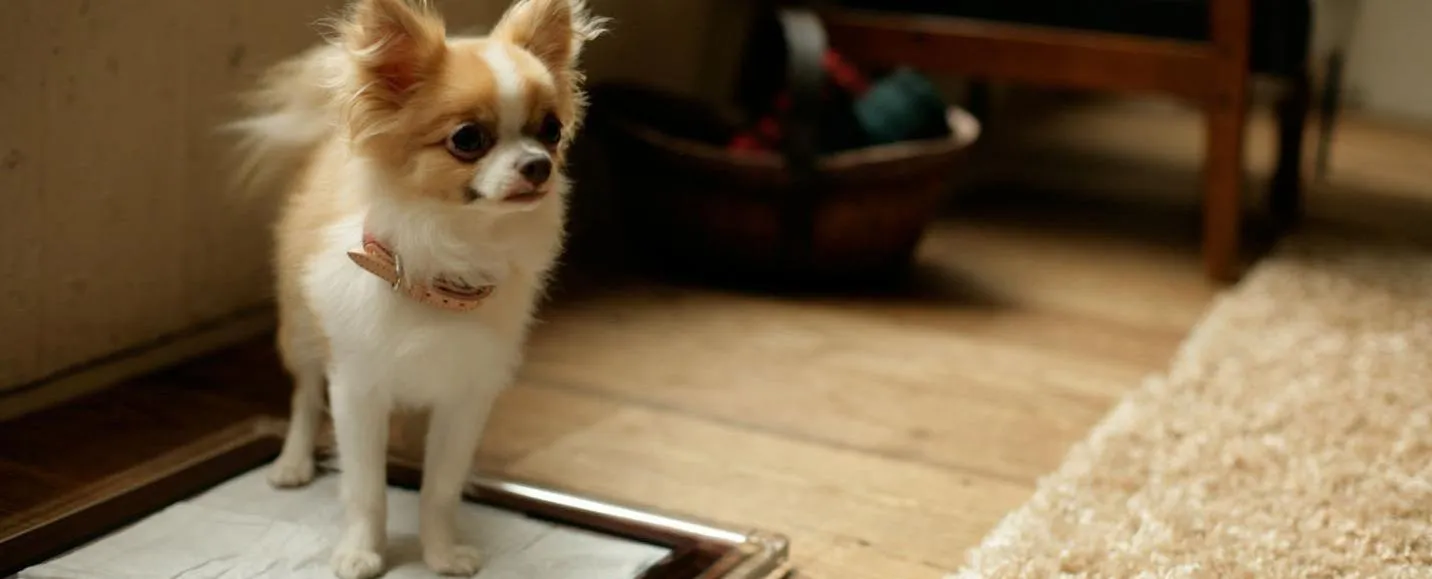
The core of training a dog to use pee pads lies in "guidance + reward". The key is to catch its urination signals and use positive feedback to help it form a conditioned reflex. The specific process can be carried out in the following 5 steps:
Prepare in Advance: Choose the Right Pee Pad and Fix Its Placement
Select a large-sized pee pad, and prioritize styles with inducer (inducer that attract dogs to urinate).
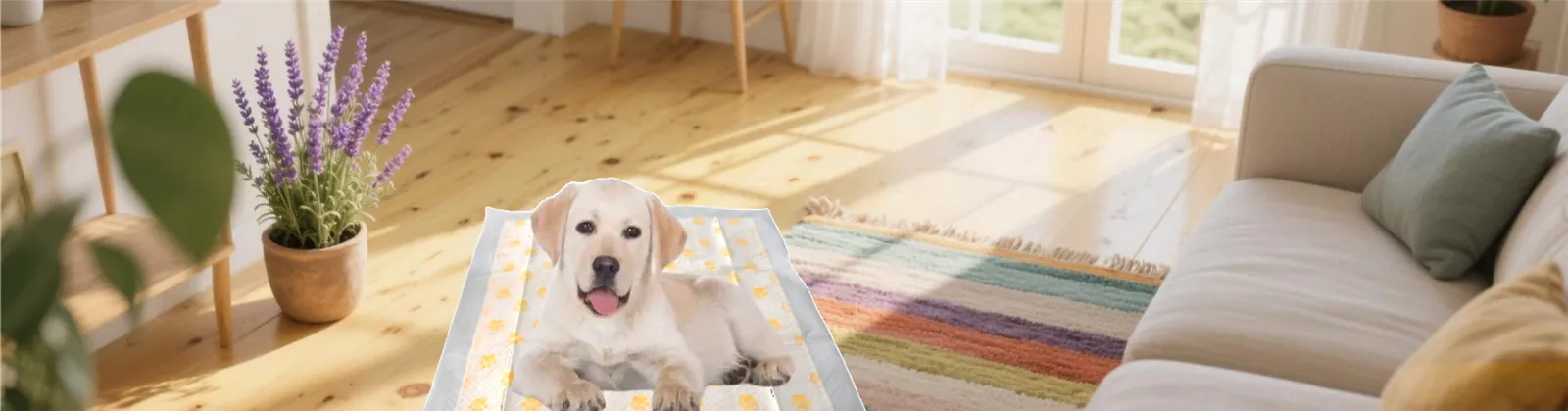
Fix the position of the pee pad. It is recommended to place it near the area where the dog often activities (such as the corner of the living room), and keep it away from the dog's food bowl, water bowl and kennel. Dogs will not excrete in places where they eat or sleep, so avoid moving the pee pad frequently to prevent confusion for the dog.
Observe Urination Signals: Seize the Golden Opportunity for Training
Dogs usually show obvious signals before urinating, such as lowering their heads to sniff the ground, circling in place, tucking their tails (puppies), and frequently lifting their legs (male dogs). When you notice these behaviors, gently guide the dog to the pee pad immediately. Do not shout loudly or chase the dog, as this may make it nervous and hold back urine.
Set fixed guidance times. For example, take the dog to the pee pad proactively 15-30 minutes after meals, after it wakes up, and after it drinks water. This helps the dog get familiar with the idea that "it's time to excrete on the pee pad during these periods".

Guide and Reward in Time: Strengthen Correct Behaviors
If the dog urinates smoothly on the pee pad, immediately praise it in a gentle tone (such as "Good job!" "You're so good!") after it finishes. At the same time, give it its favorite snacks (such as small dried meat) or play with it for 1-2 minutes. This helps the dog clearly understand that "urinating on the pee pad = getting benefits".
Rewards must be given in a timely manner, specifically within 10 seconds after the dog finishes urinating. Delayed rewards will make the dog unable to figure out "which behavior is being rewarded". For instance, if you give snacks to the dog after it runs away from the pee pad, it may mistakenly think that "running away" is the correct behavior.
Handle Mistakes: No Scolding, Only Guidance
If you find the dog excreting outside the pee pad, do not scold it, yell at it, or press its nose against the urine. This will make the dog afraid of excreting and even hide to urinate secretly.
The correct approach is: quietly clean up the urine (use disinfectant wipes to clean it thoroughly to avoid residual odor attracting the dog to excrete in the same place again). Next time, observe the dog's signals earlier and guide it to the pee pad sooner. If you catch the dog in the middle of excreting outside the pad, you can call its name softly and slowly guide it to the pee pad. If it finishes the rest of the excretion on the pee pad, you can still give it a small reward.
Repeat with Patience: Consolidate the Habit
Training cannot be achieved overnight. Small dogs (such as Teddy, Bichon Frise) may form the habit in 1-2 weeks, while medium to large-sized dogs or adult dogs (with previous random urination habits) may take 1-2 months. Insist on guiding and rewarding the dog every day, and do not give up halfway.
If the dog can go to the pee pad to excrete independently for 3-5 consecutive days, you can gradually reduce the frequency of guidance (for example, no longer carry it to the pad proactively). However, you still need to reward the dog after it excretes correctly until it can find the pee pad independently without any reminders.