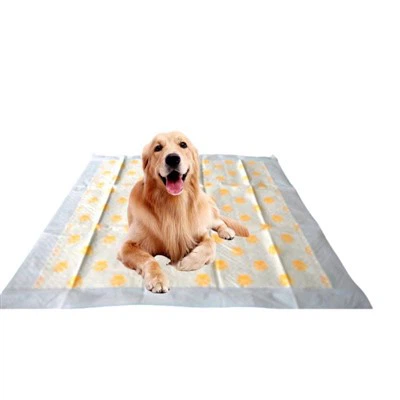
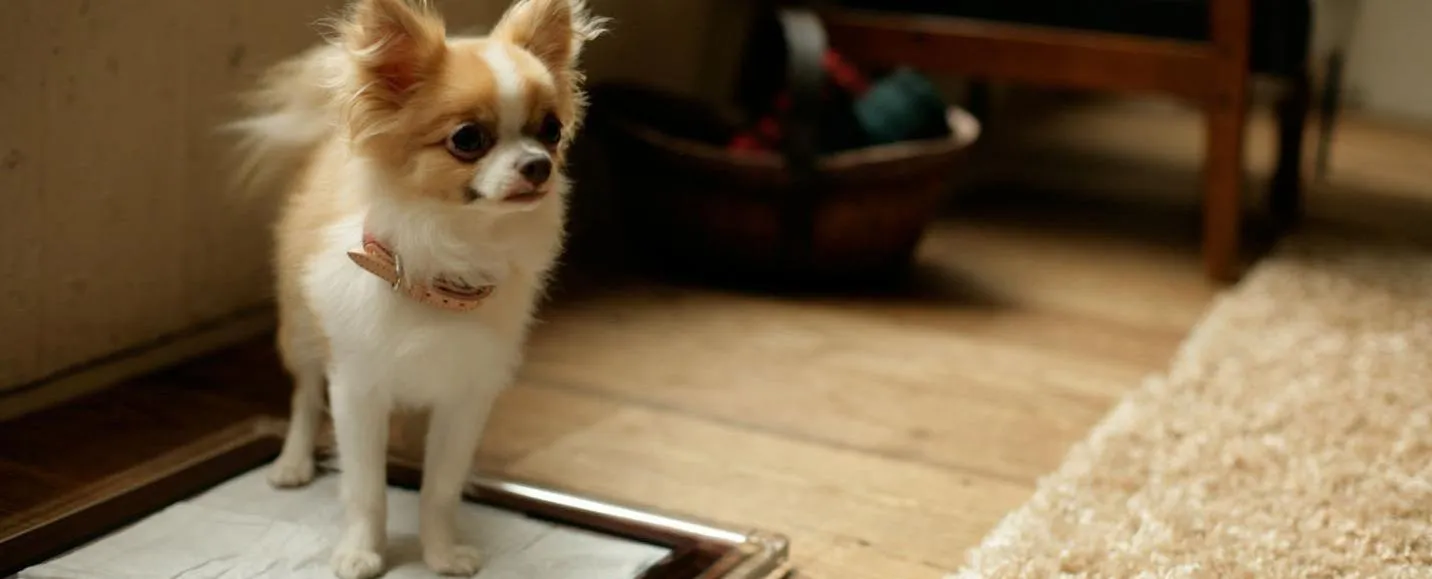
When dogs exhibit the behavior of tearing and biting potty pads, the core solution is to first identify the cause and then provide targeted guidance. The following is a step-by-step solution:
Investigate the Cause of Biting and Tearing
Some chewing behaviors are signals of your dog's needs; addressing underlying problems first can reduce chewing frequency:
- Poor pee pad experience: If the pad material is too hard, your dog may chew it because it's "uncomfortable".
Solution: Replace with a pad that better fits your dog's needs.
- Insufficient exercise/excess energy: Puppies or active breeds (e.g., Border Collies, Corgis) with little daily walking or interaction time will release excess energy by chewing, and pee pads become targets as they are "easy to tear and chewable".
Solution: Add 1-2 outdoor walks daily (20-30 minutes each) or prepare food-dispensing balls/noise-making toys at home. Let your dog consume energy through play to reduce focus on pee pads.
- Puppies in teething period (around 4-5 months old): Teething puppies have itchy gums and like to explore things by chewing; dog pee pads become exploration objects as they are "soft and easy to tear".
Solution: Provide teething toys for your dog.

Behavioral Guidance: Correct Chewing with "Substitution + Positive Rewards"
If chewing persists after eliminating triggers, train your dog to form a conditioned reflex of "no chewing on pee pads = rewards". Avoid beating or scolding (which may make your dog fear "using pee pads"):
- Intervene in advance: Stop and redirect attention before chewingWhen your dog approaches the pad and shows "chewing precursors" (e.g., lowering the head to sniff, pawing), immediately attract its attention with a clear sound (e.g., "Hey!") and throw its favorite toy (e.g., rubber chew bones, plush toys) to guide it to chew the toy instead of the pad.
- Reinforce correct behavior: Use rewards to consolidate "no chewing on pads"If your dog voluntarily relieves itself on the pad and doesn't chew it afterward, immediately reward with snacks (e.g., freeze-dried treats, small meat pieces) and pet its head while saying "Good job!" - let it associate "using the pad + no chewing" with "gaining benefits".Even if the dog just passes by the pad without chewing, occasionally give a small reward to gradually help it form the awareness that "the pad is a 'safe area' and cannot be destroyed".
- Set up "physical protection": Temporarily reduce chewing opportunities. For puppies or dogs with stubborn chewing habits, place the pad in a pee pad holder to set up physical protection and prevent chewing.

Note: Avoid These Mistakes
- Do not "beat/scold + hold the pad in front of the dog to reprimand" after chewing: This will make the dog mistakenly think "using the pad leads to scolding", and it may even refuse to relieve itself on the pad and instead pee randomly.
- Do not take away the pad directly as "punishment": If the dog hasn't formed the habit of fixed-point relief, taking away the pad may make it unable to find the "correct relief area" and worsen random peeing.
Through "eliminating triggers + positive guidance", most dogs will gradually reduce pet pad chewing within 2-3 weeks. The key is to let the dog feel that "using the pad is comfortable and safe, and not chewing it brings more benefits" - this is more effective than simple restraint.